
Running a grooming salon means you live with your tools every single day. Electric clippers sit right in the middle of it. When they perform well, cuts look crisp and clients walk out smiling. When they act up? Jobs stretch out. Tempers rise. Money slips away. Most groomers bump into the same old troubles again and again. Noisy buzz that sets teeth on edge. Blades that lose sharpness fast. Batteries that quit halfway through. Tools that weigh your arm down. Gear that falls apart too soon. These headaches pop up in shops all over.
The upside? Smarter clippers knock these problems out. Let’s go through the five biggest complaints salons deal with when it comes to hair clippers. We’ll check out straightforward ways to fix them so the workday flows better.
Loud clippers stir up trouble. The sound climbs past 70-80 dB. That’s plenty loud to make dogs whimper, cats dart off, and some owners wince. In a packed salon the steady drone builds up quick. Pets tense up. Groomers raise their voices. Clients gripe about the edgy atmosphere.
Lots of older or low-cost units shake hard and roar. Groomers face longer appointments since animals refuse to settle. One pro told me a noisy pair turned a basic paw trim into a 45-minute tug-of-war. The pet trembled. The owner got irritated. The next slot started late.
Quieter motors flip the mood. Many newer ones keep noise way under 50 dB. It sounds more like soft background talk than a power tool. Pets calm down sooner. Groomers stay focused. The shop feels relaxed. Reviews start mentioning the “peaceful” feel more and more.
Blades lose their edge sooner than most folks expect. Low-grade steel or weak sharpening makes them yank hair instead of gliding through. You end up with choppy lines, scratchy skin, and extra strokes that wear everyone out.
Groomers run into this constantly. After 20-30 busy sessions, plenty of basic blades start tugging. Pros either slow way down to dodge cuts or replace blades often. That eats cash on new parts.
Ceramic blades hang on to sharpness much longer. They slice cleaner and build less heat, so they don’t burn tender spots. Adjustable lengths plus extra guards give you options without endless swaps. Salons that move to stronger blades see fewer fixes and clients who rave about the smooth result.
Few things kill your rhythm like a clipper going dead in the middle of a thick-coated golden. Corded versions chain you to the wall. Early cordless ones last maybe 45-60 minutes before they need juice—exactly when the morning rush hits hard.
Groomers scramble for backups or plug in mid-job. That slows the whole line. Some weak batteries drop off quick after a few months. You end up swapping or waiting around.
Longer runtimes fix the mess. Models with 1800mAh or bigger batteries deliver 120-180 minutes on one charge. A 3-4 hour recharge through USB gets them ready again fast. Li-ion holds steady power longer—no big fade after a year. Groomers who switch say they power through full days without chasing outlets.
Clippers that feel too heavy make your wrists ache by lunch. Many pros tackle 8-12 pets in a shift. A chunky tool piles on strain. Hands shake. Lines get wobbly. Over months you risk real wear-and-tear trouble.
Regular models often hit 300-400g. After hours that extra mass drags you down.
Lighter ones around 200-250g sit easy in your hand. They cut fatigue so you stay sharp longer. No cord means no tug or tangle either. Shops see staff hold up better. Cut quality stays even through marathon days.
Cheap shells crack. Motors overheat and quit. Pieces loosen after normal wear. Salons hate pouring money into tools that die in 6-12 months or need big fixes.
Busy shops chew up weak builds in no time. One slip or daily bumps, and the clipper starts buzzing loose or losing oomph.
Tough plastic bodies and dependable insides last way longer. A 1-year warranty with return or replacement backing gives real comfort. Units made for pro-level work—7000-8000 RPM motors, sturdy frames—keep running strong day after day.
| Pain Point | Common Issue | Practical Fix | Benefit to Salon |
|---|---|---|---|
| Noise | 70+ dB buzz stresses pets | Low-noise motor (<50 dB) | Calmer animals, faster sessions |
| Blade Wear | Dull after 20-30 uses | Ceramic blades, adjustable settings | Cleaner cuts, fewer replacements |
| Battery Life | Dies mid-cut, short runtime | 1800mAh+ Li-ion, 120-180 min runtime | Full-day power, no interruptions |
| Weight | Heavy, causes fatigue | ~210g lightweight design | Less strain, consistent precision |
| Durability | Breaks early, poor build | Tough plastic, 1-year warranty | Longer life, lower replacement cost |
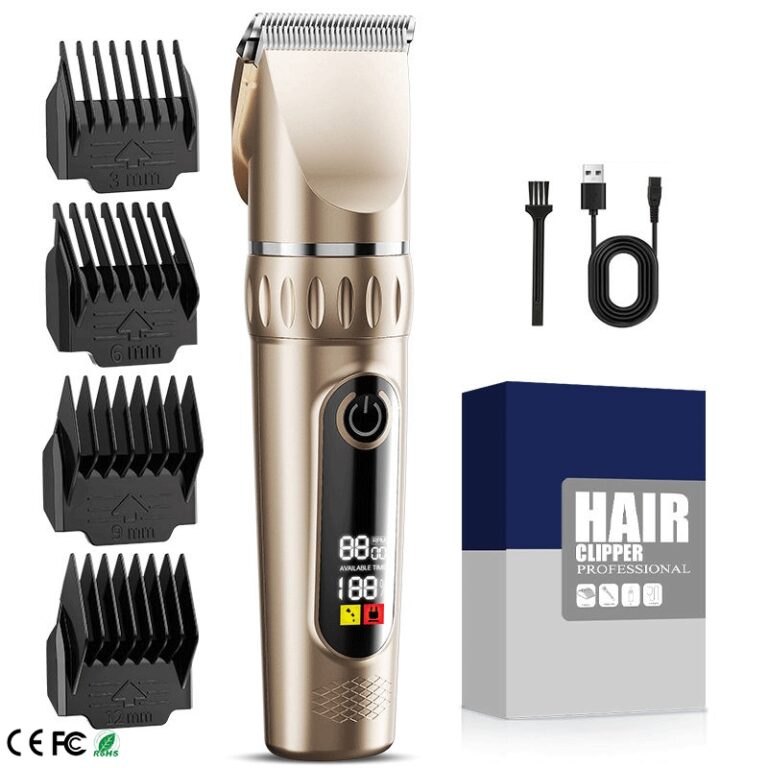
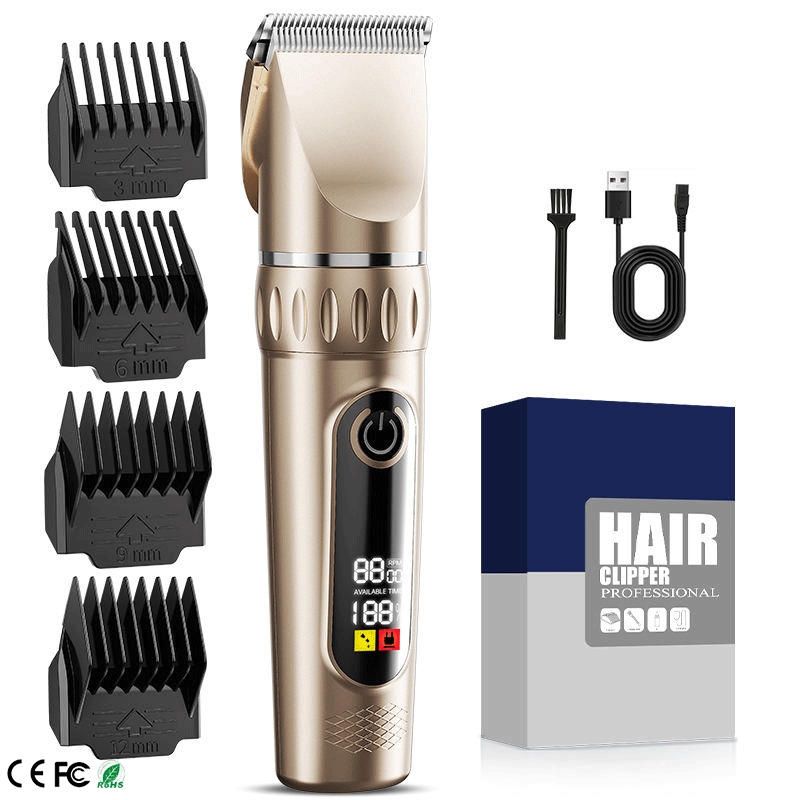
The SK-L26 from SUOKE Electric handles these headaches well. This professional cordless hair clippers model packs an 1800mAh Li-ion battery that runs 121-180 minutes. Ceramic blades stay sharp through heavy use and offer multiple speed settings plus adjustable cutting lengths. Weighing only 210g in a gold plastic housing, it sits light and comfy for long stretches. The low-noise motor keeps pets settled. 7000/8000 RPM gives steady cutting power without getting too hot. An LED display shows battery level clearly. Built for home or salon jobs, it comes with a 1-year warranty and return/replacement support.
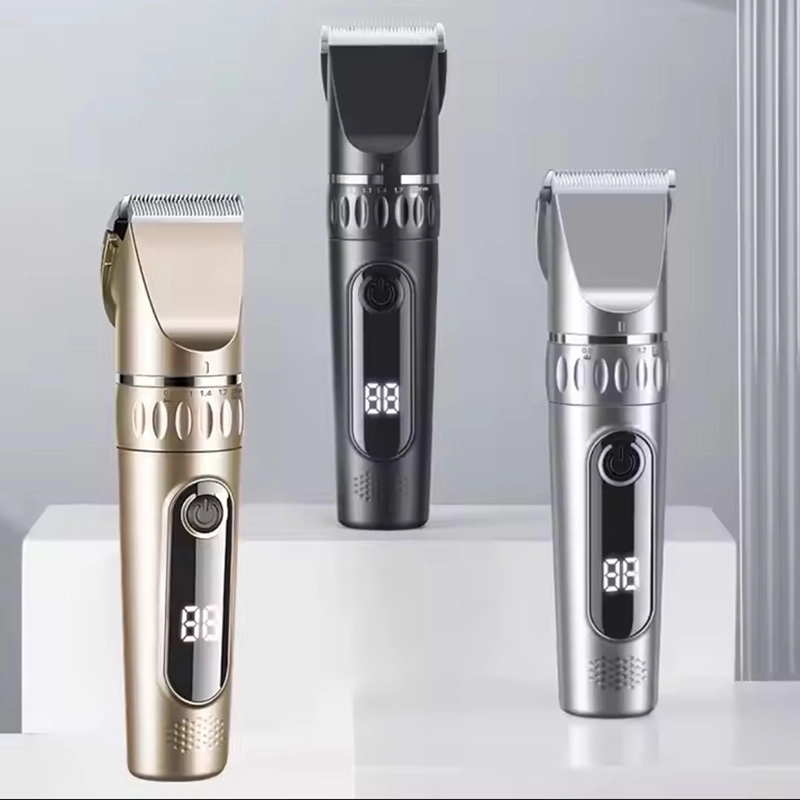
SUOKE Electric stands as a steady global supplier of solid home appliances. They ship grooming tools and other products to folks all over the world. They put real effort into dependable performance and good service. OEM/ODM choices let businesses tweak things to fit. Consistent quality checks and straight talk help shops carry gear that works and lasts.
These five sore spots—loud noise, quick-dulling blades, short battery life, heavy feel, and weak durability—hit grooming salons square in the chest. They drag out work. They frustrate teams. They push clients away. Better-built hair clippers turn it all around. Appointments move smoother. Pets stay relaxed. Groomers finish strong. Profits stick because tools don’t quit early. In a tough market the right clipper does more than trim hair. It keeps the whole shop running clean and steady.
What makes noise such a big deal with electric hair clippers in salons?
Loud hair clippers over 70 dB rattle pets and throw off the shop mood. Low-noise versions under 50 dB let animals chill out. Trims go quicker. Everyone notices the calmer space.
How often do blades actually need swapping in pro grooming?
Standard blades dull after 20-30 tough jobs and start pulling hair. Ceramic ones hold sharpness longer. They cut cleaner. You buy fewer replacements.
Why do cordless hair clippers sometimes quit halfway through a cut?
Weak batteries—often just 45-60 minutes—and cells that fade fast cause it. Bigger 1800mAh Li-ion packs give over two hours steady. No more stopping to recharge.
Does lighter weight really help on long grooming days?
Yeah—clippers near 210g ease wrist tiredness compared to heavier models. Groomers keep steady hands longer. They avoid strain. Quality stays high even late in the shift.
How can salons dodge clippers that break way too soon?
Pick tough builds, solid warranties like one year, and motors made for daily grind. Reliable ones take drops and hard use without falling apart. You save cash on constant new buys.