Fades have taken over men’s grooming these days. Walk into any busy barber shop, and you’ll see guys asking for that clean, seamless blend from short sides to longer top. It’s sharp, versatile, and works on just about every hair type. But what really makes or breaks a fade haircut? The guard sizes on your barber hair clipper.
Get those wrong, and the transition looks choppy. Nail them, and you’ve got a smooth gradient that turns heads. As a pro barber or someone stocking up for wholesale, understanding these sizes isn’t just helpful—it’s essential for delivering top-notch results every time.
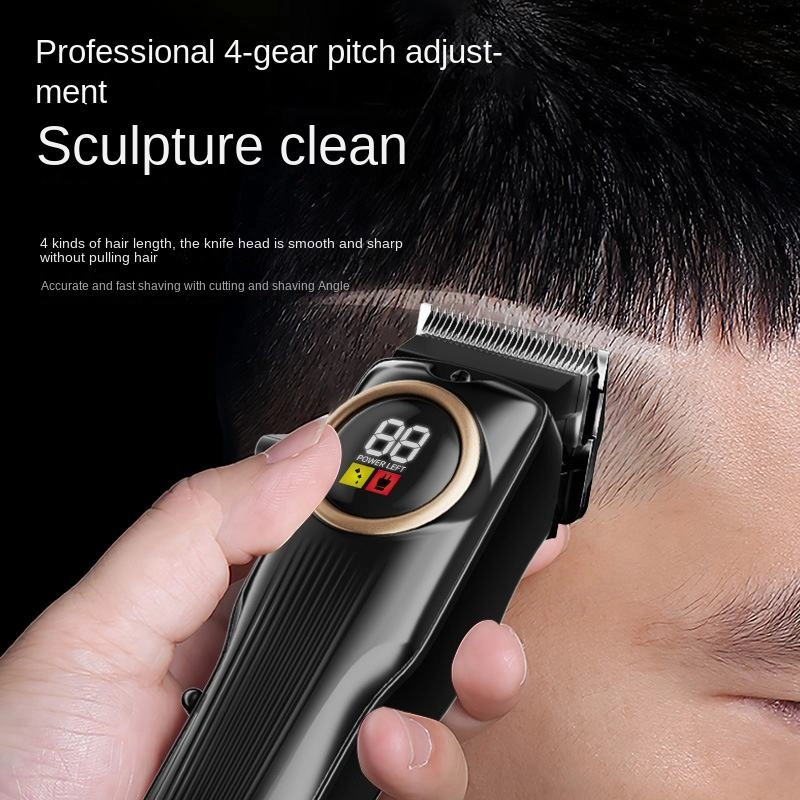
A fade boils down to one main idea: a slow shift in length. Hair starts really short down low. Sometimes it’s skin tight. Then it eases up into longer strands higher on the head. No hard lines anywhere. Just a nice, even flow.
Barbers handle a few common kinds every day:
-Low Fade: It begins right above the ears. Curves gently around the back of the head. This one’s low-key. Easy to keep up. Perfect for guys who want a clean, work-friendly vibe without too much edge.
-Mid Fade: This starts around the temples. Or halfway up the sides. It creates more punch. Really stands out on thicker hair.
-High Fade: It kicks off higher up. Often close to the top of the head. Bold and striking. Great match for pompadours or messy crops.
The real trick? It’s not just the clipper, though a solid barber hair clipper makes a big difference. It’s how you stack those guards. That builds the perfect blend.
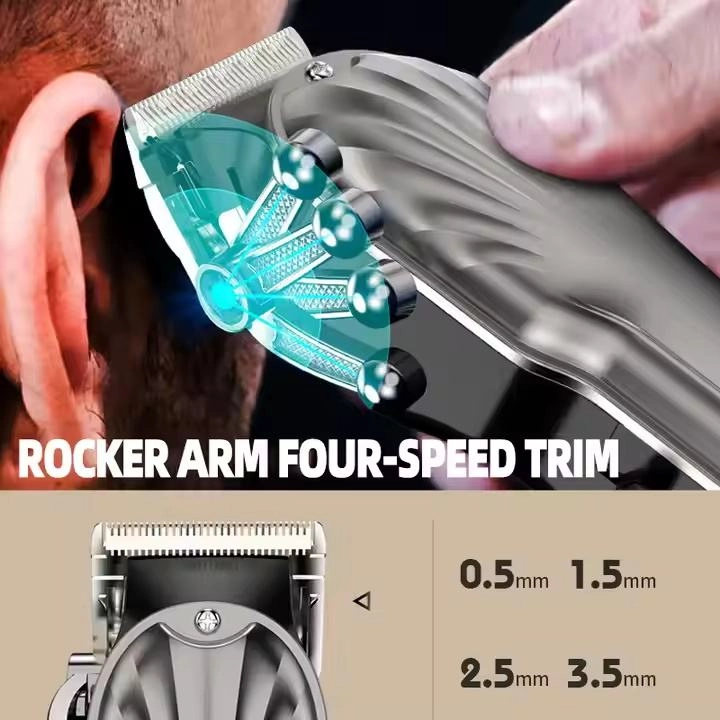
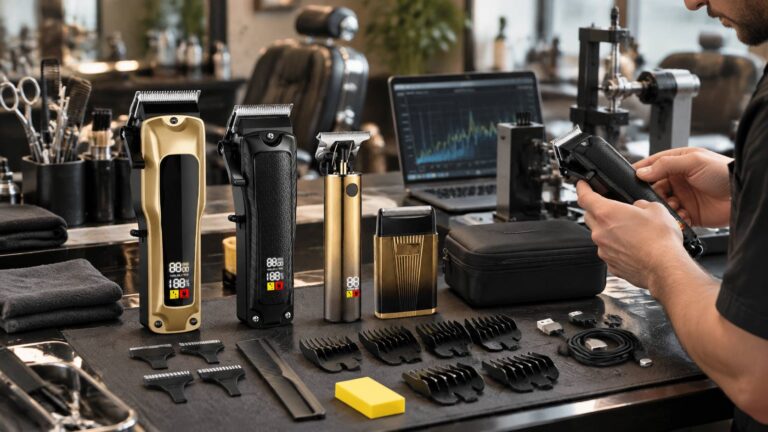
Most pro hair clippers come with guards numbered from 0 to 8. Smaller numbers cut shorter. Here’s a simple rundown of the lengths they leave (with the lever closed—these are pretty standard across the board):
Guard Number Length (Inches) Length (mm) Common Use in Fades
#0 (no guard or zero-gapped) 1/16″ 1.5mm Bald/skin base, crisp lines at the very bottom
#0.5 1/16″ – 3/32″ 2-3mm Kickoff for super tight low fades
#1 1/8″ 3mm Main lower area, short yet visible
#1.5 3/16″ 5mm Middle blend for softer shifts
#2 1/4″ 6mm Higher mid part, brings in some thickness
#3 3/8″ 10mm Top edge of the fade, links to longer hair
#4 1/2″ 13mm Not often for fades; better for even cuts or tops
Flip the lever open on your hair clipper. That adds roughly 1/16 inch. Handy for tweaking those in-between lengths without changing guards.
Imagine this scene: A customer hops in the chair. He wants a fresh low fade. You grab the clipper with no guard or a #0. Start at the neck. Flick up gently. That sets a super clean base. Especially pops on dark hair where the skin shows through.
Next, snap on the #0.5. Work right above that fresh line. Keep passes short. Move upward. This wipes out any rough spots. It kicks off that subtle shadow look. In a full shop, I’ve watched barbers skip ahead here. They end up with uneven patches. Slow down. It’s that solid bottom that brings folks back week after week.
From my own chair: I have this one guy with thick, coarse hair. It grows quick. Sticking with #0.5 closed keeps his low fade sharp for longer. He doesn’t need touch-ups as often.
Right here, the fade starts to shine. The #1 hits a nice middle ground. Short enough to define the sides. But it leaves a bit to cover the scalp on fairer skin tones.
For a mid fade, lay down your guide with #1 closed near the temples. Go up a little. Then open the lever. That softens into #1.5 smoothly.
A tip I’ve learned over time: Curly or wavy hair loves #1.5 open. It acts as a cushion. Stops those awkward steps when you move to #2. Customers dig it. The shift feels effortless, not stiff.
One hectic Saturday, a wholesaler dropped in. He was checking out clippers. He pointed out how #1 guards on good models cut clean. No tugging. That’s huge for shops cutting all day long.
Higher up, you get more room. #2 adds some weight. Ideal for tying into styled or scissor-cut tops.
Run #2 closed on the upper sides. Use scooping strokes. That fades out lines from lower down. Then bring in #3. It bridges to the top ridge nicely.
High fades really pop in this zone. You go tight low. Build gradually to #3. The top stands out strong—buzz or longer, doesn’t matter.
Quick notes for the shop:
-Overlap each section by about half an inch. Keeps things seamless.
-Flick out at the end of passes. Avoids marks.
-Mirror check both sides. Heads aren’t perfectly even.
-Thick hair? Go easy and slow. Thin stuff needs light touch.
I’ve cut tons of these over the years. This one dude came in once. His home fade was messed up—big jump from #2 to the top. I smoothed it with careful #3 passes. He was thrilled. Tipped well. That’s what smart guard choices do.
Every barber knows it starts with practice. Try on dummies first. Then move to real customers.
-Play with the lever. Closed for tighter work. Open for those half steps.
-Run a comb through between passes. Lifts hair even.
-Think about density. Sparse hair? Bump up one guard.
-Keep blades sharp and clean. Dull ones pull and wreck the blend.
If you’re buying wholesale, look for clippers with tough guards. Magnetic ones hold strong through heavy use.
About SUOKE Electric
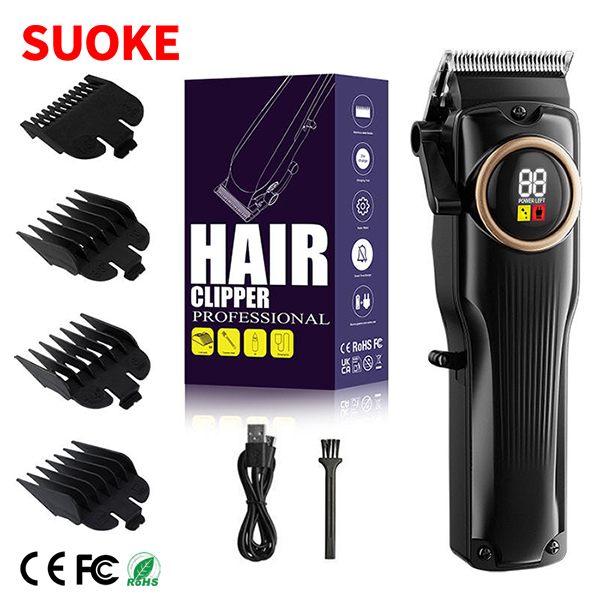
https://www.yiwusuoke.com/SUOKE Electric has built a solid name as a go-to supplier. They deliver top-notch home appliance products and services to folks worldwide. They specialize in cordless hair clippers and trimmers built for barber shops and salons. Strong motors. Batteries that last. Blades that cut precise. If you’re a distributor hunting bulk deals or a shop owner wanting reliable gear, SUOKE has smart choices. These tools help barbers nail impressive cuts shift after shift.
Getting the hang of hair clipper guard sizes can take a regular fade haircut and make it stand out. Clients talk about it. It’s that gentle shift in length—from super short #0 at the base to fuller #3 up high—that keeps chairs filled. Try these out on different heads. Watch how hair types react. You’ll notice the improvement fast. Grab your clipper next time. Focus on those guards. They shape the entire style.
What hair clipper guard size works best to start a low fade haircut? Most low fades begin with #0 or #0.5 down low. That gives a neat base. Not full bald right off. And it makes blending up to #1 feel smooth and easy.
How do I pick guards for a mid fade on thick hair? Thick hair calls for steady layers. Begin with #1 closed in the center. Then ease into #1.5 and #2 open. This builds body. Avoids heavy clumps. Results in a mid fade that stays looking good longer.
Can bigger guards like #3 mess up a fade haircut? No way, if you use them smart. #3 shines for the upper blend in most fades. It links short sides to longer tops. Adds the right amount for a tidy end without flattening the drop.
What’s different about guards for high fades versus low ones? High fades stay tight higher up—often #0 to #2 farther along—for that bold punch. Low fades keep shorter guards lower, like #1 to #3. This stays understated. Simpler to grow out too.
How many guards do pros really need on barber hair clippers? The essentials are #0 to #3. Throw in halves like #1.5. That handles almost all fades. Pair with a good lever. You’re ready for clean blends on anybody who walks in.