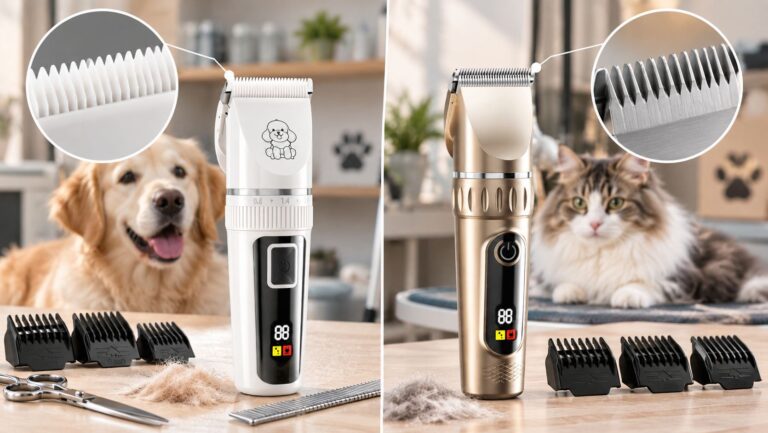

When it comes to buying hair clippers, the difference between consumer and professional clippers influences positioning, buyer satisfaction, and sales success. The retail stores, distributors, and private label manufacturers have to consider parameters like motor, blades, battery life, maintenance, and suppliers before placing an order. The consumer clipper that is used infrequently for home styling will not suffice for the barber who uses his tool everyday.
The difference between consumer and professional hair clippers starts with their intended working conditions. A home user and a barber may use similar-looking products, but their expectations are usually different.
Personal hair clippers are used mostly for grooming. The majority of the people use them to cut their hair, groom a beard, or perform other basic styles. In such a case, users pay attention to the convenience of usage, price, design, and basic functionality.
Professional hair clippers are created for constant usage. One and the same professional hair clipper can be used by a barber many times within one day.
For professional applications, manufacturers usually pay more attention to:
A product that performs well for a few minutes at home may require different engineering considerations when used continuously in a salon environment.
The main issue is not that consumer products cannot cut hair. The problem is that frequent use creates higher stress on internal components.
The blades of the clippers used at home will wear out much quicker if it is used by several customers per day. The issues of battery charging, blade replacement, and the strain on the motor will become more important.
Product choice by dealers and professionals must correspond to the expected working conditions rather than the looks or price of the clippers.
A closer look at product specifications helps buyers understand why professional models are usually positioned differently.
The motor and blade system directly influence cutting experience. Different hair types, cutting styles, and working frequencies require different performance levels.
The motor needs to maintain stable movement during operation. If power output changes significantly under load, users may experience uneven cutting or repeated passes.
Blade materials also affect daily use. Stainless steel, ceramic, and other materials may differ in sharpness retention, heat generation, and maintenance requirements.
When evaluating a barber clipper manufacturer, buyers usually review:
| Component | Questions to Consider |
| Motor | Is it suitable for frequent professional operation? |
| Blade material | How does it perform under repeated use? |
| Blade adjustment | Can users change cutting length easily? |
| Housing design | Is it comfortable and practical for daily handling? |
| Cleaning method | Are maintenance steps simple? |
The right specification depends on the target market. A premium barber product and an entry-level home product do not necessarily need the same configuration.
Cordless hair clippers are increasingly common because they provide flexibility during use. However, battery performance becomes a key purchasing factor for professional users.
A barber working through several appointments needs predictable operating time. Long charging periods or unstable battery performance can interrupt workflow.
Buyers should check:
For home users, charging once in a while may be acceptable. For professional users, battery reliability becomes part of daily productivity.

Different customer groups have different expectations. Selecting the correct product category helps brands avoid mismatching products with market demand.
Consumer models are often suitable for customers who need basic grooming at home. These buyers usually look for convenience rather than professional-level performance.
Important selling points may include:
For general retail channels, a balanced product may perform better than a highly specialized professional model with features customers rarely use.
Professional clippers are commonly considered for barbers, salons, training schools, and users who need frequent operation.
These customers usually pay closer attention to:
A professional clipper is not only a grooming product. It is a working tool that affects service quality and daily operation.
Supplier evaluation is an important step for businesses purchasing hair clippers in larger quantities. The product itself is only one part of the sourcing decision.
Before cooperation, importers and brand owners usually check:
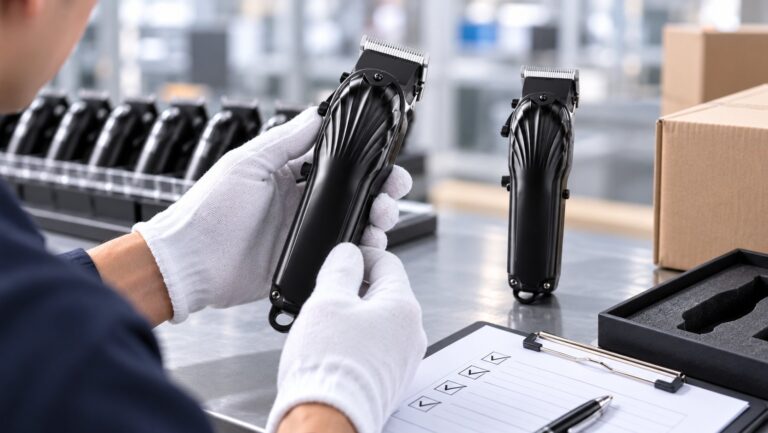
Sample testing is especially important. Product photos cannot show motor sound, hand comfort, cutting smoothness, or charging experience.
A practical evaluation may include checking:
| Inspection Item | Purpose |
| Cutting performance | Check actual user experience |
| Battery operation | Review runtime and charging stability |
| Noise level | Evaluate comfort during use |
| Housing quality | Check durability and handling |
| Accessories | Confirm completeness of package |
Many brands do not simply purchase existing products. They may need customized colors, logos, packaging, accessories, or user manuals.
An OEM supplier should be able to communicate clearly about:
Customization can help brands create differentiation, but it also requires closer cooperation between the buyer and manufacturer.

A successful product relationship continues after delivery. Maintenance and service support can influence customer experience and repeat purchasing.
Hair clippers require regular care to maintain performance, especially professional models.
Common maintenance points include:
For distributors, clear maintenance instructions can reduce customer complaints and unnecessary returns.
For businesses selling personal care appliances, supplier support can affect long-term cooperation.
Important areas include:
A supplier that understands the product after delivery can help brands manage customer feedback more effectively.
SUOKE Electric provides home appliance products and related manufacturing services for customers looking for personal care appliance solutions. Technical assistance is provided by the manufacturer for product development, customization needs, production communication, and logistics management. In relation to retailers, distributors, and private labels, the collaboration can be in the form of product specifications, appearance, packaging, and deliveries. The buyer will have to compare technical data, product information, cost, lead times, and services prior to selection.
There are clear distinctions between consumer and professional hair clippers owing to their respective target markets and conditions under which the tools are used. These distinctions are evident in terms of the motor design, material of the blades, battery systems, durability demands and servicing needs of the devices. Consumers have to purchase items that suit their intended use rather than choosing the tools based on their price and look alone. Brands/distributors must also consider the supplier’s capabilities and consistency of the products offered.
Professional hair clippers are intended for regular use and mostly pay attention to durability, stability, and sustainability of their performance. Consumer models are oriented towards temporary home use.
They can be used for basic procedures, while constant professional work may need better motors, blades, and cooling system.
Buyers have to study characteristics, motors, blades, batteries, quality samples, customization possibilities and after-sales services of products.
Cordless professional clippers can be used for daily salon operations if battery life, fast charging, and general product features correspond to work needs.
Depends on the supplier of the product and can include different modifications like branding, colors, accessories, manual, package and other.