

Choosing an OEM factory is crucial for brands that want to develop new home appliance products. Although much attention is paid to the factory’s production capabilities and cost, in most cases, exactly its R&D capabilities determine the idea’s feasibility. Before developing a product, buyers should examine the supplier’s expertise in engineering, design process, project communication, technical testing, technical customization, and problem-solving experience. A potential supplier’s R&D capabilities should be considered because they can support the brand in creating a realistic concept and reducing product development risks.
Many buyers consider the cost of manufacturing when choosing an OEM manufacturer, but in fact, the product development involves many factors beyond just the manufacturing cost. The ability of a factory to perform research and development activities plays a vital role in the choice of components, product structure design, prototype development, and testing, which ultimately shape the final product.
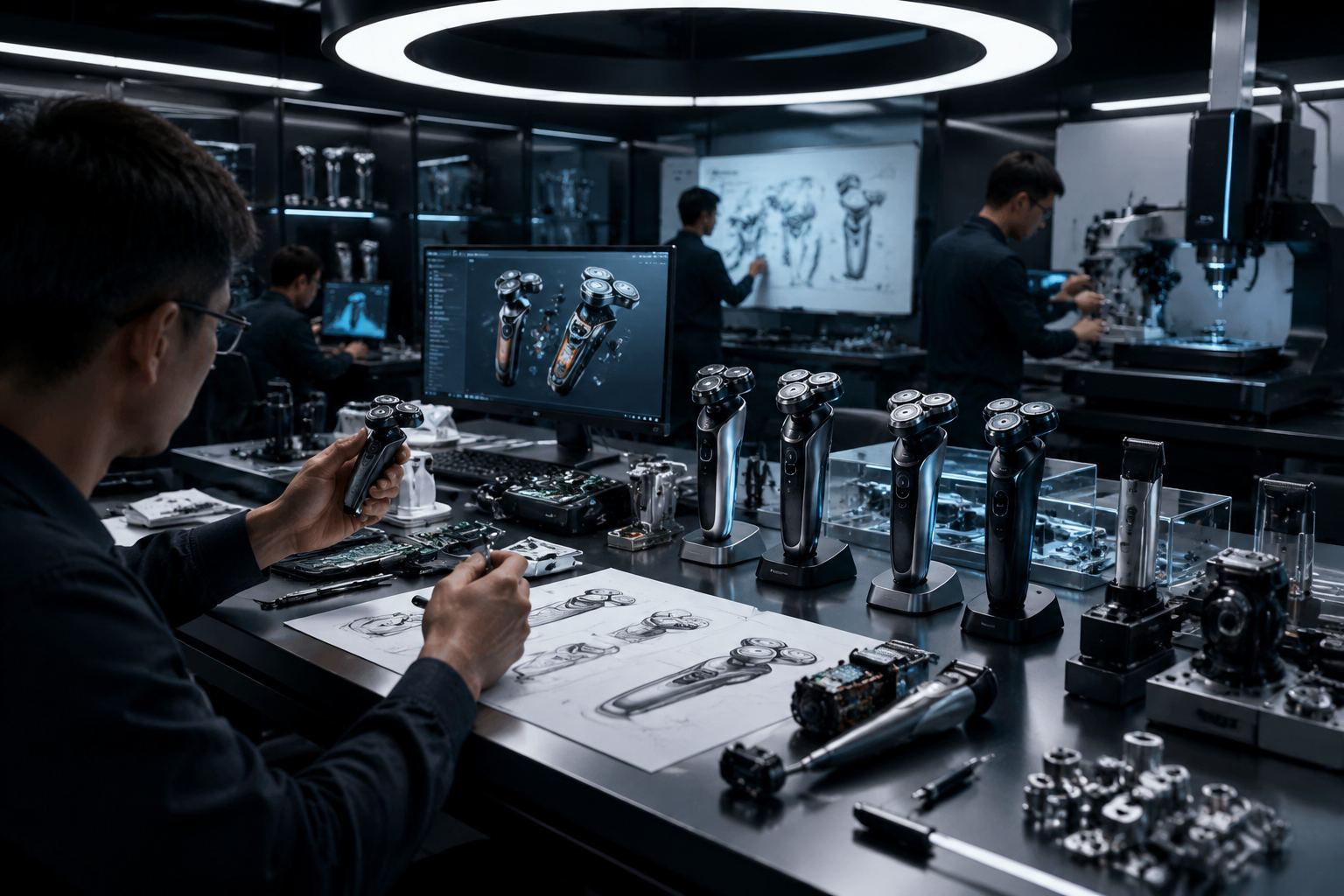
During the early stages of development, OEM factories need to transform the idea of the product into a manufacturable design, which involves technical negotiations, design modifications, material selection, and production feasibility analysis.
Professional buyers should ask whether the factory can provide the following:
A supplier without sufficient development capability may only follow existing designs, which can limit product improvement and create problems when adjustments are required.
Choosing an OEM factory without evaluating its technical capability may lead to several risks:
For this reason, R&D evaluation should happen before product development begins, not after manufacturing problems appear.
A factory’s R&D capability should be evaluated through practical technical factors rather than general descriptions. Buyers need to understand how the supplier approaches product development.
Engineering capability reflects whether an OEM factory can handle product requirements and convert ideas into workable solutions.
Buyers may review:
| Evaluation Area | Buyer Consideration |
|---|---|
| Product design process | How concepts are developed into products |
| Engineering support | Whether technical suggestions are available |
| Prototype ability | How quickly samples can be created and adjusted |
| Component selection | Whether suitable parts are recommended |
| Production feasibility | Whether designs match manufacturing conditions |
A capable engineering team should understand both product requirements and manufacturing limitations.
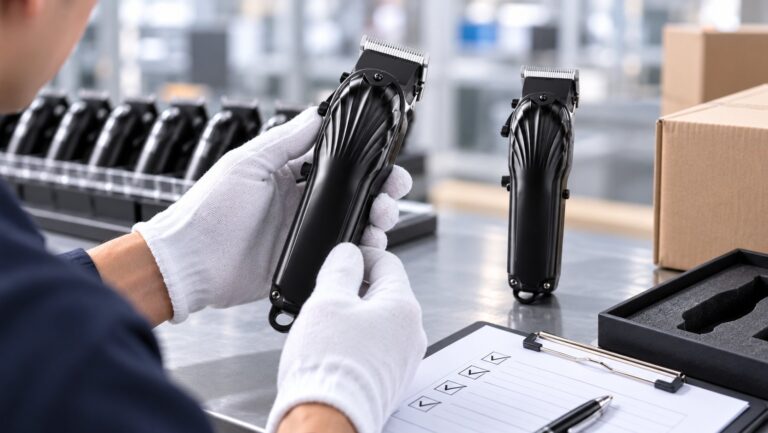
Prototype development allows buyers and suppliers to identify potential issues before mass production. A prototype can reveal problems related to product structure, component compatibility, assembly methods, and user experience.
Before cooperation, buyers should ask about:
A clear prototype process can reduce uncertainty during product launch.
R&D capability is closely connected with testing and quality control. A product that reaches production without sufficient evaluation may face reliability issues after launch.
The specific testing requirements depend on the product category and market requirements. Buyers should understand how the factory evaluates product performance during development.
Important areas may include:
The supplier should be able to explain its testing approach and quality inspection process clearly.
Quality control is not only a production-stage activity. It should begin during product design and component selection.
Early quality evaluation helps identify possible risks before production volume increases. This is especially important for OEM projects because product specifications are often customized according to brand requirements.
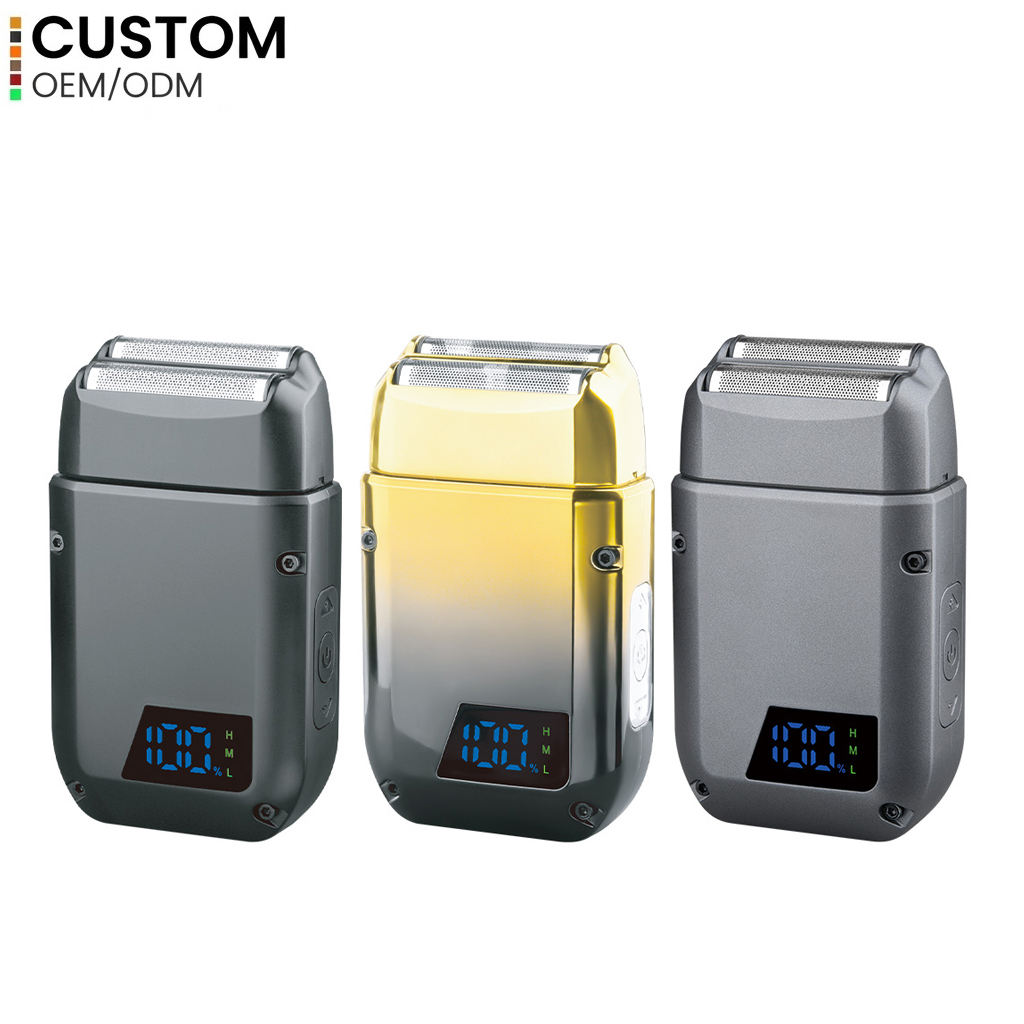
Customization is one of the main reasons brands choose OEM manufacturing. However, customization requires technical cooperation between the buyer and factory.
Before selecting an OEM partner, buyers should confirm:
A factory may offer customization services, but the level of support depends on its engineering resources and manufacturing setup.
Product development usually involves multiple discussions between buyers, engineers, designers, and production teams.
Clear communication helps avoid issues such as:
A supplier with strong communication ability can help buyers manage development more efficiently.
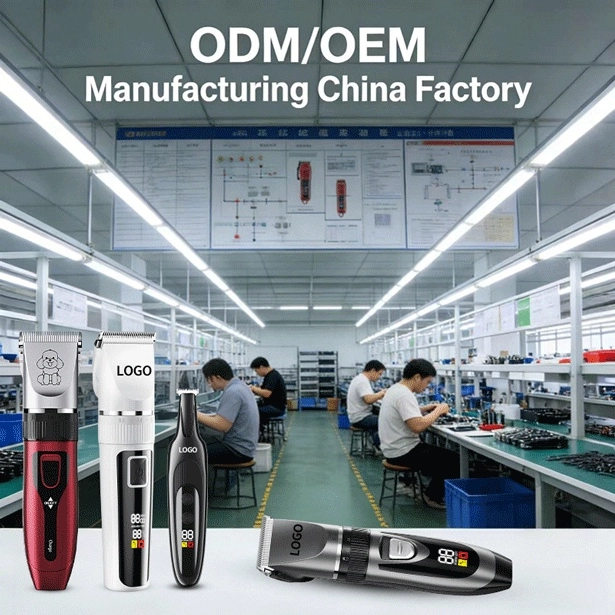
Supplier evaluation should include both technical and business considerations. Asking the right questions before cooperation can help buyers compare different factories more effectively.
Buyers may ask:
These questions help buyers understand whether the factory can support the complete product development process.
Price should not be the only comparison factor. Buyers should also review:
| Comparison Factor | Why It Matters |
|---|---|
| R&D capability | Influences product development support |
| Manufacturing experience | Affects production stability |
| Communication efficiency | Reduces project delays |
| Quality management | Supports product consistency |
| Delivery capability | Influences market launch plans |
A supplier evaluation based on multiple factors can reduce sourcing risks.
SUOKE Electric offers high-quality home appliance products and related OEM services to buyers looking to develop new products. The company provides communication about the products, technical aspects, requirements, and production process coordination according to the project’s needs. For brands, retailers, and distributors, cooperation options can include product design and specification discussions, requirements, packaging, and delivery terms. Besides, it is essential for buyers to evaluate various factors when selecting an OEM manufacturing company, such as the supplier’s capabilities, product requirements, pricing, development process, and service policy.
Evaluating an OEM factory’s R&D capability before product development helps buyers reduce technical risks and improve project efficiency. A suitable OEM partner should not only provide manufacturing services but also help with product design, engineering communication, prototype development, testing, and quality control.Before making a choice, buyers should evaluate an OEM company’s technical capabilities, level of customization support, development process, and communication.
Buyers should review engineering support, prototype development ability, testing procedures, customization capability, technical communication, and quality control processes.
R&D capability affects product feasibility, development efficiency, customization options, and the ability to solve technical problems during product development.
Buyers can ask about previous development processes, prototype support, engineering resources, customization options, and technical documentation.
Important questions include development process, testing methods, customization capability, production support, quality control procedures, and delivery planning.
Not necessarily. Buyers should consider R&D capability, product quality, communication efficiency, development support, and long-term cooperation potential instead of price alone.