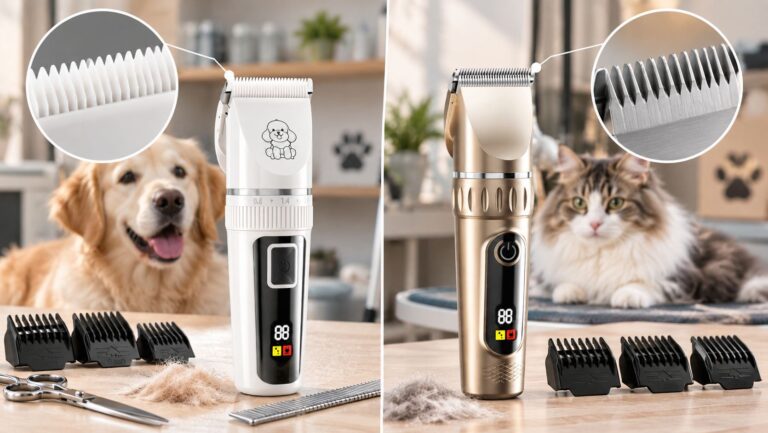

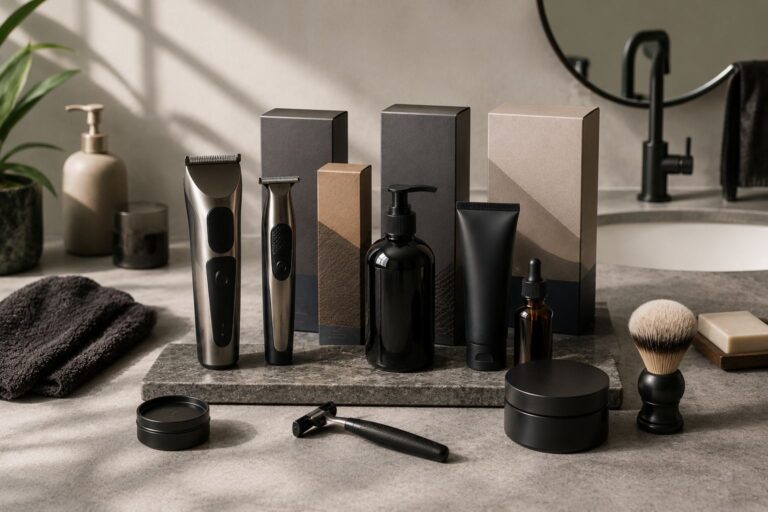
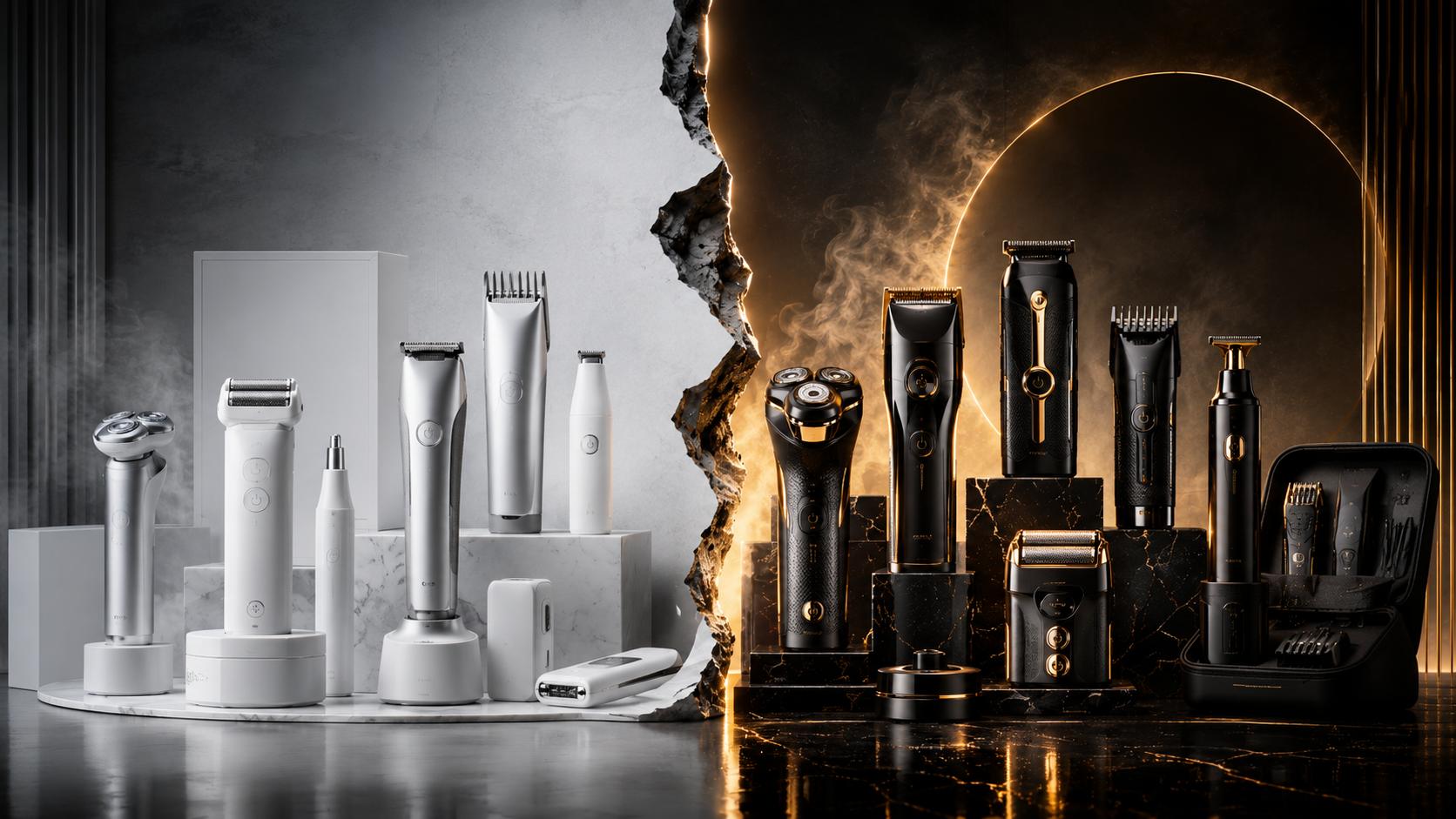
When entering the market of personal care, companies have an important business decision to make, whether to go for white label or private label grooming products. The two models offer brands the ability to launch grooming products without building their own manufacturing facilities, but differ in the degree of customization, investment required, control over the product and profit potential. Understanding these differences allows startups, retailers, and established brands to mitigate sourcing risks and choose a model that suits their market strategy, budget, and long-term development goals.
The main difference between white label and private label grooming products is the level of customization and control the brand owner has.
White label products typically use an existing formula or design created by a manufacturer. Different brands might buy similar products and put their own branding on them. This enables you to get to market faster, with less development effort.
Private label grooming products usually need more brand-specific development. The manufacturer can help with formula adjustments, packaging selection, product design and other needs depending on the needs of the buyer.
The right choice depends on the brand’s goals, available resources, and target customers.
| Factor | White Label | Private Label |
|---|---|---|
| Customization | Limited | Higher flexibility |
| Development time | Usually shorter | Requires more planning |
| Initial investment | Often lower | May require more investment |
| Brand differentiation | More limited | Stronger product identity |
| Market positioning | Suitable for faster launch | Suitable for long-term brand building |
A startup testing the market may prefer a simpler model, while a company building a unique grooming brand may require more control over product development.
The grooming sector contains many product categories like this, such as electric grooming tools, personal care devices and related accessories. Without differentiation, brands can be competing on price alone.
Through private label development, companies are able to tweak the look, packaging, features and positioning of the product to better align with their target market.
But customization also increases the need for communication with suppliers, product evaluation and quality control.
Margin potential depends on many factors, including product cost, selling price, customization level, marketing strategy, and sales channel.
Private label grooming products often allow brands to create products with unique positioning. When customers see a product as different from general market offerings, brands may have more flexibility in pricing.
However, higher margins do not come only from customization. Buyers also need to consider:
A customized product with high production costs may not always create better margins.
Startups are often attracted to white label products because they often take less time to develop and require less initial investment.
For companies entering the market, it is likely more important to reduce product development risks than to maximize unit margins early on.
Launching faster lets companies test customer responses, collect feedback and see if more customization is needed.

Profitability depends on how well product development matches customer expectations and business objectives.
Product specifications directly affect manufacturing costs and market positioning. Features, materials, components, packaging, and production requirements all influence the final price structure.
Before developing private label grooming products, buyers should evaluate:
A product should provide enough value for customers while remaining practical to manufacture.
Minimum order quantity is an important factor when calculating potential margins.
A higher MOQ may reduce unit production costs but requires more inventory investment. For new brands, excessive inventory may create financial pressure.
Before cooperation, buyers should confirm:
The suitable MOQ depends on the company’s sales capability and market strategy.
Supplier selection influences product quality, delivery reliability, and long-term cooperation.
Professional buyers usually evaluate:
| Evaluation Area | Buyer Consideration |
|---|---|
| Manufacturing capability | Can the supplier support expected orders? |
| Product customization | Can requirements be adjusted? |
| Quality control | How are products inspected? |
| Documentation | Are specifications clearly provided? |
| Communication | Can the supplier understand project needs? |
A supplier should be evaluated based on practical capability rather than only price.
Grooming products may involve electrical components, materials, packaging, and safety. Poor production quality may lead to low customer satisfaction and increased returns.
Before making bulk purchases, buyers should request samples, specifications, inspection details, and packaging information.
Although private label products provide more control, they also require more responsibility during product development.
Potential risks include:
These risks can be reduced through clear product requirements, sample approval, and supplier evaluation.
A structured development process helps companies make better decisions.
A typical process may include:
Each step helps identify potential problems before larger investments are made.
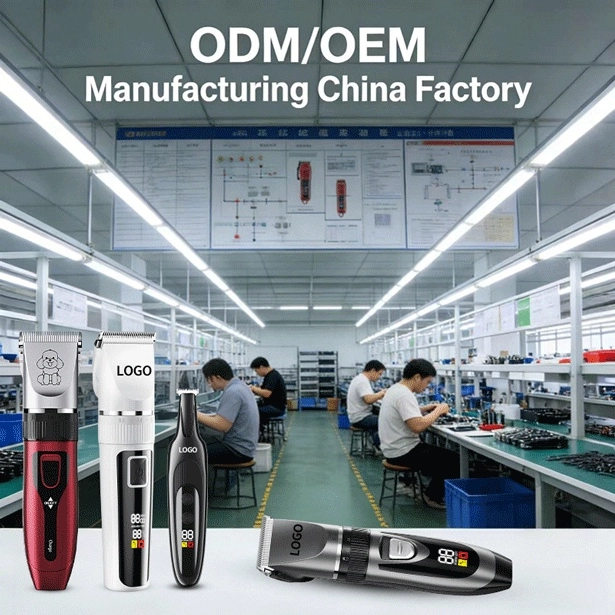
The decision depends on the company’s current stage and business objectives.
White label grooming products may be suitable for companies that:
This approach can help businesses validate market opportunities before investing in deeper product development.
Private label grooming products may be suitable for brands that:
The additional development process may create more opportunities for building a recognizable product line.
SUOKE Electric provides high-quality home appliance products and related services for buyers developing personal care and grooming product solutions. The company offers support to clients by providing communication about the products, discussing options, requirements for customization, and placing an order according to specific needs. For representatives of retailers, distributors, and brand owners, cooperation can be organized by analyzing requirements and specifications, discussing packaging, and arranging delivery terms. Moreover, buyers need to compare the characteristics, cost, production volumes, timing, and other conditions offered by different suppliers.
The choice between white label and private label products depends on the company’s budget, target market, and level of vertical integration. While white labels allow for quicker introduction of goods to the market, private-label production provides more opportunities for customization and brand building. The company’s profitability from both options is not necessarily higher than other producers’. Margins depend on the product’s positioning, production costs, demand, and relationships with suppliers. To maximize revenue, the firm must consider its needs and how to meet them most efficiently.
White label grooming products usually use existing manufacturer products with branding changes, while private label products allow more customization based on brand requirements.
The suitable model depends on the company’s goals. Startups testing the market may consider white label products, while brands seeking stronger differentiation may choose private label development.
Not necessarily. Margins depend on manufacturing costs, product pricing, market demand, customization level, and sales strategy.
Buyers should review product specifications, customization capability, quality control processes, MOQ, production capacity, delivery terms, and supplier communication.
Brands can reduce risks by defining product requirements, testing samples, evaluating suppliers, confirming specifications, and planning inventory carefully before production.