
Whenever a certain retailer wants to diversify into pet grooming products, finding the manufacturer is least of the worries. The tough spot begins once the initial order is placed – and the client has to make the next purchase. Such situations are rife with sourcing challenges, including cutting power, short battery life, lack of spare parts, and inconsistent performance between batches. This is why seeking a pet grooming equipment supplier is a matter of both immediate needs and long-term viability for any distributor or private label manufacturer.
A common mistake made by novice importers is assessing a supplier based on product photos, quotations, and one sample. All of these are useful evaluation criteria, but they do not always reflect the true quality of production at the factory.
The first few samples may be perfect since they are made by the factory’s priority teams, which are given special attention. Realistically, the production line may begin to deliver lower quality products when the order reaches dozens or hundreds of units that need to be produced.
Prior to cooperation, an experienced buyer studies three main aspects: the factory’s knowledge of the product category, the reliability of the production process, and the ability to implement future changes.
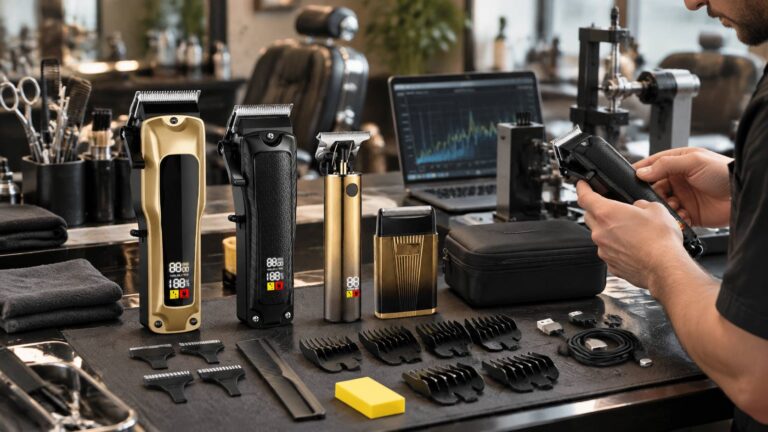
Pet grooming equipment is a category that requires specific knowledge of the application environment. For example, a clipper shaver for a grooming salon will have different requirements than a pet grooming clipper for cat owners. A professional clipper must meet the demands of a highly loaded device, whereas a household clipper should prioritize comfort and ease of use for the owner.
A supplier who knows this nuance will give broader advice when selecting a product based on their specific application.
Manufacturing experience is not only about years in business. It is also about understanding where problems usually happen.
For electrical trimming devices, the possible defects could be connected with the motor work, battery performance, blades’ quality, charging mechanism, assembling process, etc. A factory that has experience in manufacturing such products will have more knowledge about avoiding the described defects.
This factor is beneficial for the dealer, as it ensures lower risks of defects during the work of the purchased equipment.
Many companies don’t stop after introducing one product. Many of their subsequent offerings are related products.
Having a supplier from whom they can develop their products for them and that can fulfill diverse requirements is an advantage, compared to searching for a new manufacturer every time they need to bring a new product to market.
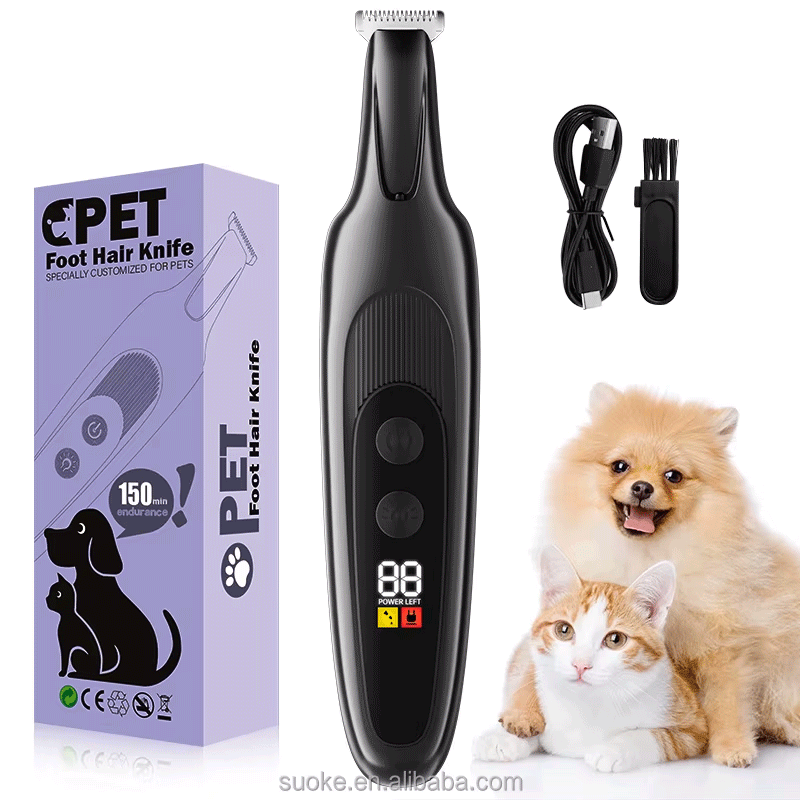
A sample review is an important step, but it should not be limited to checking appearance.
For pet grooming products, performance during actual use is what determines whether customers will continue using the product or leave negative feedback.
The motor and blade system are usually the first areas experienced buyers examine.
A product may appear powerful during a short demonstration, but professional users often notice differences after repeated operation. A clipper that becomes noisy, loses power, or struggles with thicker coats can quickly affect the user experience.
Important factors include:
The blade system also affects how comfortable the grooming process is. Poor cutting performance may create frustration for both groomers and pets.
A supplier that understands these details should be able to explain why specific components are selected instead of only describing product features.
Cordless pet grooming equipment has become popular because it allows users to work more freely. However, battery performance is one of the areas where customers quickly notice differences.
For professional groomers, a product that stops during use can interrupt their workflow. For home users, frequent charging can reduce the convenience that cordless products are supposed to provide.
When reviewing cordless products, buyers usually pay attention to:
The goal is not simply choosing the largest battery capacity. The better solution depends on the product positioning and target users.
Many purchase issues are not related to a particular product. They arise due to the lack of quality control during production processes.
Therefore, it is essential, prior to placing large-scale orders, for importers to analyze how the factory manages its quality control.
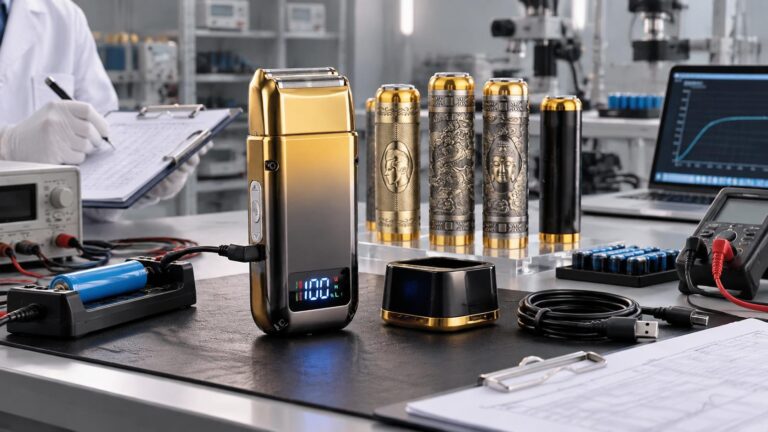
In most cases, there is a set of necessary inspections, ranging from raw material checks to completed goods inspections, which are performed by professional manufacturers.
During supplier discussions, buyers can ask:
These questions reveal how seriously a supplier treats production control.
A product journey does not end when goods leave the factory.
After products enter the market, customers may ask about operation methods, replacement parts, or technical issues. Without supplier support, retailers may spend more time solving problems on their own.
Before cooperation, it is useful to understand how the factory handles:
For brands selling through online channels, fast problem resolution can directly influence product reviews and future sales.
Private label competition in the pet care market is increasing. Simply adding a logo to an existing product is usually not enough to create a strong market position.
Successful private label products normally start with a clear understanding of the target customer.
Customization should support the brand strategy rather than increase costs without a clear purpose.
Depending on the market, brands may customize:
For example, a premium pet care brand may focus on design and user experience, while a retailer targeting price-sensitive customers may prefer practical features and efficient production costs.
The key is selecting options that customers can actually recognize and value.
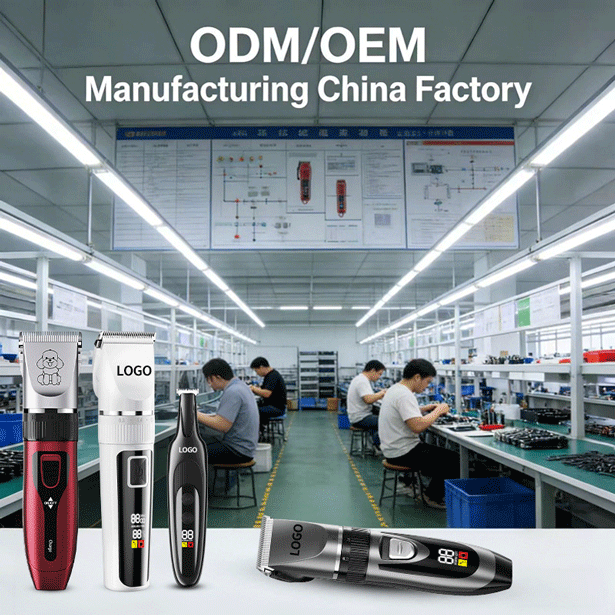
A manufacturer with OEM/ODM experience can support more than the first product launch.
As brands collect customer feedback, they may need updated versions, new configurations, or additional products. A supplier familiar with product development can respond more efficiently because it already understands the production process.
For growing businesses, this flexibility can save time when expanding the product range.
Choosing a supplier is not only about finding the lowest factory price.
A slightly cheaper product may create additional costs later if it leads to quality complaints, delayed shipments, or difficult communication.
When comparing suppliers, retailers usually look at:
One useful approach is to consider the entire cooperation process. How does the supplier respond during sample development? How clearly does it explain production details? How does it handle problems?
These factors often show the difference between a simple manufacturer and a long-term production partner.
SUOKE Electric is a professional manufacturer of electric personal care devices, covering electric hair clippers, electric toothbrushes, shavers, and pet groomers. We offer an R&D, production, and cooperation model of sample orders, agency/purchase, and OEM/ODM. With years of experience in the electric personal care appliance industry, we provide solutions for your business in the home care and professional care markets!.
When choosing a pet grooming equipment supplier, it is vital to consider other factors besides prices and photographs of samples. For resellers and private label manufacturers, it is essential to analyze the production process and its organization to find a supplier capable of providing consistent quality and development opportunities. A reliable manufacturer with an appreciation of the long-term prospects and current problems of the reselling company can become an essential partner.
A sample alone is not enough. Buyers should check production processes, quality control methods, previous experience, and whether the factory can maintain the same standard during larger orders.
Motor performance, blade durability, battery stability, assembly quality, and production testing all influence how the product performs during daily use.
Yes. Many manufacturers provide private label services including product customization, packaging support, branding solutions, and OEM/ODM cooperation.
Battery-related problems are common reasons for customer complaints. Testing working time, charging performance, and product stability before ordering can reduce future issues.
A strong supplier provides stable production, clear communication, flexible customization, reliable delivery, and support when products need improvement or expansion.