
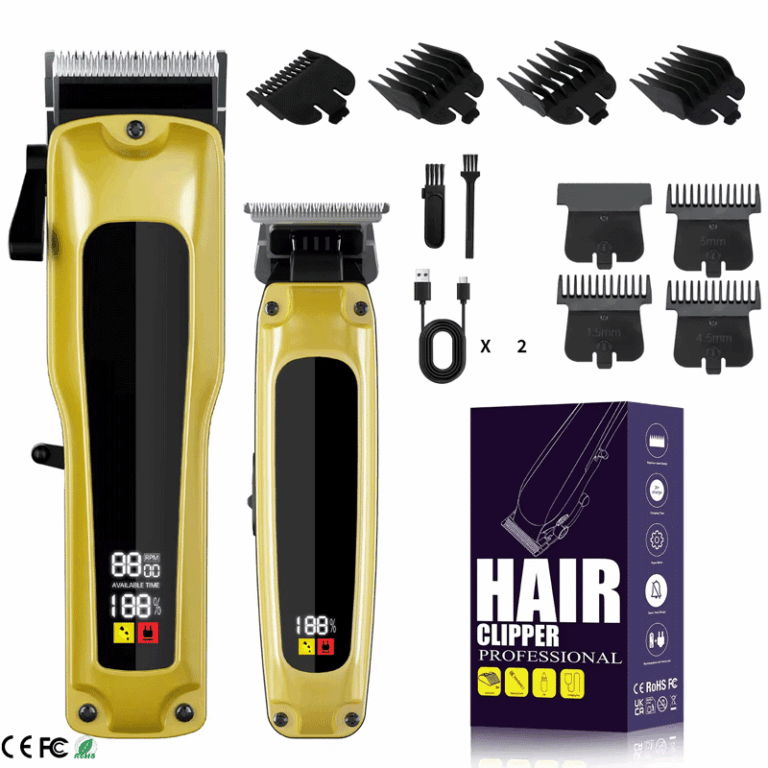
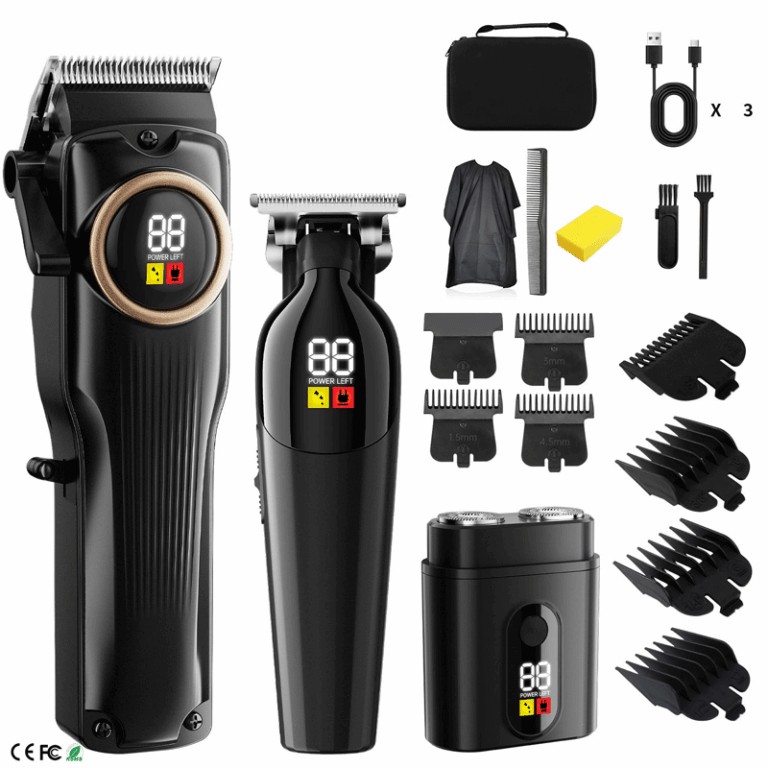
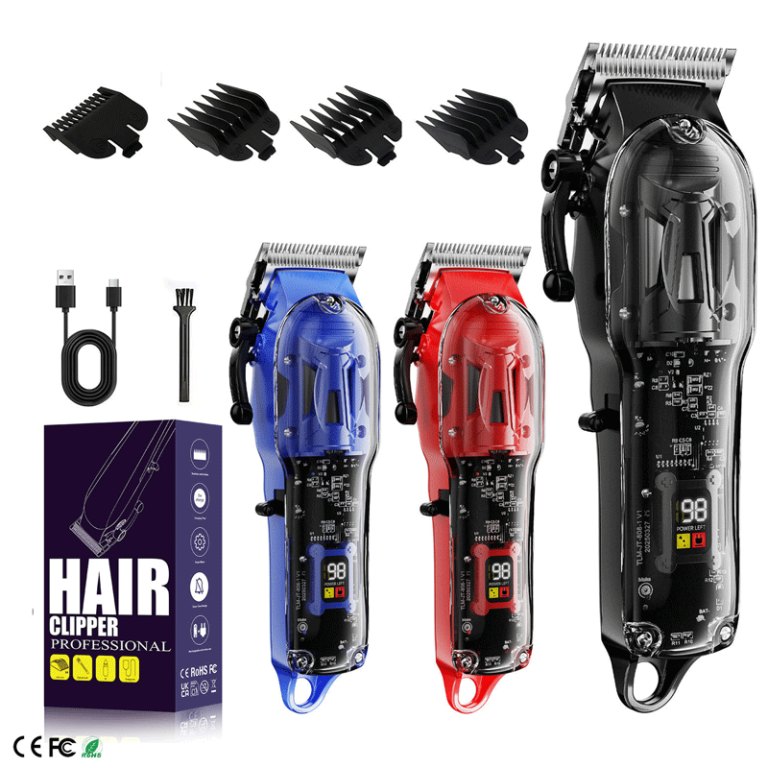
The mustache is often the awkward part. Across the cheek, the blade is easy to see. Turn it above the mouth and your view may be blocked by the handle. That is a useful position to try when discussing a beard and mustache trimmer with us: try the awkward turns.
The beard’s length and its outline ask different things of your hand. For one, you hold a chosen distance from the skin; for the other, you follow a visible border. Turn a broad housing toward the mustache and that view can disappear.
Stubble can be exactly what your customer ordered. The jaw may need that visible covering while the area outside the agreed beard line needs a close finish. That is where a guarded trimmer and a foil shaver have separate jobs.
The services you actually sell should decide which attachments earn space at the station. A shop maintaining beards and tidying mustaches needs dependable length settings and access around the mouth. Extra grooming heads add little to that appointment if neither of those jobs becomes easier.
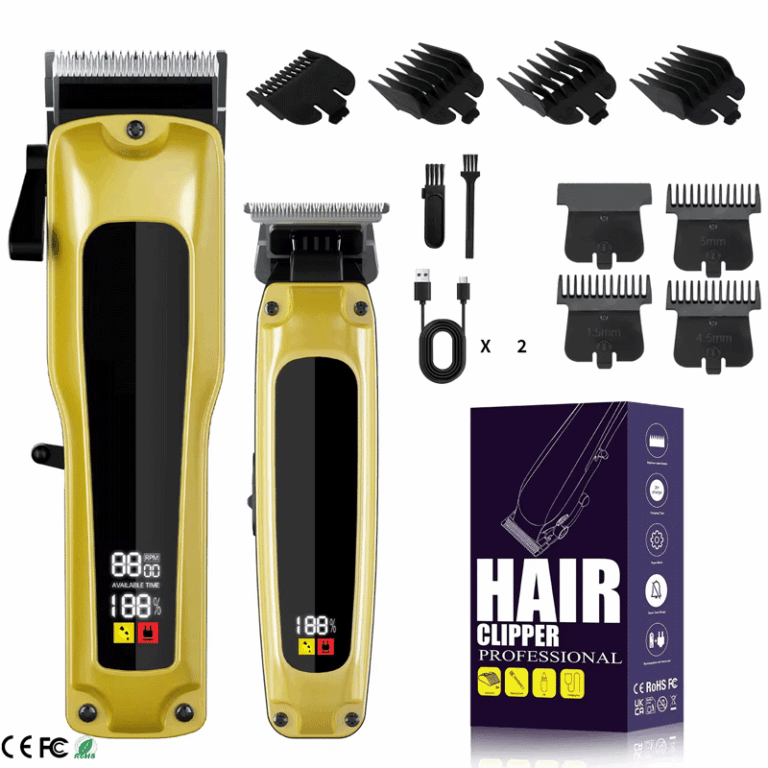
The gap created by the comb is what leaves hair on the face. On a stubble beard trimmer, a loose attachment puts that gap in doubt even if the blade itself is cutting well. Can you read the selected length while holding the handle normally? Those details affect the everyday task of returning a customer to an agreed beard length.
A comb marked with a number still needs a length in millimetres. Use the stated millimetre lengths for the particular attachment and model. A familiar comb number can be misleading when you change tools. Compare the actual stated length, then assess the result with consistent pressure and direction: the angle at which the comb meets the face also matters.
A sample trial should therefore use a recorded setting and a consistent technique. Under the jaw, the direction of the pass changes as your hand follows the face. Watch the attachment there. If the comb moves while the head stays steady, you have lost a fixed reference for length.
For a best men’s trimmer comparison, specify an appointment you recognise from your own shop. Include the usual beard length and the mustache work, so the sample is assessed against a service you actually sell. A universal ranking cannot settle that fit.
The lip line is where a comfortable handle can become troublesome. Rotate the sample into the position used above the mouth and look along the cutting edge. If the housing hides the hair you intend to retain, a clear product photograph offers little reassurance about the working view.
Head width changes how you cover the beard. Beside the lip, a narrow head brings less blade near the hair you want to keep. Across the cheek, its smaller coverage may mean extra passes. Try both positions before deciding which matters more for the service.
Grip changes matter here too. Try the working grip above the lip before moving to the mouth’s corners. A bent wrist can be a sign that you are working around the housing to see the blade. Repeat the position with another sample. Compare access at the lip.
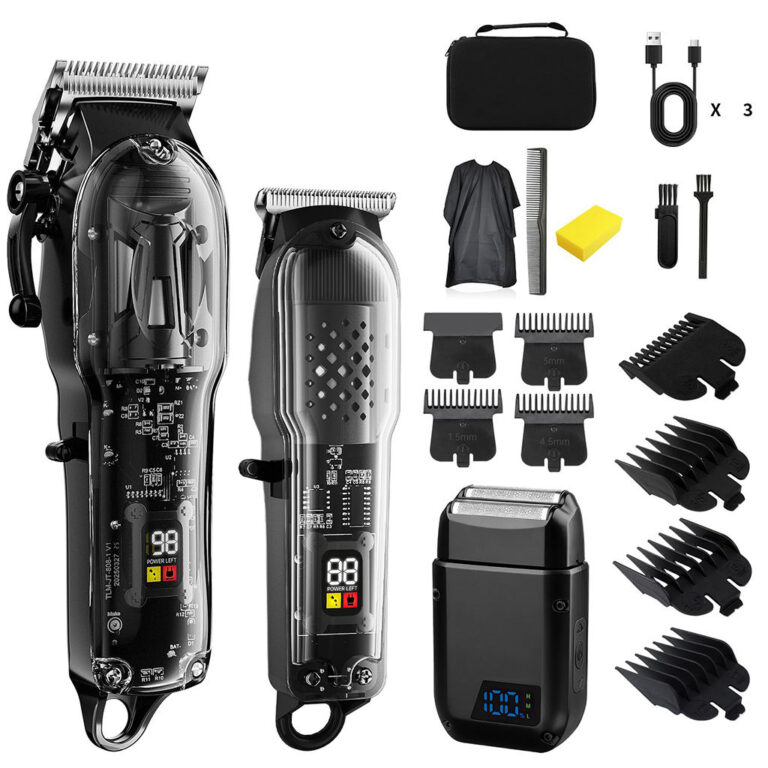
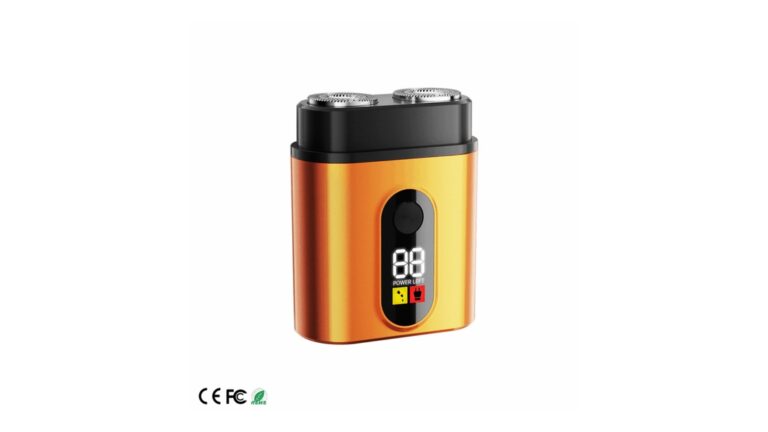
A foil is the screen between the face and the moving cutter. Hair entering its holes reaches the cutter underneath. There is no length-setting comb doing the job described earlier, so this is the tool for a close finish on the intended area, not for maintaining a full beard. Your professional barber shaving supplies can include both tools, with the foil shaver reserved for areas intended to be closely finished.
At SUOKE, our range includes a rechargeable double-floating-blade foil shaver and cordless salon clipper sets. The word ‘kit’ leaves an obvious question: what is in the case? Include the finishing shaver by name if you need one, and check the exact component list.
For preparation and cleaning, keep the instructions for the chosen shaver at hand. These settle whether to shorten hair first and what can be washed after the service. Removing the head is not evidence that you can wash the handle. Check each component in a set separately.
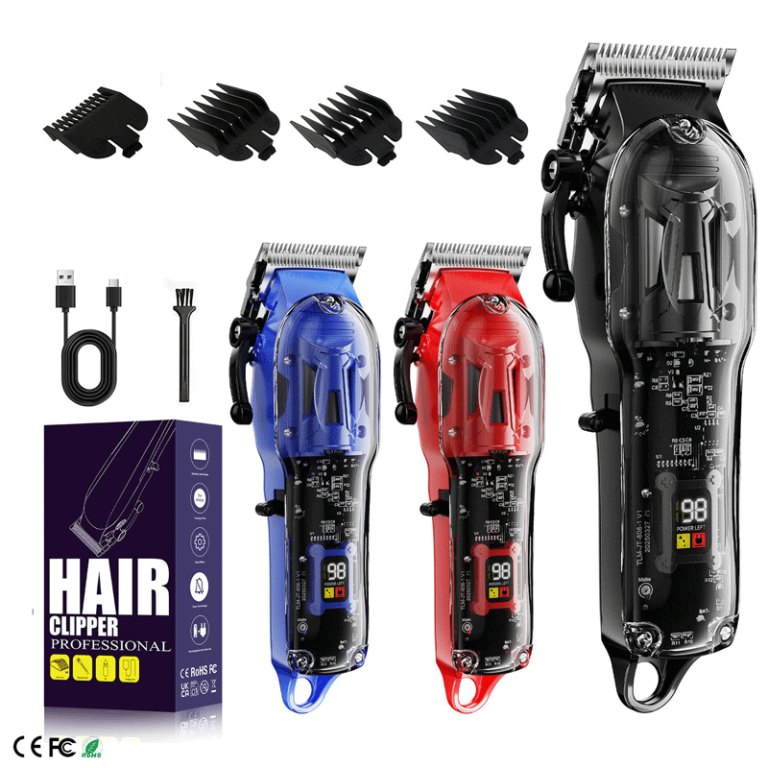
A sample review works best when it follows the service sequence. Begin with bulk reduction where needed, move through the chosen beard length, then assess the mustache edge and any close finish.
Look through your current hair cutting supplies before choosing a bulk-removal tool: an existing cordless clipper may already cover that part of the appointment. Check that role before adding another nearly identical tool. If bulk removal is covered, spend the sample session on the missing function, such as access beside the lip or close finishing outside the beard.
A useful assessment note identifies what was fitted to the sample. Record the attachment, length setting, grip issue and the stage of the service where it appeared. Keep observations separate from advertised specifications. Battery capacity, for example, does not by itself establish working time under your shop’s cutting conditions.
The useful buying decision comes back to the chair. Does the comb stay put under the jaw? Can you see the mustache edge without an awkward grip? Once your team can answer those questions and identify the finishing tool, the set has a purpose beyond looking complete in its case.
For a SUOKE sample discussion, describe your beard services and the cutting or finishing step you need to improve. A description of the awkward pass is useful here, whether it is under the jaw or beside the lip; we can use that to discuss the sample configuration.
One tool may cover both jobs. Its attachment must leave the length you want, and the head must let you see and reach the mustache border. Assess both jobs with the same sample rather than assuming a beard-friendly grip also works at the lip.
Taking off the attachment leaves the blade doing the cutting at its own specified length. Use the specific model’s cutting information when explaining the expected finish.
For mustache corners, a narrow head may be convenient. For the cheeks, a wider blade covers a broader strip. Try that alongside the detail work so you can judge the extra passes against any benefit at the mustache.
Request the exact attachment list, cutting-length information and care instructions for that configuration. Keep those details together with the sample notes. A later discussion about the order can then refer to an identified model and comb arrangement, not just the colour of the handle.
No such assumption is safe across models. Check the specific operating instructions and plan a charged replacement tool if corded operation is not supported.