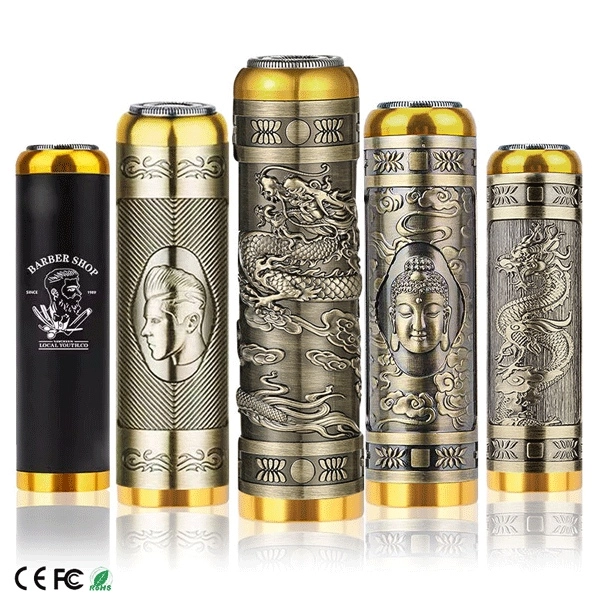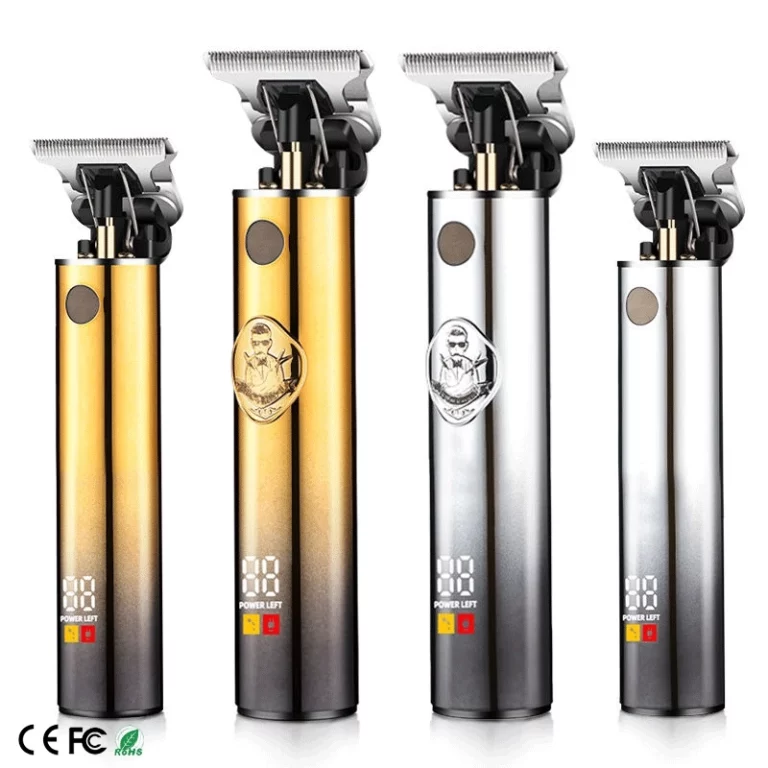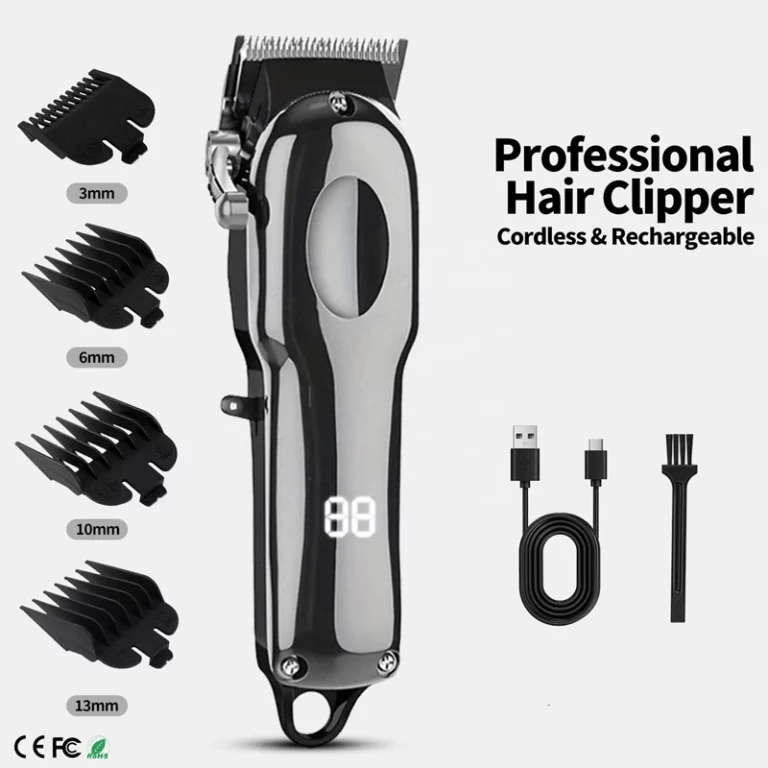
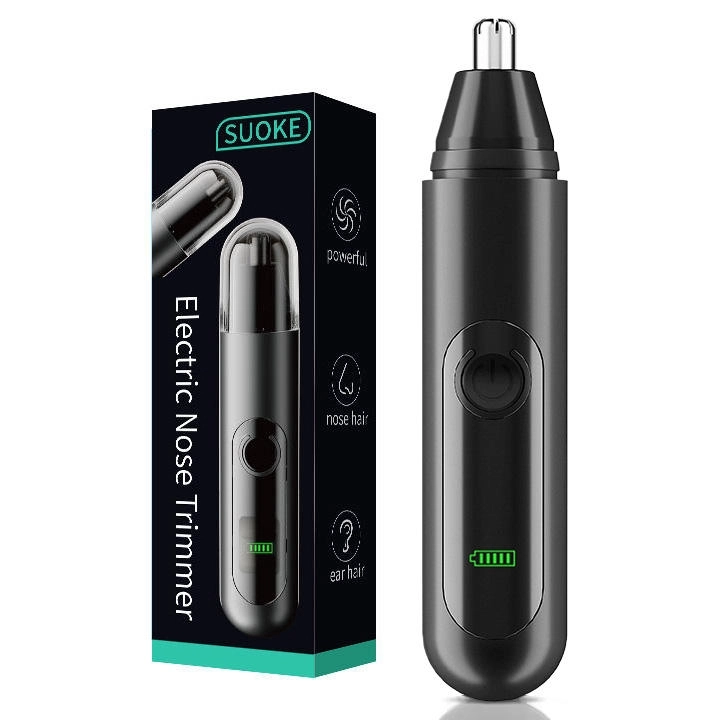
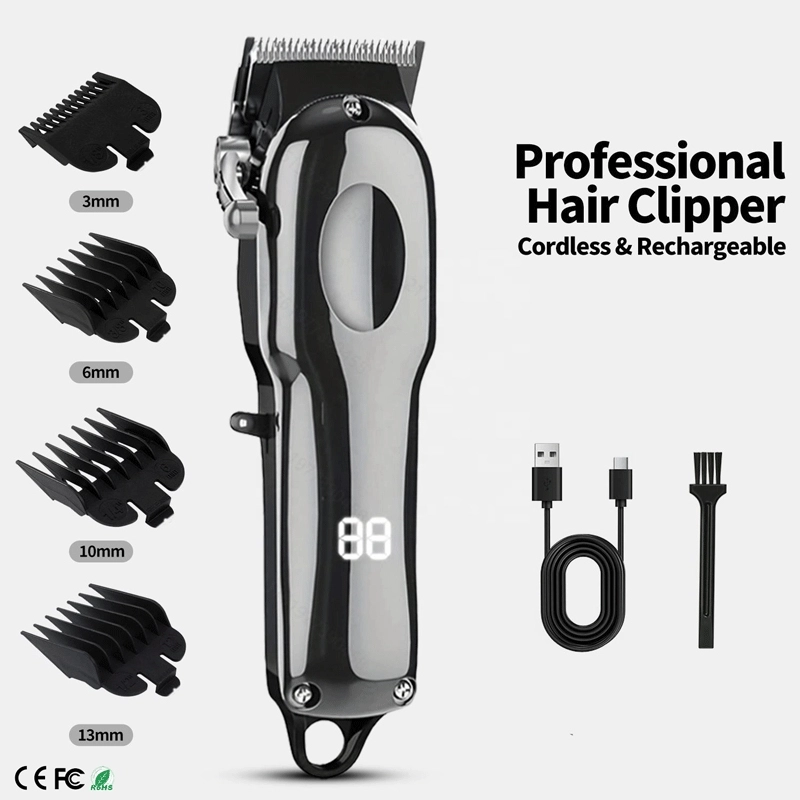
Picture yourself in a quiet corner of your garage or a small rented space. You’ve got this clear picture in your head. A fresh collection of barber tools. Guys keep asking for dependable electric hair clippers that feel solid. They want ones that run long on a charge. Easy to rinse clean. Sharp-looking on display. But you aren’t ready to set up your own factory. That’s exactly when an OEM/ODM partnership steps in. It lets you pour energy into your brand name, marketing push, and customer connections. Meanwhile the manufacturer takes care of the tough production side.
This piece walks you through the actual steps of teaming up for electric hair clippers. We’ll talk about finding a good supplier. We’ll go over the custom-building flow. We’ll hit why strong quality checks matter so much. And we’ll explain why this path makes real sense if you’re dead serious about getting your own line out there. Straight facts. No hype. Just the way things play out day-to-day in the grooming business.
Kicking off a barber brand without any manufacturing setup is rough. Tooling expenses add up quick. Supply lines turn chaotic. One weak shipment can wreck your name right at launch. An OEM/ODM arrangement changes the game. You tap into ready-made production setups. Skilled crews. Lower chance of big mistakes.
With OEM the factory builds to your specs. They start from their proven designs. ODM pushes further. They craft the whole thing fresh based on what you describe. In both cases you walk away with electric hair clippers stamped with your logo. Your colors. Your special tweaks.
Here’s a real story. One startup owner had a simple wish. Cordless clippers. Fully washable. Rechargeable through USB. Built tough for barbers who work long shifts. They went ODM route. Added a zero-gap T-blade for clean lines and fades. Threw in an LED screen for battery status. Kept the body light and easy to hold. Six months in their first batch flew off shelves at local events and online stores. Without the partner managing molds and assembly that speed never happens.
The grooming world keeps expanding. Barbershops need fresh stock. Home users want pro-level gear. Mobile stylists look for portable tools that last. Teaming up lets you jump in fast.
Not every plant works well. Some pump out low-end copies. Others focus on decent grooming equipment. Hunt for these clues when scouting a professional hair clipper manufacturer.
Yiwu area in China draws a lot of this business now. Factories there run smooth operations. They get what Western buyers expect—safety rules, greener materials, fast mock-ups.
Dig deeper into their operation. Ask straight questions about motor styles (rotary compared to pivot). Blade makeup (stainless steel or ceramic edges). Battery details (lithium-ion cells for extended run times). A reliable partner sends actual samples pretty early.
After you lock in a partner the work follows a logical path. Here’s how a typical SUOKE ODM service usually unfolds for electric hair clippers.
You stay in the loop the whole way. Pictures come through. Short videos. Test data sheets. Keeps everything transparent.
Quality decides if customers come back or leave bad reviews. A capable partner weaves checks right into every step.
Look at washable electric hair clippers for example. A good factory tests seals hard. Water stays out of electronics. They share submersion proof and results. Your buyers rinse tools after heavy use. No worries about damage.
One brand owner told me their partner’s tight QC spotted loose blade screws in a test batch. Caught early. Fixed before anything shipped. Saved a ton in refunds and ruined trust.
Here’s a simple breakdown to help you pick.
| Aspect | OEM (Original Equipment Manufacturer) | ODM (Original Design Manufacturer) |
|---|---|---|
| Design Control | Stick close to existing models, small changes | Build new from your ideas |
| Speed to Market | Quicker turnaround | Takes longer but stands out more |
| Upfront Cost | Lower mold expenses | More for fresh tooling |
| Uniqueness | Pretty standard | Fully custom look and feel |
| Best For | Fast entry, proven basics | Creating a brand people remember |
Plenty of folks test with OEM first. Then move to ODM once sales pick up.
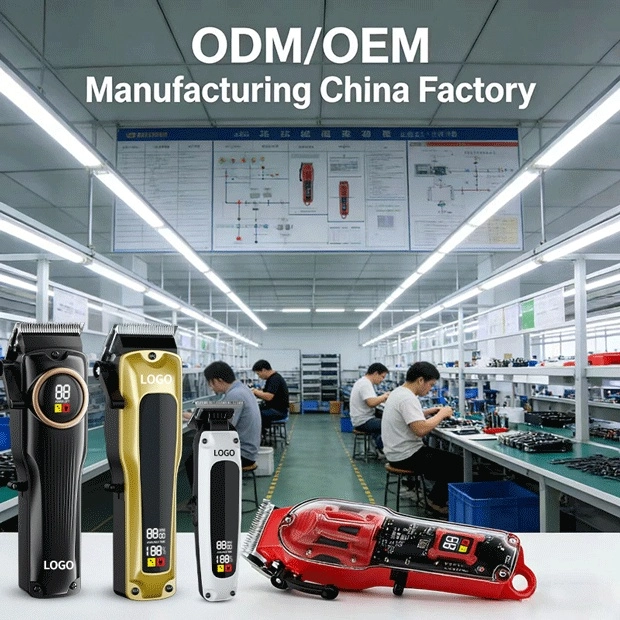
SUOKE Electric stands out as a dedicated supplier of high-quality home appliance products and services to customers around the world. They specialize in grooming tools like electric hair clippers, trimmers, and shavers, offering one-stop OEM/ODM solutions. With a focus on safe, reliable, and eco-friendly designs, they blend solid production tech with practical features—think USB-rechargeable models, washable builds, and user-friendly extras. Whether you’re launching in the US, Europe, or elsewhere, their setup delivers consistent quality and customization without the usual hassles.
Getting your own barber tool line rolling with electric hair clippers doesn’t force you to construct a whole factory. A smart OEM/ODM tie-up puts experienced manufacturing behind your name. Choose a supplier strong in grooming work. Follow a clear custom path. Rely on serious quality steps. You reach customers quicker. With stronger products. And far less gamble. Contact a professional hair clipper manufacturer like SUOKE Electric to talk details. Your ideas paired with their know-how. That mix turns concepts into stocked shelves full of tools barbers reach for again and again.
OEM sticks mostly to the supplier’s ready designs. You add your branding and minor adjustments—perfect for getting to market quick. ODM creates everything new just for you. So your electric hair clippers end up with fresh features and a look that’s truly yours.
Count on three to six months total. Prototypes take four to eight weeks. Then production plus shipping adds another 45 to 90 days once you approve the final sample.
Ask about their check points. Material arrival tests. Mid-build inspections. Final random pulls. Push for waterproof trials (IPX7 on washable ones), battery endurance runs, and cert papers (CE, RoHS). A solid partner shares proof and catches problems before they ship.
Definitely. Lots of partners keep MOQs flexible—often 1,000 to 3,000 pieces for startups. That lets you dip a toe in the market without stacking huge inventory.
SUOKE carries real experience in grooming gear. They handle full customization from sketches to boxes. Their track record shows dependable, loaded products—rechargeable, rinse-ready clippers and more. The whole process stays simple for brands selling anywhere.