
Cordless hair clippers serve as key tools for barbers and stylists. These workers value freedom and speed. The lack of cords lets experts move freely around customers. This setup gives exact cuts without issues from power lines. Such ease works alongside strong output. Experts want their devices to offer steady power and cutting pace during every job. Still, a common problem remains. Many people notice that their hair clipper loses power fast, mainly after several months. This trouble often comes from battery wear and power flow problems. These factors cut down on steady work during long sessions.
The quick drop in clipper work usually ties to inside power and machine issues. These reduce energy use as time passes.
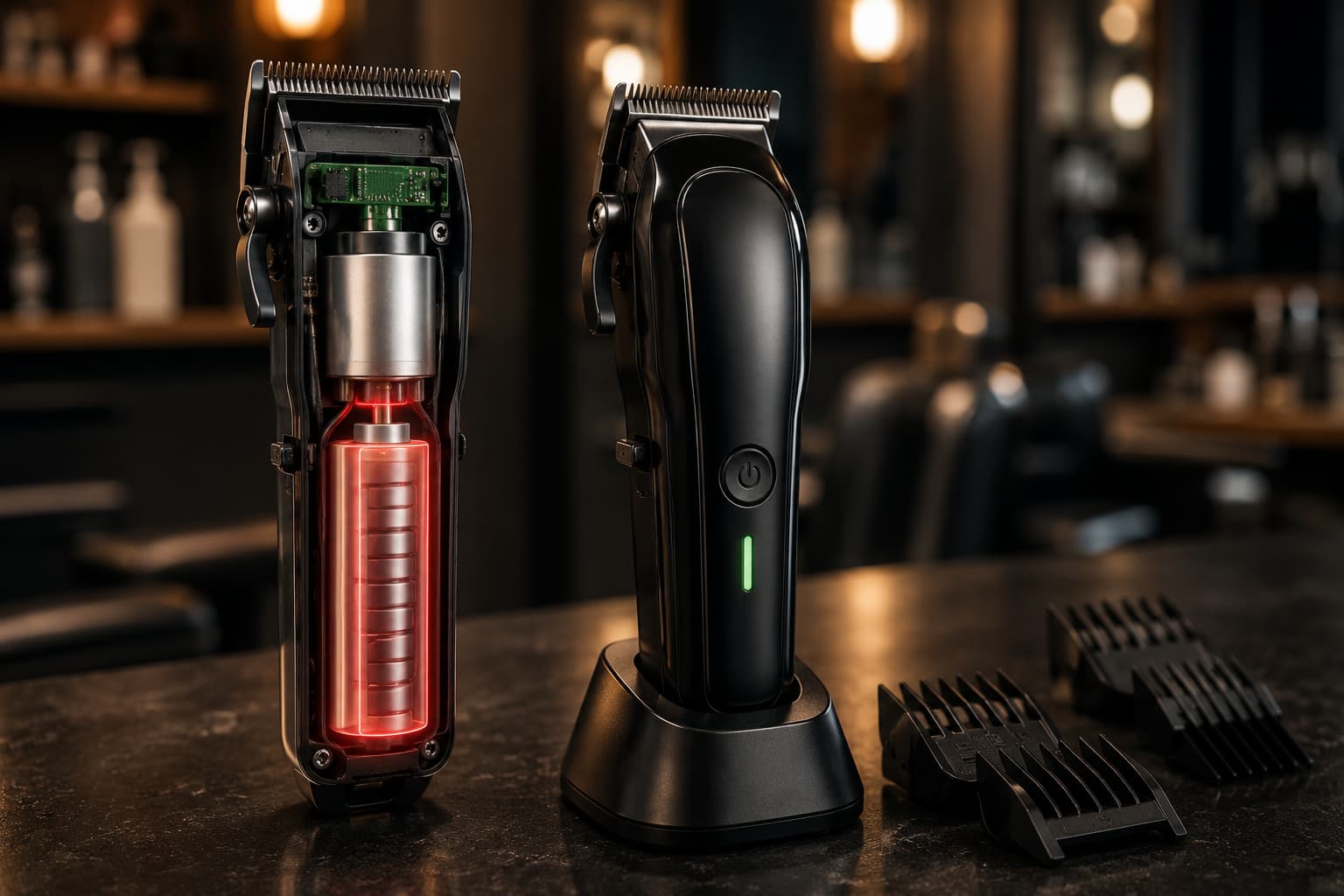
Most cordless clippers use lithium-ion or nickel-metal hydride (NiMH) batteries. Lithium-ion types stand out for strong energy storage and low weight. NiMH options shine for their steady nature. Yet, both types wear out with many charge uses. Each use cuts the cell’s charge-holding skill a bit. This leads to less running time as the battery gets old. Heat from charging or hard work speeds up this wear. It breaks down the inner chemical parts. Also, voltage drop happens. This means output voltage falls as the battery empties. It makes power seem low even if some charge stays. This drop grows worse as inner block builds in aged cells.
In top clippers for work, strong motors aim to slice thick or rough hair with ease. But these motors need lots of current when under pressure. If blades get blunt or full of hair, rubbing grows. The motor then pushes harder and pulls more current from the battery. This extra load causes quick drain and heat rise. Such heat adds more strain on the cells. The motor’s build—brushed or brushless—shapes how well it turns power into movement. Brushless types keep even power with less waste. They might need better control parts, though.
Outside of inside build, surroundings matter a lot in how long a cordless clipper holds its charge. Batteries react strongly to heat levels. Cold spots cut available power since chemical actions slow. Too much warmth speeds damage to inner parts like rods and liquids. Workers who run their tools all day also shorten battery life. They do this through many small drains and refills. Bad charging ways—like keeping it plugged overnight—add overcharge stress. This cuts long-term storage. Plus, keeping a clipper full or empty for long times can cause lasting loss. It happens due to chemical shifts inside the cells.
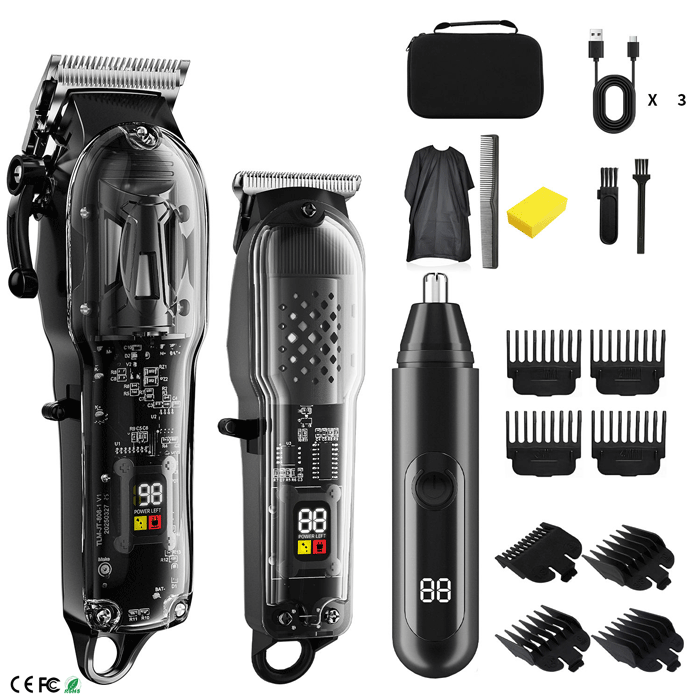
Skilled barbers use steady care steps. These boost battery work and machine steadiness.
Experts skip overcharging or full draining of their clippers’ batteries. Both ends speed wear on lithium types. Instead, they follow set charge plans. These keep power between 20% and 80%. This lowers strain on inner parts. Sticking to maker’s chargers gives steady current flow. It’s made for exact battery types. This avoids heat or uneven cycles that cut life short.
Before looking at care jobs, note how machine upkeep ties to power work.
Blade Care and Lubrication Habits
Keen blades lower push during cuts. This lets the motor run at less power pull. Cleaning often clears stuck hair bits. Those would add drag on parts that move. Putting oil on blade sides cuts rubbing more. It aids smooth work and keeps blades sharp. It also helps motor steadiness.
Internal Cleaning and Component Inspection
Hair build-up in air vents blocks flow. This causes heat rise—a bad thing for circuits and batteries. Regular clearing of junk keeps heat even. Checking links for rust or loose spots ensures good power pass from battery to motor. Weak links make voltage falls that look like power end signs.
Workers switch between several cordless clippers in a day. This avoids steady strain on one battery. They change speed based on hair kind. They avoid full speed when not needed. This saves power without hurting cut level. Watching run times spots falling storage early. Then, batteries swap out before full stop halts jobs.
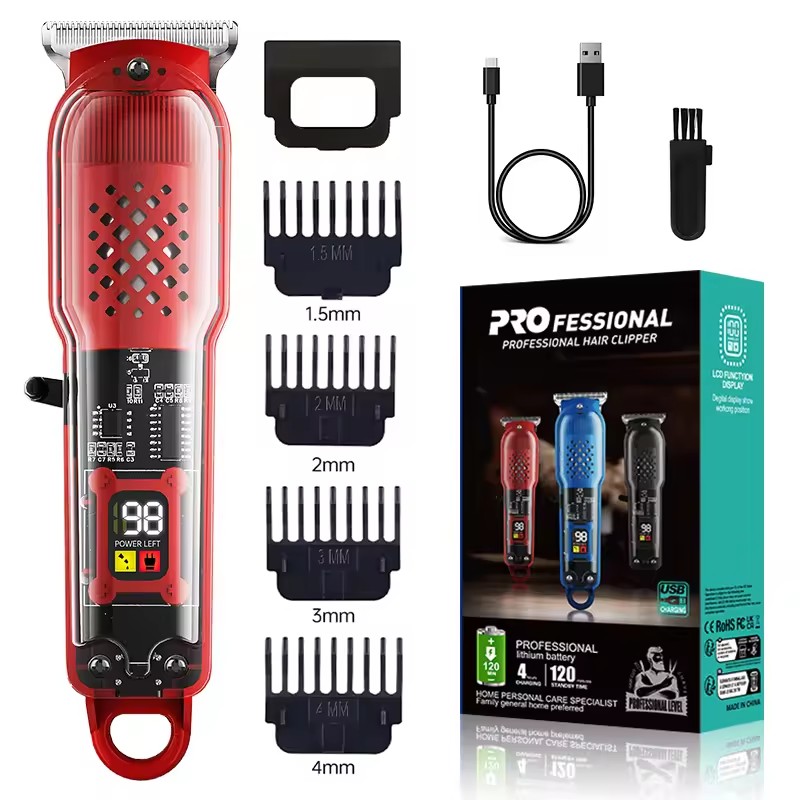
When a cordless clipper battery dying shows up in work time, key hints point to its fade.
A usual mark is less run time after full charges. A clipper that once went hours now quits after half. Another hint is uneven cut speed. Motors might jump or stop briefly as voltage wavers under work.
Body changes like battery swell show gas build from chemical breaks. This is a big safety risk. It needs quick swap. Too much heat in use or charge points to higher inner block in old cells. Lights might blink odd or skip full charge steps. Circuits spot wrong voltage flows.
New tech gives workers ways to stretch work time. They keep easy carry.
Today’s lithium-polymer (Li-Po) sets hold more energy than old lithium-ion. They stay steady under big loads. Some work models have switchable batteries. This lets fast change between customers. It keeps jobs going even if one set runs low mid-way.
Makers add smart power chips more now. These control output based on live needs. They stop too much current pull while keeping even power for different hair thicknesses. Smart motor plans steady speed. They shift input voltage by feel from cut push-back.
SUOKE Electric has built a solid name among grooming tool makers around the world. The firm centers on making strong cordless hair clippers. These focus on lasting build and easy hold during long jobs. Their plans highlight tough motor setups with new battery tech. This fits steady use in salons. Through steady new ideas in exact parts and smart power links, SUOKE Electric keeps giving fixes. These hold power well after daily hard work. They make a sure choice for workers who want trust in each cut.
Battery wear in cordless grooming devices comes mostly from chemical fade. It joins bad use ways and weak care steps. Skilled workers who stick to firm routines—like right charge times, steady cleaning, oiling, and even job spread—can stretch work life a lot. They keep top output in every job. Picking high-end gear from trusted sellers like SUOKE Electric brings lasting steadiness. Here, non-stop power sets work skill.
Power drop can come from voltage fall under big work, fading cells, or rising inner block in the battery set.
Swap times differ by how often you use it. But for work tools under normal runs, it happens every 12–24 months.
Always plugged charging hurts lithium batteries. Better to unplug after full to keep storage strong over years.