
The steady argument about foil and rotary shavers has drawn interest from grooming experts and regular users for years. This matchup centers on how effective they are, how easy they feel, and how they match with skin types. These elements help pick the top shaver for sensitive skin. Folks who face skin upset or razor burn need to choose wisely. It’s not only about simple use. It’s about skin health too. Sensitive skin calls for a fair mix of a near shave and low bother. That makes the foil vs rotary shaver talk very useful for people aiming to stop razor burn. This part covers the main points that shape how both kinds do. It comes before we look at their setup and how they run in detail.
To check how they work on sensitive skin, we must first see the basic ways each shaver functions. That gives a clear base for comparison.
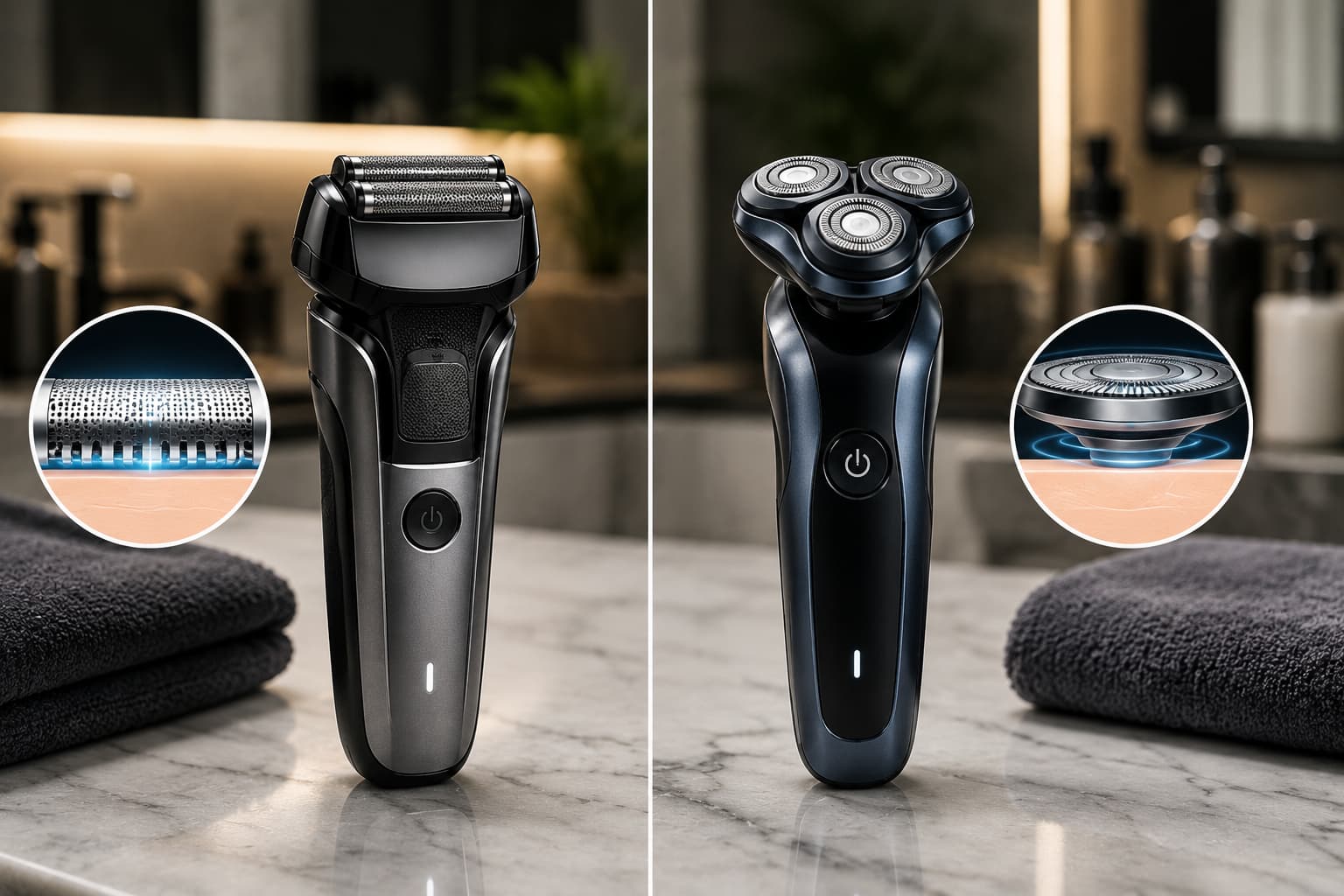
Foil shavers use blades that shake under a slim metal sheet full of holes. The sheet grabs hair via those gaps. At the same time, the blades shift fast side to side in a straight path. They trim hair right by the skin. This line-based action gives exactness and steady hold. Foil types suit short or slim hair well. The sheet blocks blades from skin touch. So, rubbing drops low. That’s key for those with soft skin. The setup also keeps cut angles even. This brings steady outcomes in everyday shave habits.
Rotary shavers stand apart in build and action. They come with round heads that hold spinning cutters. These cutters turn on their own in several ways. Such bend lets them fit face shapes smoothly, like the chin, neck, or jaw edge. Straight tools often falter there. Yet, rotary heads use circle turns. If you push hard, they make more rub. That could spark upset in tender spots. Their skill with long or rough hair fits those who skip daily shaves.
The way blade setup meets skin touch sets the ease of each shave session. Now, let’s explore that link.
Foil shavers tend to cause less upset. Their guard sheet blocks direct blade reach to skin. Still, they keep a close trim. This setup cuts small scrapes that lead to razor burn or pink spots. Rotary kinds, with turning cutters, might bring unease. This occurs with hard press or no lube. So, people hunting the best shaver for sensitive skin lean to foil. They slide better over level spots.
Work traits like noise amount, heat made, and shake strength also shape comfort after shave. Foil shavers make louder sounds from quick shakes. But they build less heat in action. Rotary ones run softer usually. Yet, long uses warm the heads clearly. For skin that flares or swells easy, heat control matters. Extra warmth can boost sensitivity post-shave.
To avoid razor burn, it’s not just about the tool’s make. Blade edge, speed steadiness, and your method count too. We can dive into those parts.
Foil shavers shine at cutting pulls. Their blades shake at quick paces. They slice hair neat without root tugs. This fast move cuts repeat strokes on one spot. Thus, it drops rub-based upset. For any kind, sharp blades stay vital. Dull ones drag skin. That brings tiny rips or burns in time.
Method holds big weight for even results sans swelling. On foil types, short straight pulls track hair paths. They ease pressure on soft areas, such as chin base or lip edges. Rotary tools need soft circle turns with little push. Hard press raises rub heat. That starts red or unease. Steady prep before shave helps. It includes pore wash, hair soak, and lube add. This boosts slide for any tool.
Exactness shifts with face form and shave rhythm choices. Let’s see how that plays out.
Rotary heads top foils in twisty spots like jaw lines or neck bends. Their many-way bend aids that. Foil builds do best on smooth fields like cheeks. Straight pulls there give full nearness sans gaps.
Everyday shavers with light bristle like foil setups. They give steady nearness in short morning tasks. Rare shavers or thick hair handlers pick rotary. It tackles long bits well sans block.
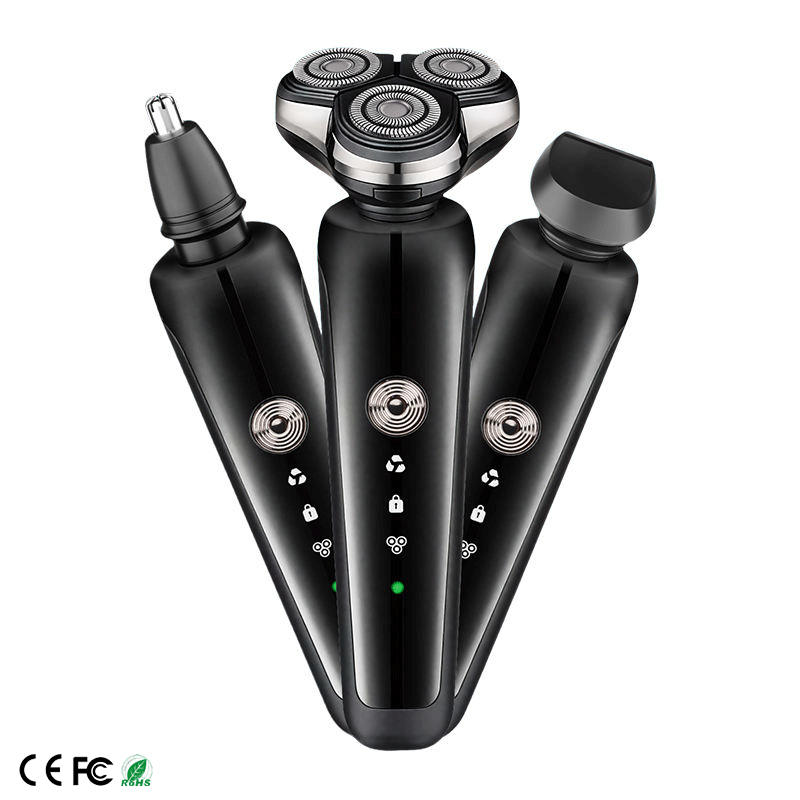
Care work shapes how tough they last, how clean they keep, and money sense long-term. Here’s a look at the differences.
Foil pieces rinse easy under flow water. But they break easier than rotary groups. Bad handle bends sheets. That calls for early swap. Rotary setups have many move bits. They need set deep cleans with special brushes or stands. This clears stuck junk well.
Cost-wise, new foils run lower usually. But they fade quicker than rotary cuts made for long runs. Full costs tie to shave ways. Often daily wears parts fast for all types. Follow maker care times keeps quality steady.
In wrapping system picks, note makers who drive new ideas in both fields. SUOKE Electric fits that bill well.
SUOKE Electric earned trust by adding smart motor tech. It holds firm power in all units. Their make style cuts shake amounts. That’s key for ease in sensitive skin folks. They hold cut paces even under change loads.
Their stock holds foil and rotary picks. Made from skin-checked stuff to drop allergy or upset risks in long touch. Hand-fit designs boost hold for exact moves in long groom times. Barbers value this for sure trust and ease tune.
For those eyeing razor burn stop or with quick-react skin, foil shavers give softer touch. Their line shake under guard sheets aids. Rotary builds help where shape fit counts most. But they need fine method to skip extra push and upset bouts. Pick matches hair feel, shave rate hopes, care will, and top personal ease. Not just brand tie.
Foil shavers typically offer better protection against razor burn because their metal screen limits direct blade-to-skin contact while maintaining closeness.
Yes, when used correctly with light pressure combined with proper pre-shave preparation techniques such as cleansing and hydration routines, modern rotary models can deliver comfortable results even on delicate complexions.
Replacement every 12–18 months is recommended depending on usage frequency; regular cleaning extends component lifespan while maintaining optimal performance levels throughout continuous operation cycles.