
A clipper can look right in a wholesale catalogue and still leave a barber reaching for another tool halfway through a cut. For your next order, the useful question is what the machine must do at the chair. This hair clipper guide examines three buying traps: confusing cutting jobs, treating feature labels as performance evidence, and comparing prices before the kit is defined. Each can put an unsuitable product on your shelf.
The cutting job sets the first boundary. Removing bulk across the head calls for a different working approach from outlining a neckline or shaping the edge of a beard. A package described as a grooming set may cover several jobs, but the name alone does not tell your customer which tool handles each one.
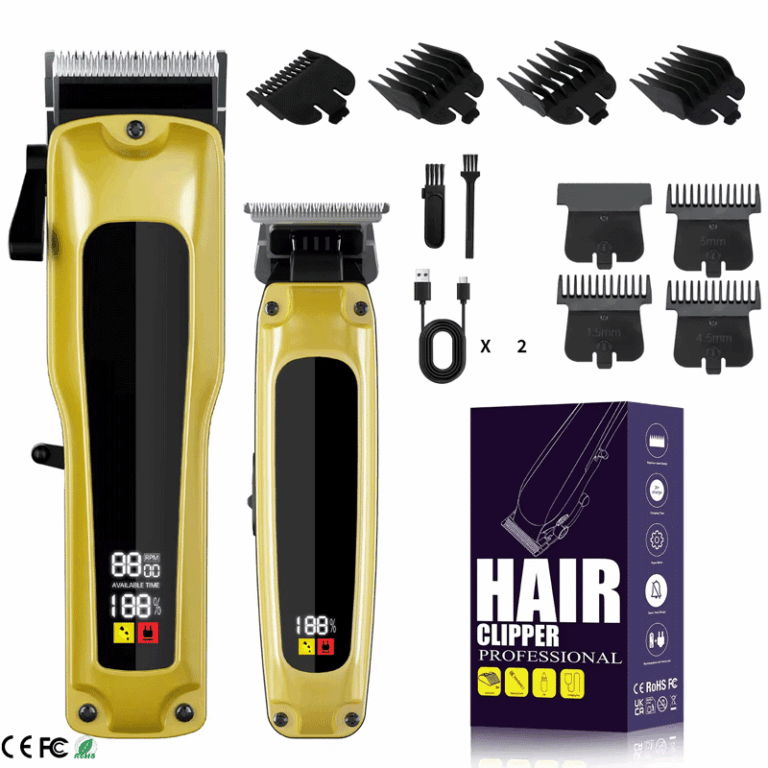
An assortment needs a clear role for every machine. For a barber-supply distributor, that might mean a main clipper for haircuts and a separate trimmer for close detail work. A beard-focused retailer may need a different mix. Buying two similar-looking machines is useful only when the differences serve an actual task. Otherwise, you have duplicated stock.
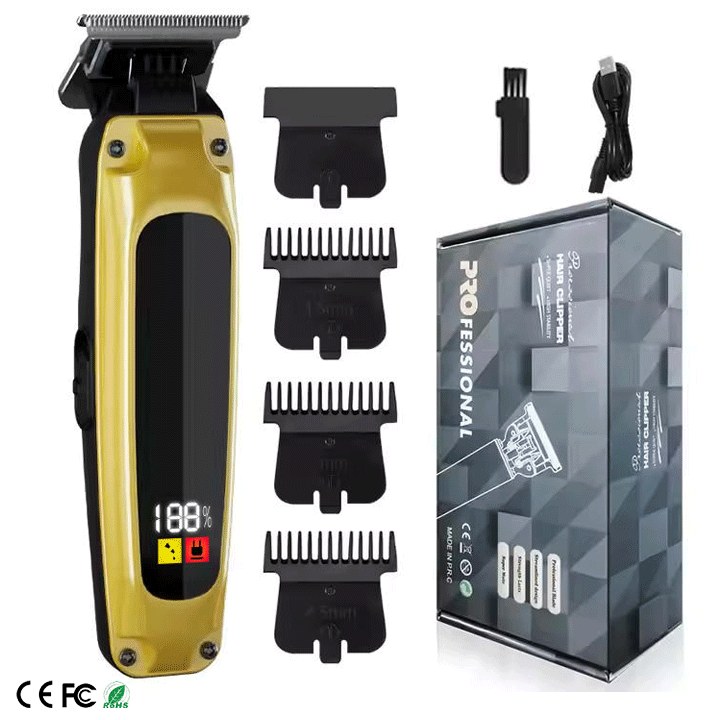
The phrase पुरुषों के लिए सर्वश्रेष्ठ ट्रिमर needs that same context. Our SUOKE cordless USB-rechargeable salon set is one configuration to discuss when matching a hair-and-beard assortment. Its charging description identifies a feature; it does not establish the blade’s cutting length, the supplied guards or suitability for every beard style. Those details belong in the configuration you approve.
A sample brief should describe the intended cut in ordinary language. “Remove bulk, then tidy the neckline” is more useful than “professional quality.” Add the guard lengths your customers use and whether a second tool is acceptable. This gives your sample review a concrete question to answer without pretending one machine suits every service.
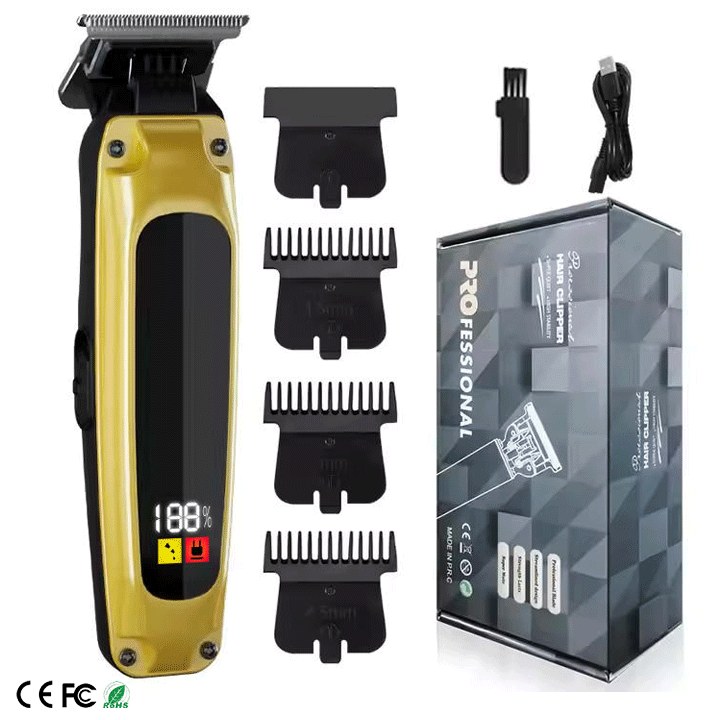
Visible features are easy to compare on a screen. Blade geometry, cutting behaviour and the feel of a machine through a full service are harder to judge from a product photograph. That imbalance makes a bright display or an impressive blade label an easy substitute for evidence.
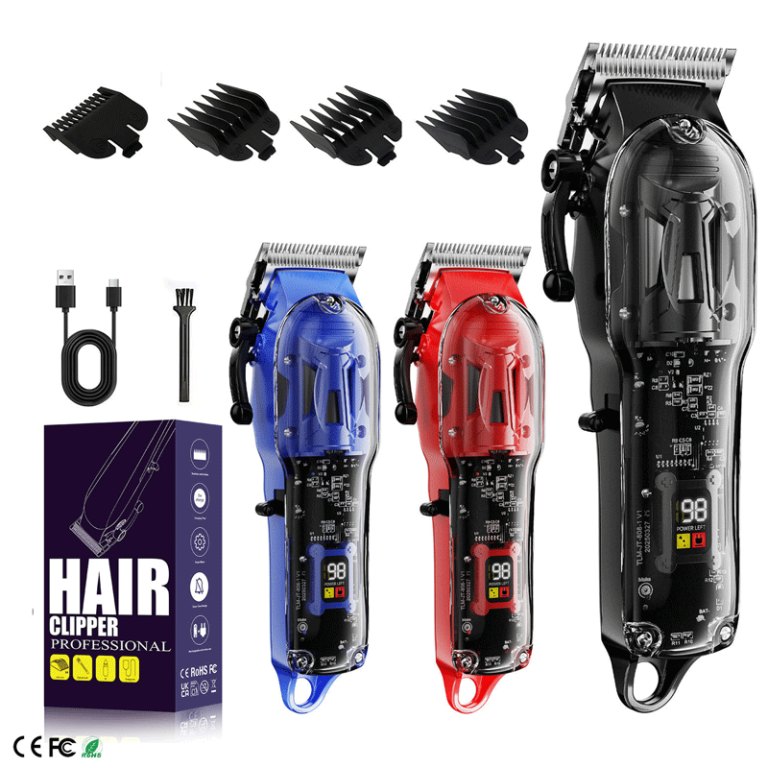
हमारा एलसीडी हेयर क्लिपर offer a relevant example: an LCD-equipped wireless salon model belongs on a shortlist when your customers value a display. The next question is what the display actually reports. Battery information, a speed setting and a maintenance reminder have different uses. Confirm the functions for the exact version before describing them in your own catalogue.
A ceramic blade is another feature that needs a narrow interpretation. We offer a rechargeable ceramic cutting machine with an LED description, but the material name does not establish its cutting performance against a different model. Without comparable operating conditions, there is no sound basis for declaring either machine the winner.
The following distinctions keep a sample review focused. These are questions to resolve, rather than claimed test results.
|
Advertised feature |
What it identifies |
What your review still needs |
|---|---|---|
|
LCD |
A display-equipped model |
The information shown and whether it is readable during use |
|
यूएसबी रिचार्जेबल |
A charging arrangement |
The required power input and supplied charging accessories |
|
Ceramic blade |
A blade-material description |
Cutting behaviour and the correct replacement assembly |
A useful comparison keeps the cutting task consistent. Record the chosen guard, the sample’s condition and the work being assessed. If one sample is used for bulk removal and another only for outlining, the observations answer different questions. Keep impressions such as grip comfort separate from measured values; neither becomes stronger by borrowing the other’s language.
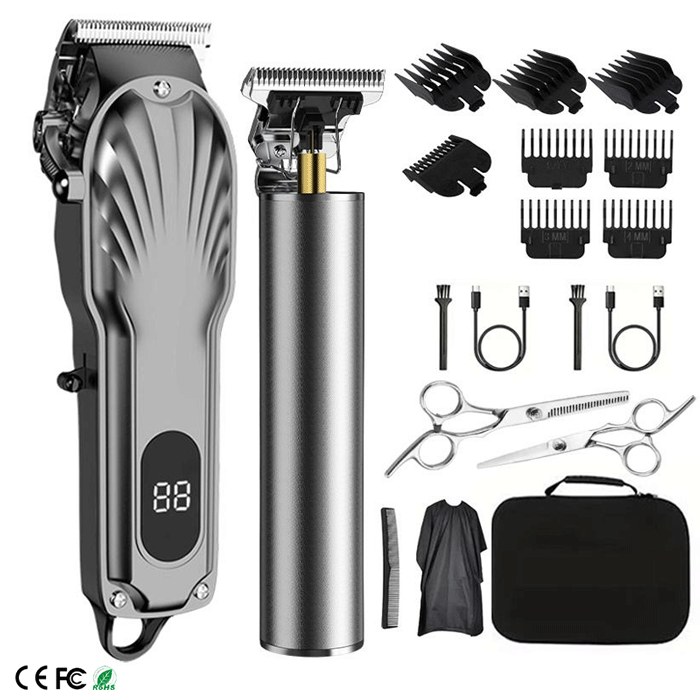
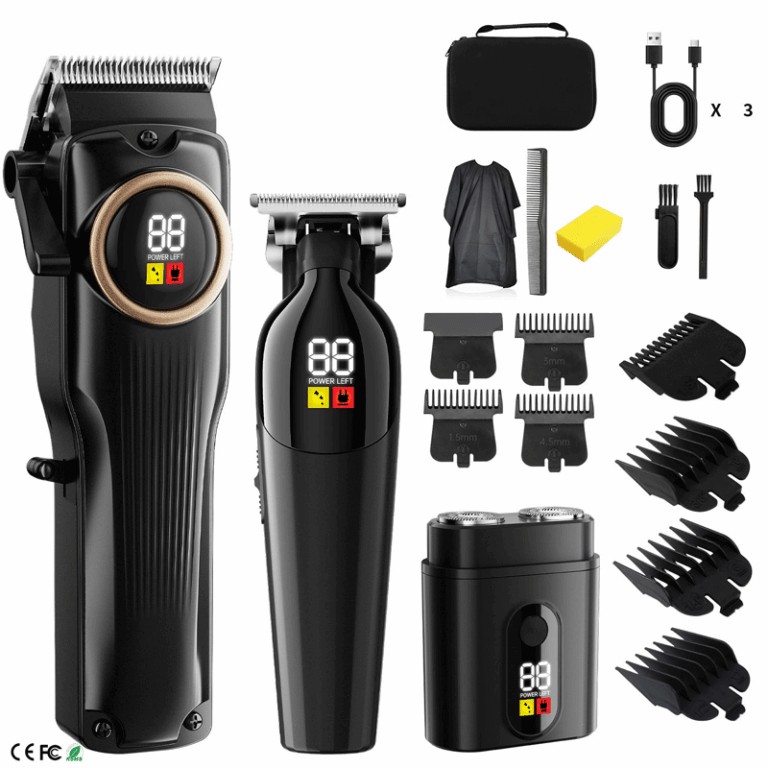
Price becomes comparable once the contents are fixed. A bare machine and a boxed salon set can look like competing offers while leaving your customer with different items to buy. The gap matters when a barber opens the carton and cannot perform the intended service with what is inside.
Your definition of the सर्वश्रेष्ठ बाल काटने की मशीन should therefore include the working kit. For our rechargeable ceramic model, confirm the exact blade assembly, guards, charging items and packaging before comparing an offer. Do not infer those contents from a nearby product photograph or another version of the same family.
Replacement parts deserve the same attention as accessories in the first carton. Ask which blade and guard references fit the selected version, and how replacements can be ordered. A part that looks similar is not sufficient evidence of compatibility. Record the reference against the product you intend to stock.
A simple cost comparison uses one agreed bundle throughout. Compare the machine, required accessories and any separately purchased items needed for the intended job. Leave uncertain costs visible until confirmed. There is little value in a precise total that quietly leaves out a charging accessory your customer needs.
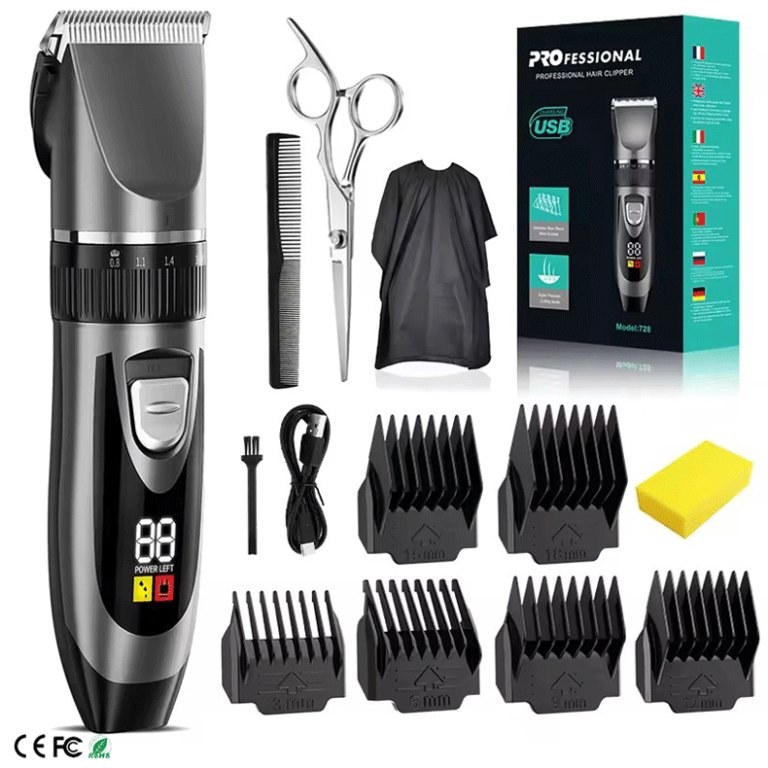
A workable shortlist connects a cutting job to a defined model and kit. First remove options that cannot cover the intended task. Then resolve the feature claims that affect use, and compare prices on matching contents. Your customers gain a clearer choice, and your sales team has specific reasons for recommending each configuration.
Share your intended haircut or beard service with our SUOKE team when discussing a sample. We can discuss the relevant configuration and the details you need to confirm before ordering.
That depends on its tools and the finishing task. Check the actual cutting heads and intended uses before removing a separate trimmer from your assortment.
No. Confirm the model’s required electrical input and charging instructions. The presence of a USB connection does not establish compatibility with every available power supply.
A photo helps identify a configuration, but your agreed packing list should name the included guards. Keep that list with the selected product reference.
Capacity alone cannot tell you how long a complete machine will cut. Runtime needs model-specific conditions, including the operating setting and whether the figure describes loaded use.
Keep its model reference, agreed contents and the observations from the intended cutting task together. That record gives your next order a specific configuration to match.