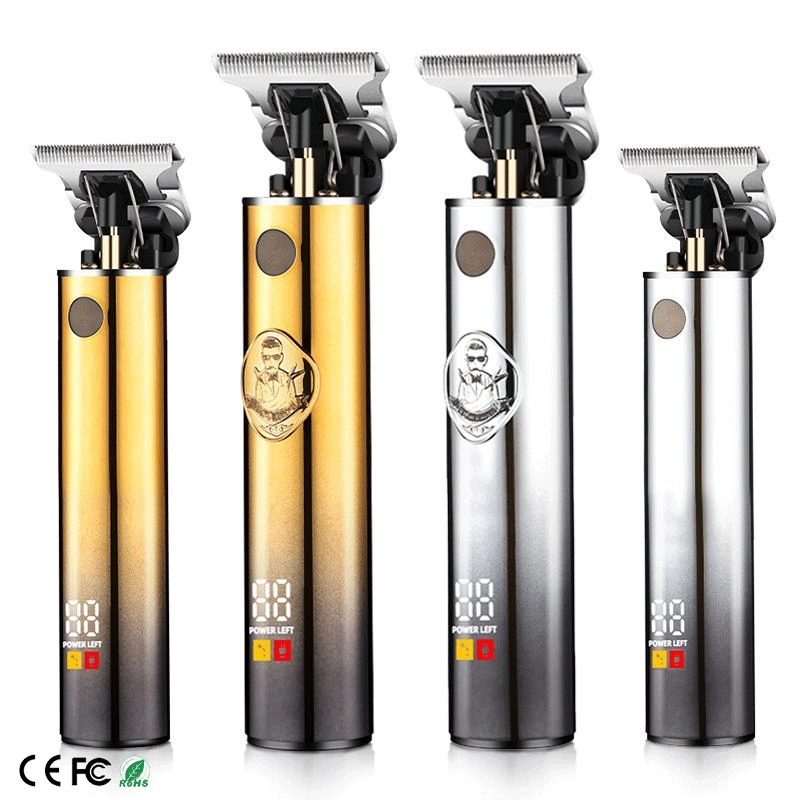
Ever see a barber nail a super clean lineup? Sharp edges. No fuzz. Crisp lines all around. Most times, zero-gapped hair clippers make that happen. These tools cut way closer to the skin than regular ones. They give cleaner outlines, smoother blends, and that just-got-cut fresh vibe people love. In barber shops, zero-gapping isn’t some extra step. It’s basic for guys who demand tight precision without fighting the tool.
This guide lays it out plain. We explain what zero-gapping means. Why pros depend on it. The real upsides for daily cuts. Plus a simple way to set it up yourself. If you’re a barber looking for solid tools or just a guy fed up with sloppy home edges, you’ll know exactly why these clippers matter.
Zero-gapping shuts that tiny space between the fixed blade and the moving cutter. Fresh out of the box, most clippers have a small gap. Maybe the width of one hair. Or two. That space keeps things safe. It stops blades from rubbing hard or overlapping. No nicks. No quick dulling.
Zero-gap means you tweak things so the cutter blade sits level with—or almost level with—the top of the fixed one. Look from the side. No gap shows. The clipper now slices hair right at skin level. Think super tight fades. Bald edges. Sharp beard shapes. It’s not turning the tool into a straight razor. It’s about control and getting super close.
Barbers do this most on T-blade trimmers. The T shape slips into small areas—around ears, along necklines, at temples. Zero-gapping boosts that for fine detail jobs.
Pros don’t settle for okay cuts. They zero-gap because it flips the script.
Sharper lines come first. No gap means cleaner slices through hair. Less pulling. Fewer strokes over the same area. One old-school barber mentioned he shaves 10 to 15 minutes off every fade thanks to smoother blade work.
Fades look better too. Zero-gap blends guard sizes without harsh steps. A size 1 and size 2 flow right together. Clients leave with gradients that seem painted on.
Closer cuts happen with less hassle—if you set it right. Blades grab hair efficiently. You skip extra passes that scratch skin.
Speed counts in a packed shop. Zero-gapped tools clear detail faster sometimes. Less drag equals quicker jobs. A shop owner said his team turned chairs 20% faster after switching to zero-gap detail trimmers.
Picture a busy Saturday. A barber grabs a zero-gapped T-blade for neck cleanups. Clients rave about the smooth, bald feel. No burn. Word gets around. More bookings roll in.
Sure, it’s not flawless. Gap too tight and blades overlap. They dull quick or nick skin. But get it balanced. The wins pile up fast.
Here are the main gains:
Any catches? Blades wear out sooner if gapped super tight. You oil and check more often. For serious groomers, though, it’s worth it.
Quick side-by-side:
| Aspect | Standard Gap Clippers | Zero-Gapped Clippers |
|---|---|---|
| Closeness to Skin | Leaves light stubble | Almost bald, skin-level |
| Line Sharpness | Solid, but softer | Knife-like crisp |
| Passes Needed | More for neat results | Fewer, speedier |
| Best For | Everyday bulk trimming | Edging, blends, fine work |
| Risk Level | Safer for newbies | Trickier if overdone |
Choose what fits your style. Pros pick zero-gap for that extra edge.
It’s easier than most think. Adjustable clippers let you handle it. T-shaped ones shine here since they’re made for accuracy.
Small tweaks rule. Quarter turns change a lot. Many barbers keep one trimmer zero-gapped just for lining. Another for bulk cuts.
Some models—like the professional cordless men’s T-shaped zero-gapped blades one—come close from the start. Still, fine-tuning makes it yours.
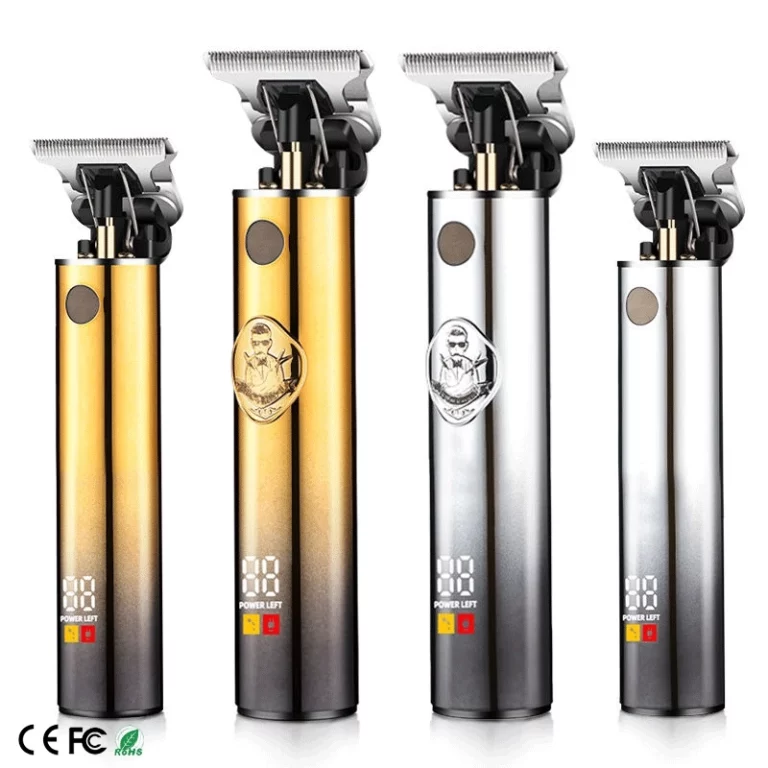
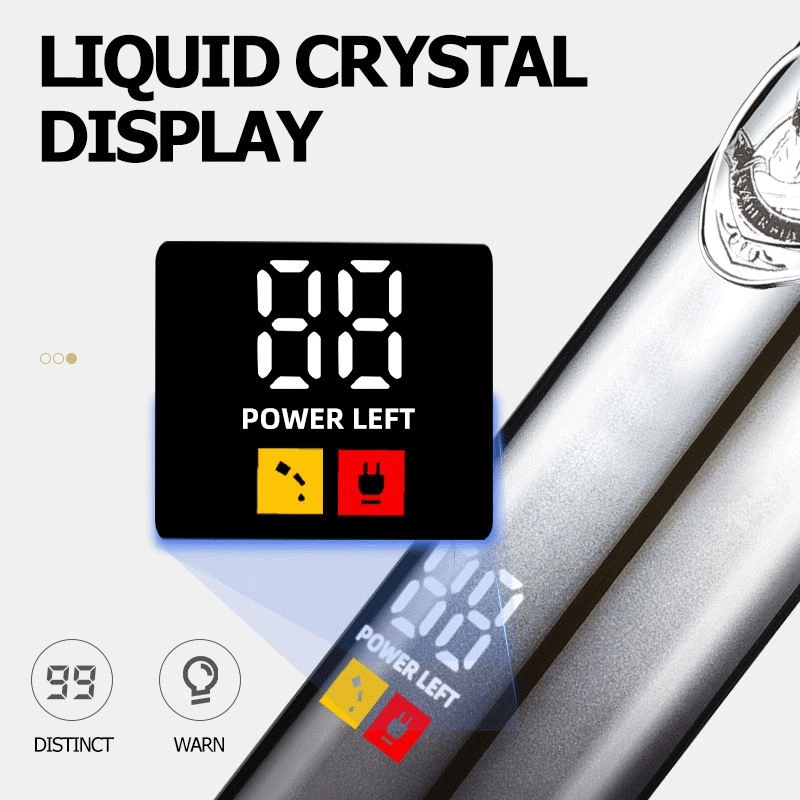
SUOKE makes gear for actual use. Their professional cordless men’s T-shaped zero-gapped blades USB rechargeable LED display beard body grooming hair trimmer barber stands tall. Cordless. USB charging. LED screen shows battery clearly. No cords in the way during cuts.
The T shape nails tight lines and body work. Zero-gapped blades deliver sharp performance out of the box. Barbers appreciate the feel—light for long days, strong for clean passes.
It tackles beards, edges, body hair smoothly. Battery holds through full shifts. LED means no guesswork on power. Built tough. Travels easy or stays shop-ready.
Before we wrap, a quick note on SUOKE Electric. They’re a trusted supplier delivering high-quality home appliance products and services to customers around the world. With strong OEM/ODM capabilities, SUOKE specializes in innovative grooming tools like hair clippers that combine reliability, affordability, and pro-level features. Rigorous quality checks and solid support mean every item—from cordless trimmers to full grooming kits—meets global standards. No matter if you’re in the US, Europe, or beyond, SUOKE offers one-stop solutions for premium, dependable appliances.
Zero-gapped hair clippers aren’t just talk. They’re a real step up for precision cuts. Barbers count on them for clean lines, easy blends, and faster jobs. At home, a little adjustment gets you pro results. Gear like SUOKE’s T-shaped model makes it straightforward. Try zero-gapping. Your grooming will level up. Keep it sharp.
Zero-gapped hair clippers have blades set with no space between the fixed and moving parts. This setup cuts super close to the skin. It creates sharp lines and tight fades.
Barbers go for zero-gapped hair clippers because they give crisper edges, smoother fade transitions, and quicker detail work. Fewer strokes cut irritation and speed up shop time.
Yes, if you take it slow and careful. Make tiny changes. Clean blades first. Test often. Start loose—too tight can nick or wear blades fast. Most get the hang after a few tries.
Good ones feature T-shaped blades, cordless setup, solid battery life, and extras like LED displays. Easy adjustment and factory-close zero-gap help barbers with daily precision jobs.
Check every couple weeks or after heavy use. Blades wear down over time. Re-tweak if lines soften or pulling starts. Regular oiling keeps that zero-gap performance strong longer.