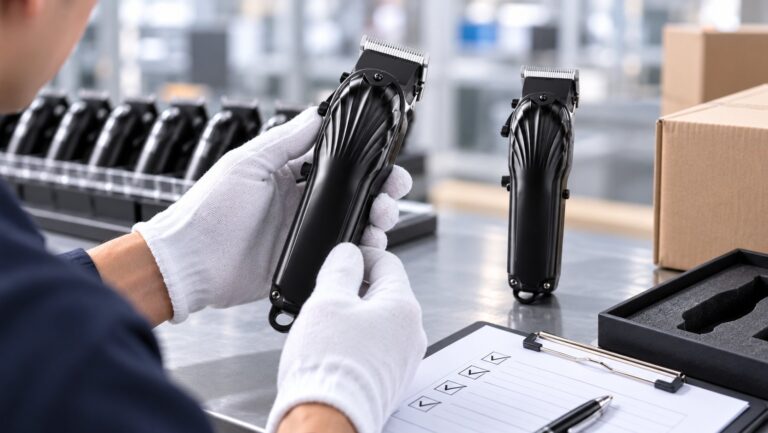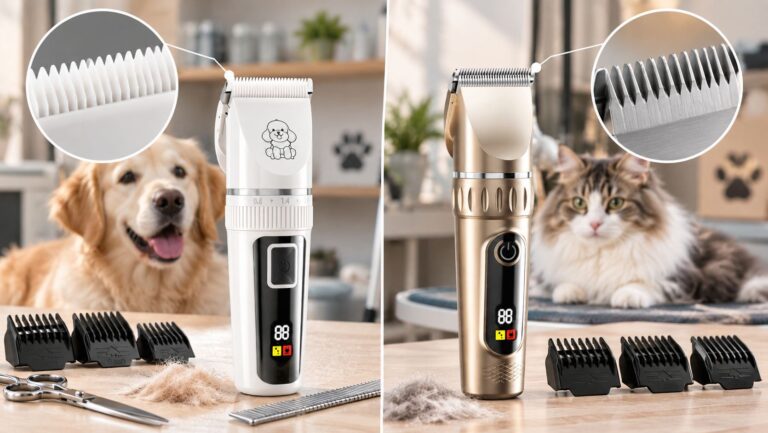

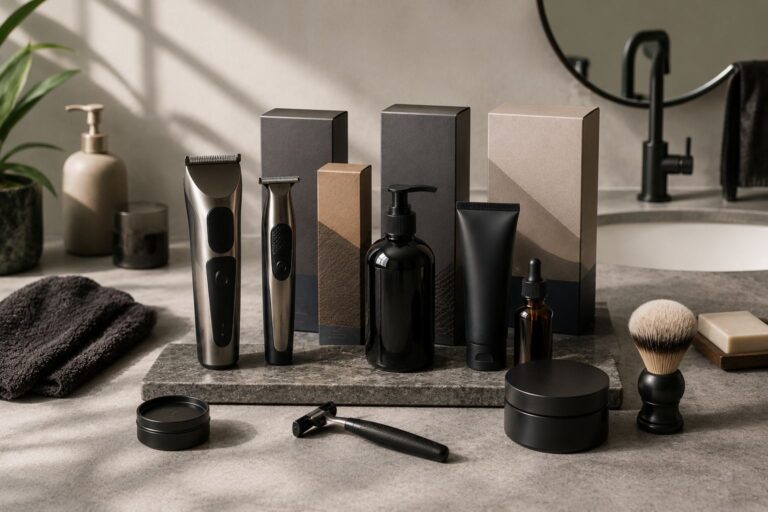
Importing grooming products looks simple when a quotation only shows unit price, tooling, and freight. That gap can quickly turn planned margin into avoidable launch loss risk. In practice, electric shavers, hair clippers, trimmers, and pet groomers carry extra costs tied to compliance, batteries, packaging, inspection, customs, returns, spare parts, and supplier coordination. Importers, Amazon sellers, distributors, and brand owners need to identify these hidden import costs before deposits are paid, because one missing document or weak accessory can delay clearance, raise storage fees, or damage reviews.
Early costs such as procurement and processing charges before a product is shipped from a factory, are often overlooked and not disclosed in basic proforma invoice, yet they form part of the total actual landed cost.
Private label grooming tools often need sample fees, logo molds, color matching, blade changes, retail packaging artwork, manual translation, barcode testing, and photography samples. If the buyer changes the motor, battery, guard set, charger, or housing after approval, the supplier may need new samples and a revised quotation. These costs are normal, but they should be listed before the purchase order.
A simple order for good quality clippers opens up a lot of possibilities for different versions. Experienced buyers usually fix down for example motor type, blade material, charging or not, voltage, test method for battery runtime, guide comb sizes, degree of water proofing, what accessories are included, carton size and possible deviations from perfect clippers. A signed specification sheet then helps the buyer, supplier, quality control, freight forwarder and marketplace team to work from the same version.
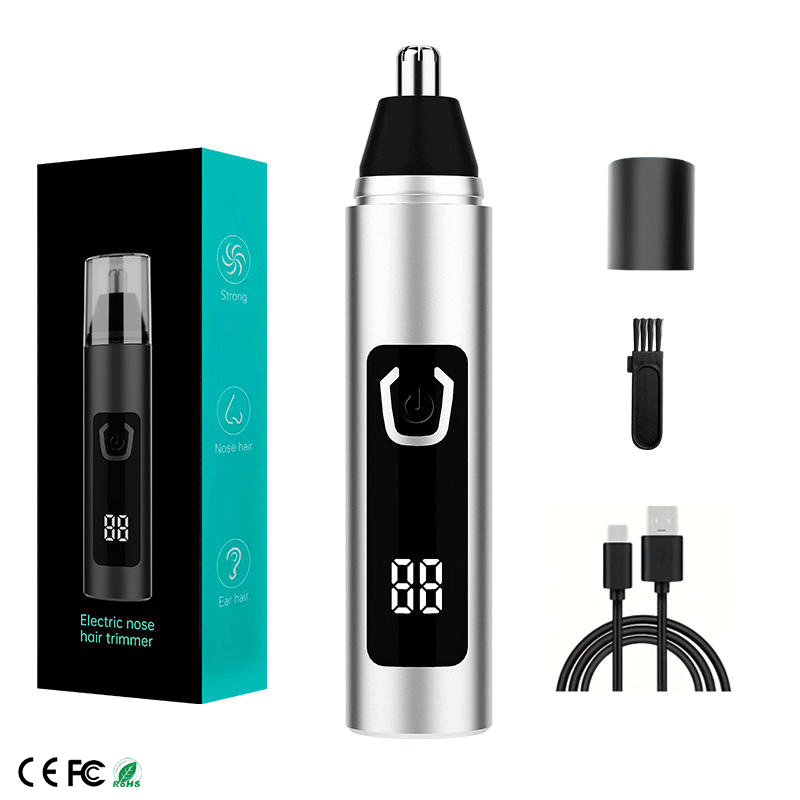
Compliance labeling is more than just a label on a product. It includes testing, technical documentation, and all certificates, user manuals, product declarations and battery records, as well as country specific checks on the market.
Below are the documents that request for the electric grooming product. Bill of Materials. Product Specification. User Manual. Charger Information. Battery Information. Safety Test Data. Inspection Report. Packing List. Commercial Invoice. HS Code Discussion. If shipping to the United States, then importers should familiarize themselves with the Customs and Border Protection documentation requirements where both the importer of record and the true shipper are responsible for accurate documentation for correct and proper customs entry. Consumer products, which are regulated by the federal government, also must comply with CPSC certificate rules.
Cordless hair grooming appliances that contain lithium-ion batteries are usually packaged and bear marks and labels and are usually in a state of full or partial charge. Forwarder’s packing list, air waybill and other transport documents should be inspected. Air freight is usually more restrictive and more expensive than sea freight. In addition to usual inspection for physical and mechanical defects, other features such as digital circuits and wireless functions of products under consideration for export to a particular country should be reviewed for radio-frequency compatibility with that country. CE marking for sale in the EEA is mandatory only for products that fall within certain rules applicable to the EU market.
The term “factory price” usually refers to a single number. However, “landed cost” from the factory gate to a warehouse, a fulfillment center or a retail customer includes all of the movements, costs, etc. along the way.
Common charges to be prepared for as you export are: reinforcement of export cartons, palletization, inland trucking, origin handling, charges for a customs broker, destination port charges, duty, bond charges, warehouse unloading charges, labeling, FBA preparation, storage, and last mile delivery. Small items like grooming kits with chargers, grooming oils, grooming combs, grooms cape, grooming brushes, and cleaning brushes take up a lot of room in a carton for low unit weight products.
Review tariff classification before entering into a mass production program. The Harmonized Tariff Schedule is used to prescribe U.S. tariff rates and to categorize all merchandise which is imported into the United States for statistical purposes. Small changes to products, i.e. battery type, standard accessories offered, etc. and primary functions can greatly affect how a product is to be classified during tariff discussions. It is recommended that importers consult with an qualified customs broker in arriving at a classification rather than relying on previous shipments handled by foreign suppliers.
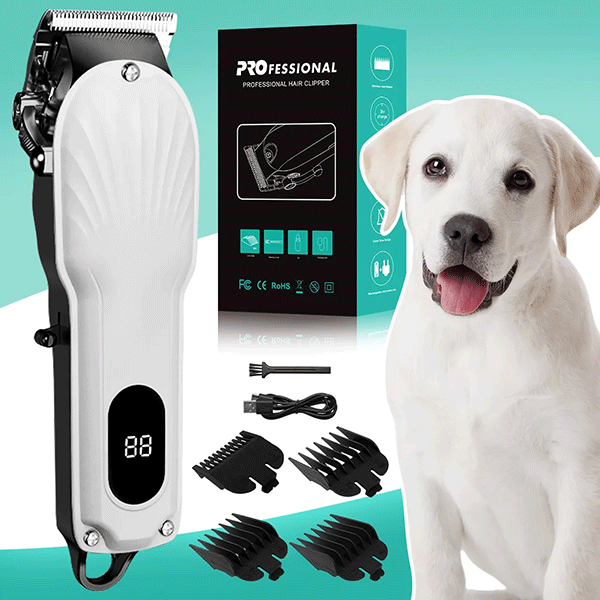
Quality costs appear after production if buyers skip practical testing. Returns, replacements, bad reviews, and chargebacks can cost more than a stricter inspection plan.
Test all features of grooming products such as: blade sharpness, pulling, noise, vibration, heat, switch feel, charger fit, battery runtime, water-resistance claim, guard stability, number of accessories, packaging strength. Run several charge cycles and inspect the blade after cleaning. For testing pet grooming products also test on different hair types, check for noise sensitivity and test comb strength. Approved sample is to be kept for comparison.
Practical Inspection Checklist for Shipping Cartons: 1. Carton drop condition 2. Barcode scan 3. Logo placement 4. Manual language 5. Plug type 6. Charger rating 7. Blade alignment 8. Missing parts 9. Cosmetic marks 10. Start-up test 11. Charging test 12. Accessory fit. For the OEM supplier guide, define major and minor defects before production starts – don’t wait for the inspector to travel to the supplier’s factory.
SUOKE Electric is an OEM/ODM, design, development, manufacturing and distribution of high quality home appliances such as electric hair clippers and shavers and pet grooms as well as other home appliance products and services to customers worldwide. For Importers who are concerned about hidden costs of importing, SUOKE can discuss product specifications, sample approval, accessories, packaging, private label products and production communication etc. As a home appliances development manufacturing supplier to global customers, SUOKE’s website is for customers to contact the company and discuss home appliances manufacturing. These types of suppliers are best to get real feedback from supplier before placing order. Compare details such as specifications and specifications, and documents, prices, terms of delivery, testing etc and after sales service etc.
Importing grooming products becomes more predictable when buyers look beyond unit price. The main hidden import costs usually come from unclear specifications, missing documents, battery shipping, freight structure, tariff classification, inspection gaps, packaging weakness, and after-sales support. A careful importer builds the cost model before ordering, not after goods arrive. A practical OEM supplier guide should connect product design, compliance, logistics, and quality control in one checklist. That discipline helps reduce delays, protect margins, and support repeatable purchases.
Common costs for importing goods to sell on Amazon include cost to test, sample revisions, packaging changes, inspection, freight, duty, FBA prep, storage, items that need to be replaced, and even spare parts.
No, refer to the supplier’s code as a guideline only. Importer must confirm correct classification via a customs broker for the target country.
Lithium Batteries are subject to special requirements concerning packaging, marks and labels as well as battery details and carrier approval. Incorrect preparation causes delays or restricts the choice of forwarding service.
In order to reduce returns the buyer has to test for real use, check the accessories, the manual, the packaging and the bulk goods against the approved samples.
Specifications, sample records, compliance documents, packaging information, inspection criteria, logistics terms, spare parts information, warranty limits, contact responsibilities.