
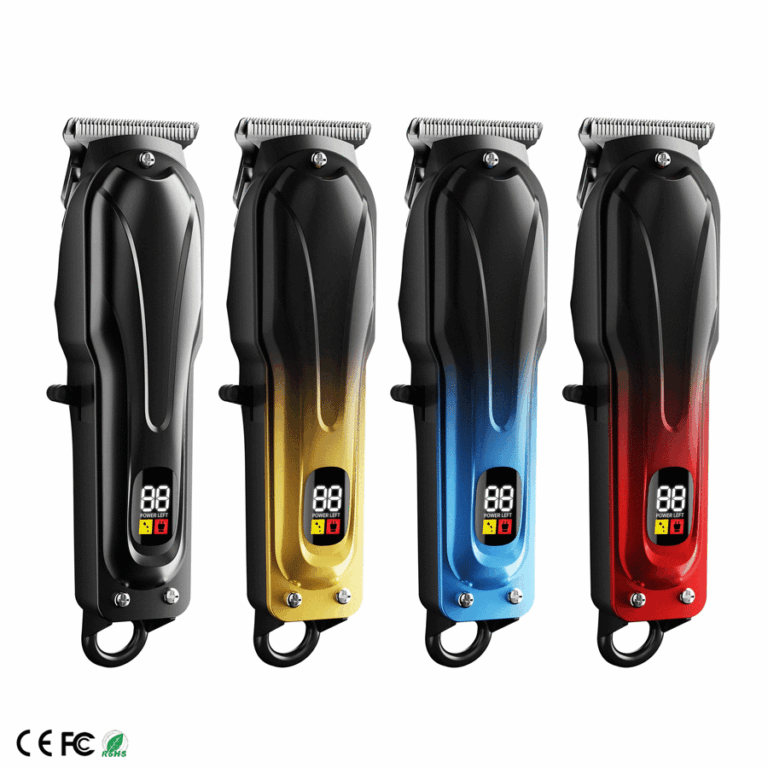
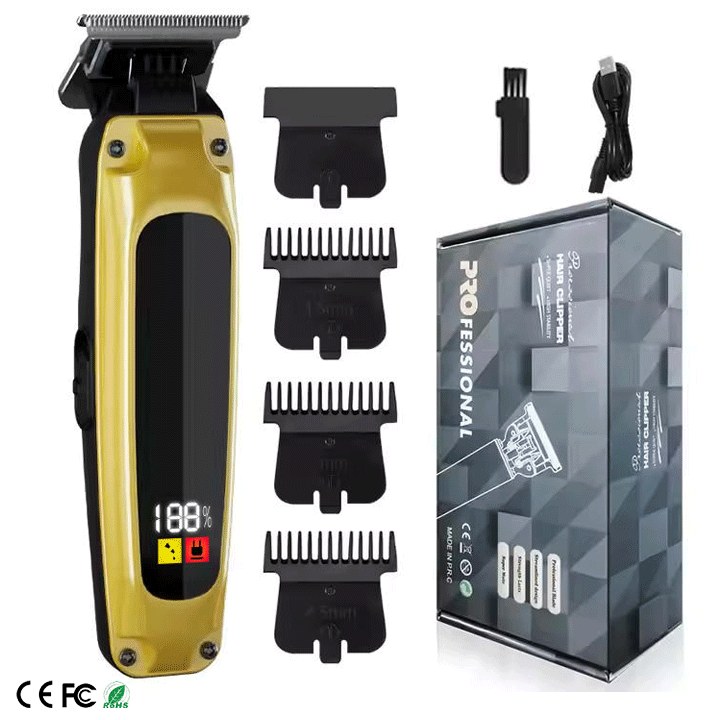
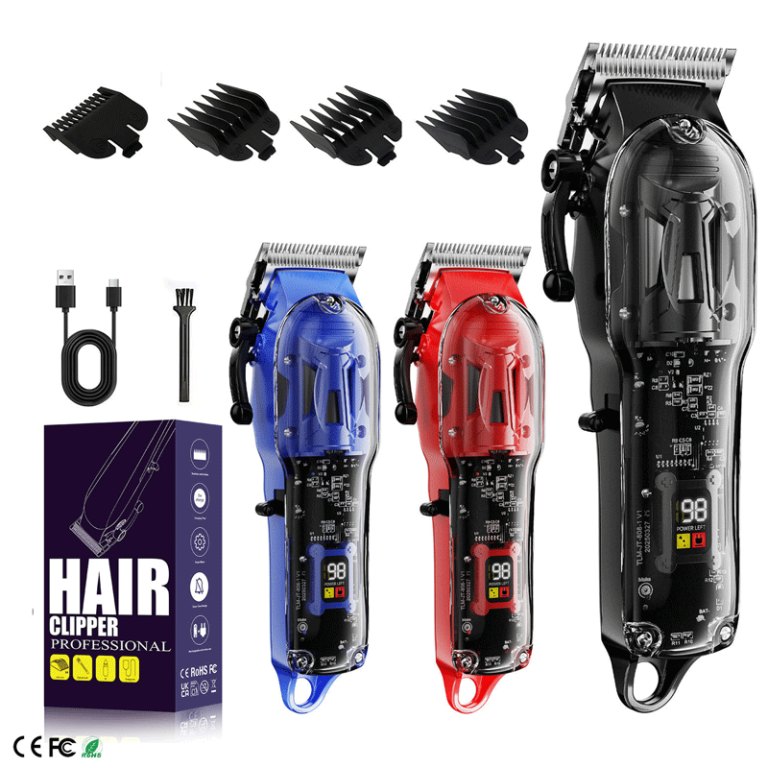
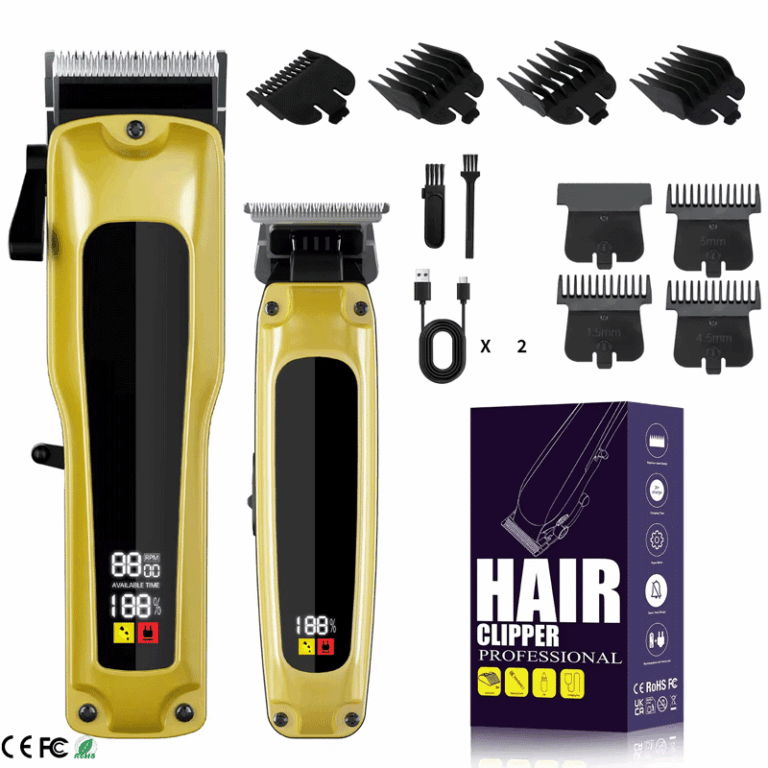
For a barber shop, a clipper earns its place through predictable cutting, manageable service needs, and a configuration that suits the workday. A high rating is useful only when the model behind it matches the shop’s cutting tasks and the supplier can document what is being delivered. For buyers, best professional hair clippers are models that pass those checks. This guide turns “top rated” into a practical evaluation framework for professional buyers and distributors.
Before comparing models, define the jobs. A main clipper may handle bulk removal and clipper-over-comb work, while a trimmer is used for outlines and detail. A foil shaver is a separate finishing tool. Treating tools as interchangeable creates a poor comparison: an edge tool should not be judged as the shop’s primary cutting machine.
For an OEM or wholesale order, translate the service mix into a short acceptance brief: intended use, corded or cordless operation, blade material, adjustable or fixed cutting setup, charging method, included guards, and required packaging or branding. These fields help a buyer compare like with like and make a later sample review repeatable. The phrase “professional hair clippers” covers different configurations, so the specification sheet must identify the actual model and supplied accessories.
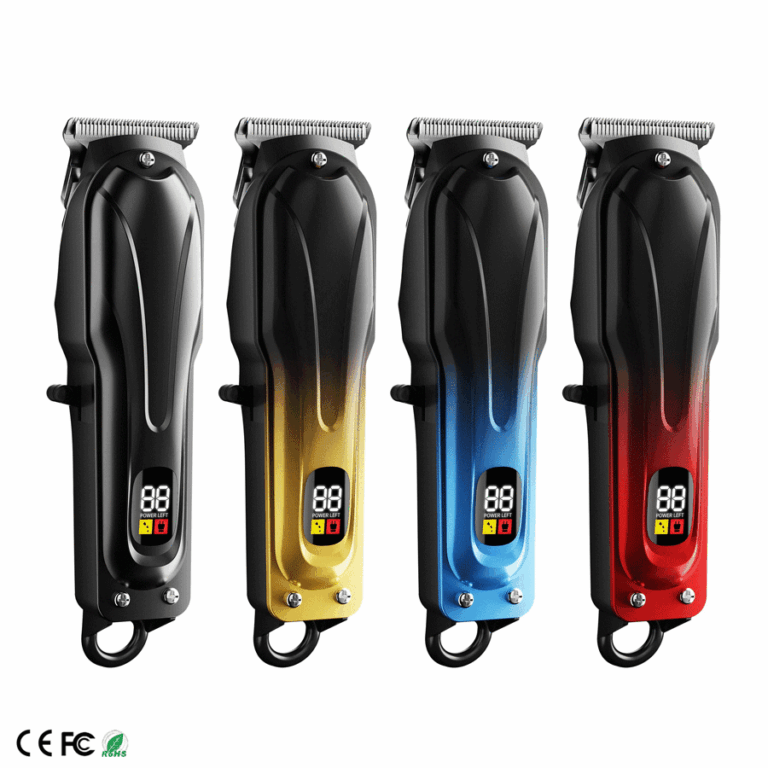
A motor rating alone does not establish cutting performance. The blade, drive, hair type, cutting load, maintenance condition, and operator technique all affect the result. Ask for the model-specific motor or speed specification where available, then verify the sample on representative hair types and routines. Record the setup, guard, battery state, and observed result so a production sample can be checked against the same conditions.
Blade material is one part of the decision. One rechargeable clipper configuration uses ceramic blades and a 2000 mAh lithium-ion battery. This is a configuration to evaluate, not proof every ceramic blade stays cooler, cuts better, or lasts longer. Confirm the blade assembly, guards, adjustment method, and care instructions. Professional hair cutting trimmers should be compared by declared configuration, not category label alone.
Cordless convenience has value only when runtime and charging fit the shop’s schedule. Confirm battery chemistry and capacity, charging input, stated charging time, and the supplier’s method for measuring runtime. A capacity figure such as 2000 mAh describes electrical charge under specified conditions; it does not state how many haircuts a shop will complete. Motor load, blade condition, speed setting, and use pattern change consumption.
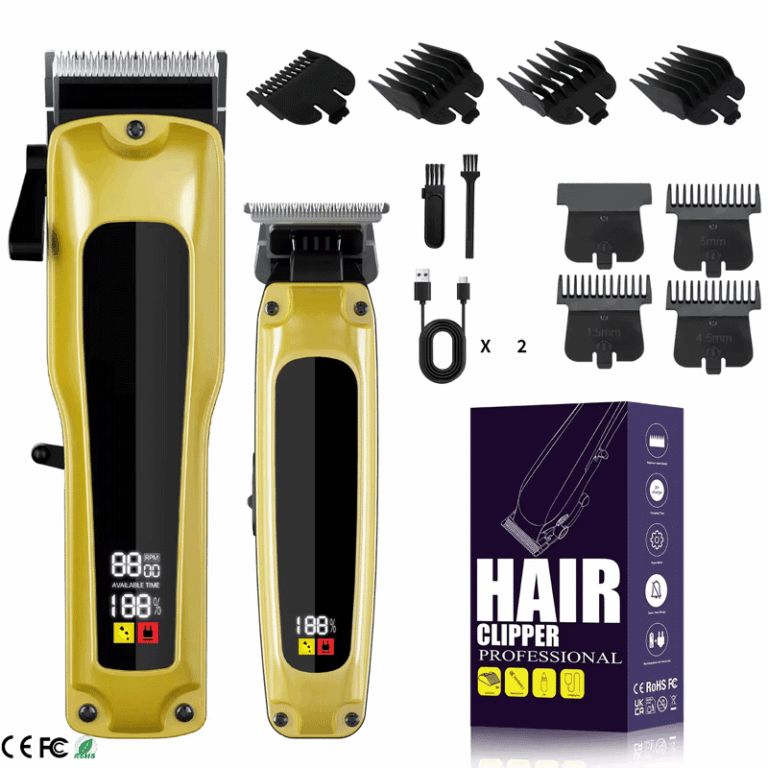
Weight, balance, grip, switch position, and control visibility matter because barbers handle the tool repeatedly. A rechargeable clipper set includes guards and accessories, but confirm the shipment’s exact contents rather than assuming every image shows the standard package. Ask for a dated bill of materials or packing list tied to the model and order revision.
Check serviceability alongside the accessory list. Confirm whether the blade can be removed or adjusted by the user, which cleaning and lubrication steps are approved, and what replacement parts are available in the target market. If the design is sealed or requires a service procedure, document that boundary. Model-specific instructions help distributors answer after-sales questions without improvising repairs.
Use a scorecard that distinguishes documented specifications from sample observations and commercial terms. Request comparable evidence for the same configuration, not a headline number from a different model. One cordless clipper configuration gives an 1800–2000 mAh battery range, while another named set specifies 2000 mAh. Those figures should remain attached to their respective configurations; they are not a universal range for all SUOKE clippers.
|
Evaluation item |
Evidence to record |
Why it matters |
|---|---|---|
|
Cutting setup |
Model, blade material, guards, adjustment instructions |
Prevents comparisons across different tool roles |
|
Power and charging |
Battery capacity, input, charging time, declared runtime method |
Separates a stated spec from a shop-specific observation |
|
Sample check |
Test routine, hair type, settings, pass result, heat or vibration notes |
Makes approval repeatable for the production sample |
|
Order configuration |
Accessories, packaging, branding, revision, spare parts |
Reduces ambiguity between approved sample and shipment |
A simple written specification can be more useful than a broad “best clipper” claim. A shop or distributor can send the same brief to several suppliers and retain the approved sample record with the purchase order. SUOKE supplies personal-care appliances, including hair clippers and trimmers; buyers evaluating a private-label program can use the company’s hair cutting trimmer as one reference and confirm the requested configuration against the order specification.
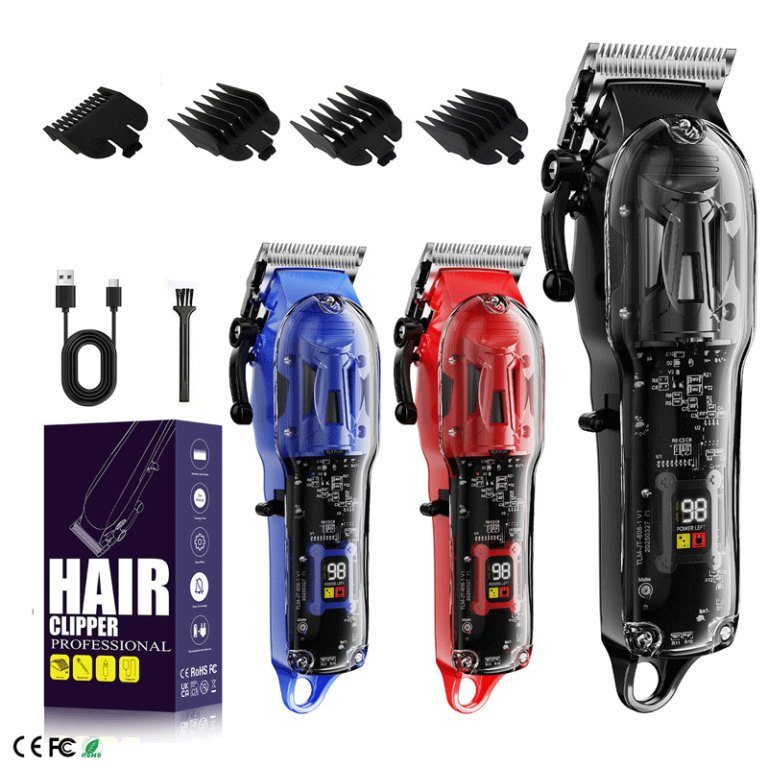
A practical approval sequence is to agree the specification, inspect a representative sample, run a controlled shop test, record changes, and approve the final configuration in writing. If branding, accessories, packaging, or blade details change after sampling, treat that as a revision requiring review. This keeps the approved sample connected to the goods produced.
When comparing options, avoid ranking products from different categories or using a single capacity number as a proxy for total value. A barber may need a main clipper and a separate detail tool; a distributor may need consistent packaging and spare-part support across several SKUs. The right choice is the model that meets the documented use case, performs acceptably in the sample check, and can be supplied in the exact agreed configuration.
Review the 3 in 1 men’s hair clipper and best men’s trimmer references after confirming each model and contents.
For professional buyers, a top-rated clipper is not simply the model with the largest motor or battery figure. It is the configuration that fits the shop’s cutting tasks, passes a repeatable sample evaluation, and arrives with documented accessories and service instructions. Put those requirements in writing before comparing quotations, and keep approval tied to the exact model and revision.
Capacity alone cannot answer that. Request the model’s stated runtime and test method, then observe a fully charged sample under the shop’s normal cutting pattern. Record operating time and load before using the result for an order decision.
No single blade material is best for every model or routine. Compare the exact blade assembly, adjustment method, compatible guards, care instructions, and sample performance under representative conditions.
Confirm the model and revision, blade and battery configuration, included accessories, packaging and branding, charging details, spare-part availability, and the sample approval record. Tie those details to the purchase order.
Only when the tools are intended for the same task. A detail trimmer and a primary cutting clipper serve different roles, so compare them against separate use cases and acceptance criteria.
Record the approved model, revision, accessories, packaging, and any custom details in the purchase specification. Review the sample again if any of those elements change before production.