
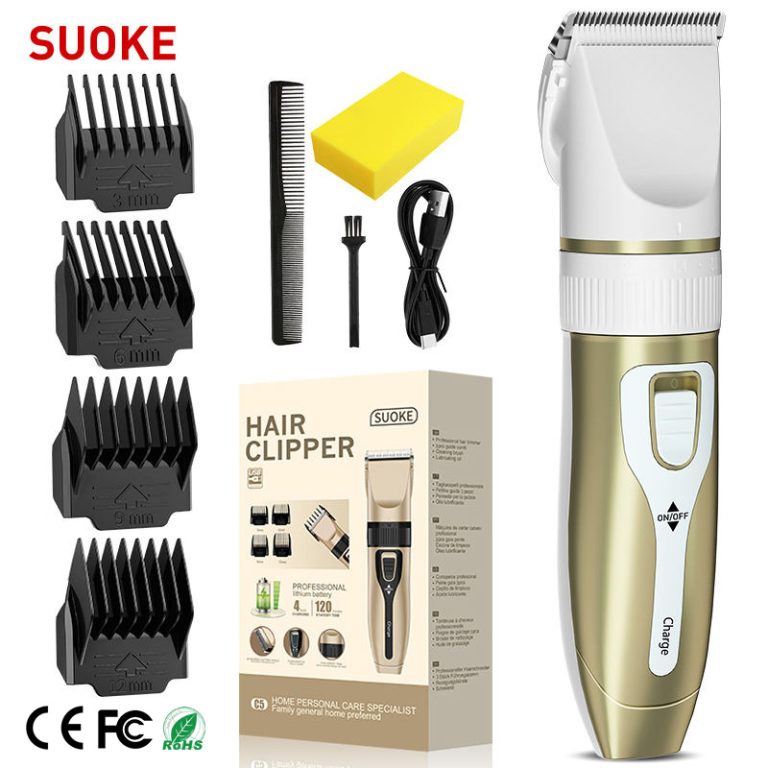
Picture a random Thursday. You’re running late. Your hair looks rough. The old corded trimmer is buried behind the sink, cord knotted like Christmas lights in January. You waste ten minutes just to plug it in. We’ve all been there. Now grab a cordless one instead. Flip the switch. Two minutes later you’re good to go. That tiny change is why everybody’s jumping on cordless hair trimmers these days. And the rush shows no sign of slowing down.
It wasn’t always this way. A few years back, cordless trimmers felt like toys. The battery quit halfway through a cut. The motor sounded weak. Blades yanked hair. Then everything got better, fast. New lithium batteries actually last. Motors got punchy yet quiet. Blades stay crazy sharp. Suddenly the cordless version feels smoother than the old plugged-in ones most of us grew up using.
My buddy owns a small shop in Dallas. He went full cordless last year. “No more cords all over the floor,” he told me. “Cuts go quicker. Nobody trips. My barbers love it.” His books look better too. Same chairs, more heads per hour.
The numbers don’t lie. The whole clipper and trimmer market sits around $5.7 billion right now. It’s headed to $7.3 billion by 2030. And inside that pie, cordless grabs well over 65%. That slice keeps getting bigger every quarter.
Cords are the worst. They snag. They limit your reach. They get wet and freak you out near water. Cordless just kills all that drama. Charge it once and forget it for days, sometimes weeks if you’re only doing quick clean-ups. Most decent ones run 90 to 180 minutes straight. That’s plenty for a full fade or a whole month of beard touch-ups.
Think of the guy working from home who sneaks a lineup between meetings. Or the traveler who hates checking bags. Or the college kid whose dorm outlet is already claimed by his roommate’s PlayStation. These tools slide right into real life.
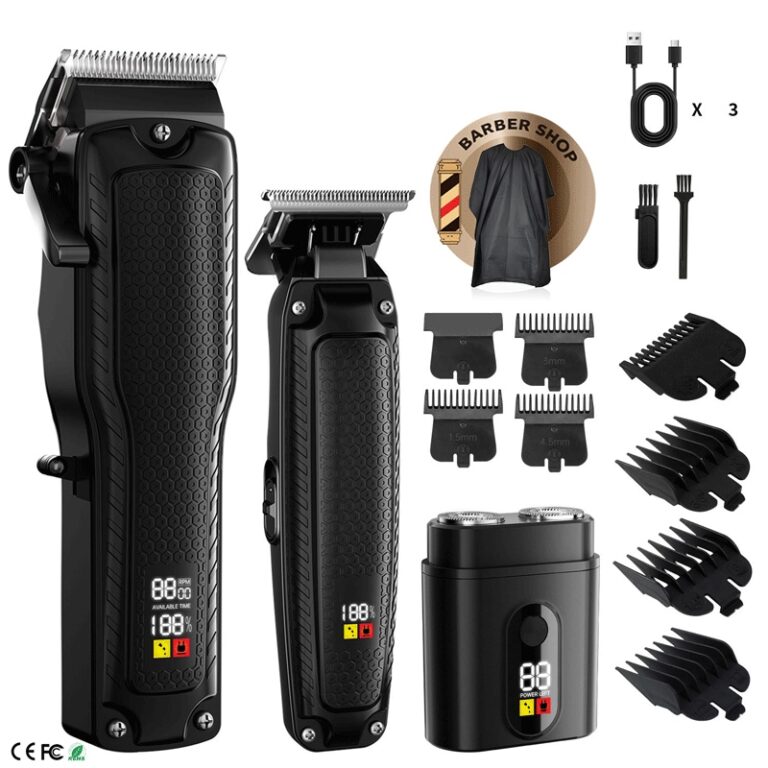
The upgrades aren’t only about batteries. A lot of blades sharpen themselves now. Motors barely make noise. Little LED screens tell you exactly how much juice is left. Many are fully waterproof. Just rinse the whole thing under the faucet when you’re done. No tiny brushes, no hassle.
I watched a barber in Miami finish a cut on a guy fresh off the beach. Sand everywhere. He rinsed the trimmer for ten seconds, shook it, and jumped to the next client. That kind of toughness wins fans fast.
Google searches for “cordless hair trimmer” keep climbing. Big jumps hit every August when kids head back to school. Another spike comes in November for holiday pictures. Online shops now move 40% of all units. Real customer reviews and quick video clips do more selling than any fancy ad ever could.
Younger crowds drive most of it. About three out of four guys under 35 already own one. Five years ago that was closer to one out of two.
Different folks need different things, but the same solid tech works for both.
| Who’s Cutting | What They Want Most | Typical Runtime | Weight |
|---|---|---|---|
| Home users | Easy grip, quiet, simple combs | 90–120 minutes | Under 8 oz |
| Barbers | Crisp fades, all-day battery | 150–240 minutes | 9–11 oz |
| Travelers | Tiny size, USB charging | 60+ minutes | Under 7 oz |
Good suppliers make versions that nail each group without loading on stuff nobody uses.
Everyone can read the same sales reports. So how do you actually stand out? Pay attention. Customers keep saying the same stuff: “Make it last longer than a year.” “Don’t force me to oil it every five minutes.” “Throw in a case that doesn’t fall apart.”
Nail those basics first. Then toss in one small extra—like a travel pouch or a tiny bottle of oil tucked inside the box. Those little moves turn one-time buyers into regulars. Stores that bundle a cordless trimmer with oil and a brush see 25–30% more repeat orders.
Show real life instead of dry specs. Post a quick clip of a dad fixing his kid’s neckline in the car before practice. People connect with that way more than bullet points.
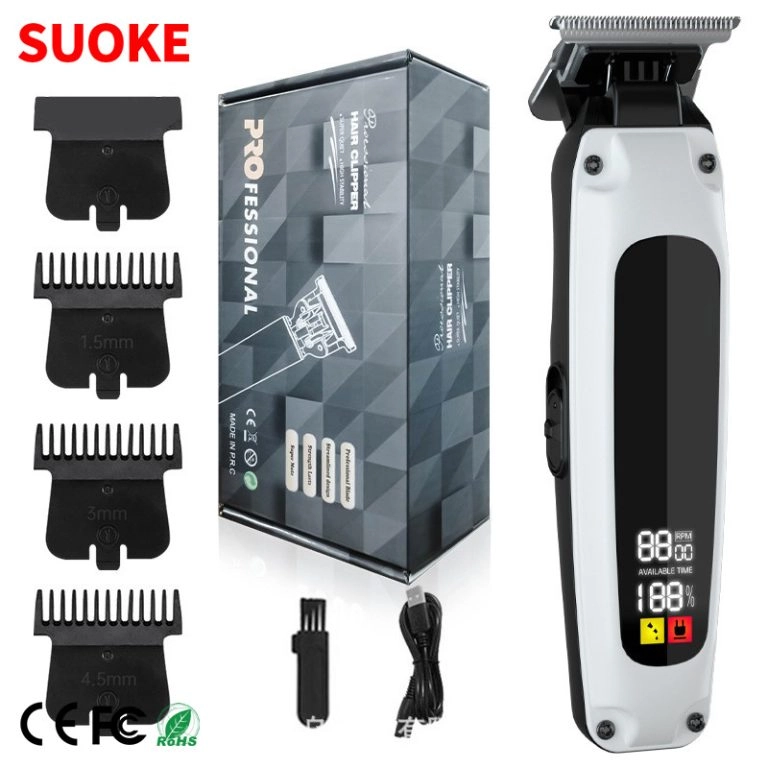
SUOKE Electric has been cranking out grooming gear in Yiwu, China, for over ten years. They ship solid cordless hair trimmers and other home appliances to customers in more than 60 countries. The factory obsesses over the stuff that matters: batteries that actually hold a charge, stainless blades that stay straight, handles that feel good even after a long day. They do private-label runs, quick custom jobs, whatever you need. Their after-sales folks actually answer the phone. For shops, online sellers, or distributors who want a partner that ships on time and backs the product, SUOKE keeps earning the repeat business.
Cordless hair trimmers aren’t some passing trend. They’re the new normal. People live fast. They want tools that keep up. The market keeps growing because the payoff is obvious: more freedom, zero headaches, cleaner cuts. Get the simple things right. Tell honest stories. Show up reliably every single time. Do that and you’re not just moving units. You’re giving folks a few extra minutes every morning. They’ll remember who did that for them.
Why are people ditching cords for cordless hair trimmers? Cords slow you down and drive you nuts. A solid cordless trimmer runs 90–180 minutes and charges quick. You can trim anywhere without hunting for an outlet.
How do I pick a good cordless hair trimmer for home? Go for at least 90 minutes of battery, a comfy grip, and waterproof build. Adjustable combs and a battery indicator are small things most guys end up loving.
Will a cordless hair trimmer work on thick or curly hair? Yep—when it’s got a strong motor and sharp stainless blades. Newer ones cut smooth, no tugging, just like the old corded beasts, only freer.
Is there still money in the cordless hair trimmer game in 2025? Plenty. The cordless slice alone is headed from $800 million today to $1.4 billion by 2033. North America, Europe, and Southeast Asia still eat them up, and online makes reaching buyers stupid easy.
What’s coming next for cordless hair trimmers? Even longer batteries, faster charging, cool little tricks like magnetic combs that click on without fuss. The big idea stays the same: total freedom to groom wherever you are.