
 If you have sensitive areas in your mouth and need to clean around braces, crowns or other limited access areas, then the best option for you would be a gentle electric toothbrush with soft bristles. Specifically designed for the sensitive user, these toothbrushes come in a sonic cleaning version that ensures all the plaque is removed without any irritation to your gums or any wear to your enamel.
Using Braces means that there are extra surfaces for plaque and food to adhere to making cleaning daily more difficult. The surfaces of the brackets and the wires act as a barrier to effective cleaning using a toothbrush which can often lead to the patient not cleaning their teeth as well as they could using alternative methods of cleaning. By not removing plaque from around the various components of the braces, it can lead to enamel decalcification and gum inflammation, known as gingivitis which can result in white spot lesions. Precise cleaning of teeth using a variety of cleaning methods is a vital part of the orthodontic treatment process in order to prevent these problems.
Clean crowns and other dental restorations. There is a fine line between cleaning and protecting the margin of the restoration. Avoid using too much pressure with your toothbrush as this can damage the crown or abrade the surrounding gingiva. Using a soft bristle toothbrush is best. There are special toothbrushes on the market that are designed for cleaning around restorations and these can be very effective at cleaning while protecting the margin from wear.
Clean the posterior teeth. These teeth are among the most difficult parts of the mouth to clean because of visibility and access. The design of the brush head is particularly important for cleaning the posterior teeth. A small brush head, either compact or angled, can be used to clean tight spaces. A well-designed ergonomic handle allows effective cleaning of all tooth surfaces while providing comfortable use. The oscillating or sonic motion of these brushes generates effective fluid dynamics, allowing the removal of plaque from all surfaces, including inter-proximal contacts beyond the actual points where the bristles are in contact.
When choosing an electric toothbrush, there are aspects of the design, technology and user safety that have to be checked against the particular dental conditions of the user.
The compact shape of the brush heads makes them easy to clean around braces and crowns. The orthodontic-specific brush heads are designed to clean between the brackets, while the interdental brush heads are designed to clean between the narrow spaces of teeth, which regular toothbrushes cannot reach. The replaceable brush heads are an important feature for maintaining long-term oral hygiene, as worn-out bristles can harbor bacteria and create more problems than they solve.
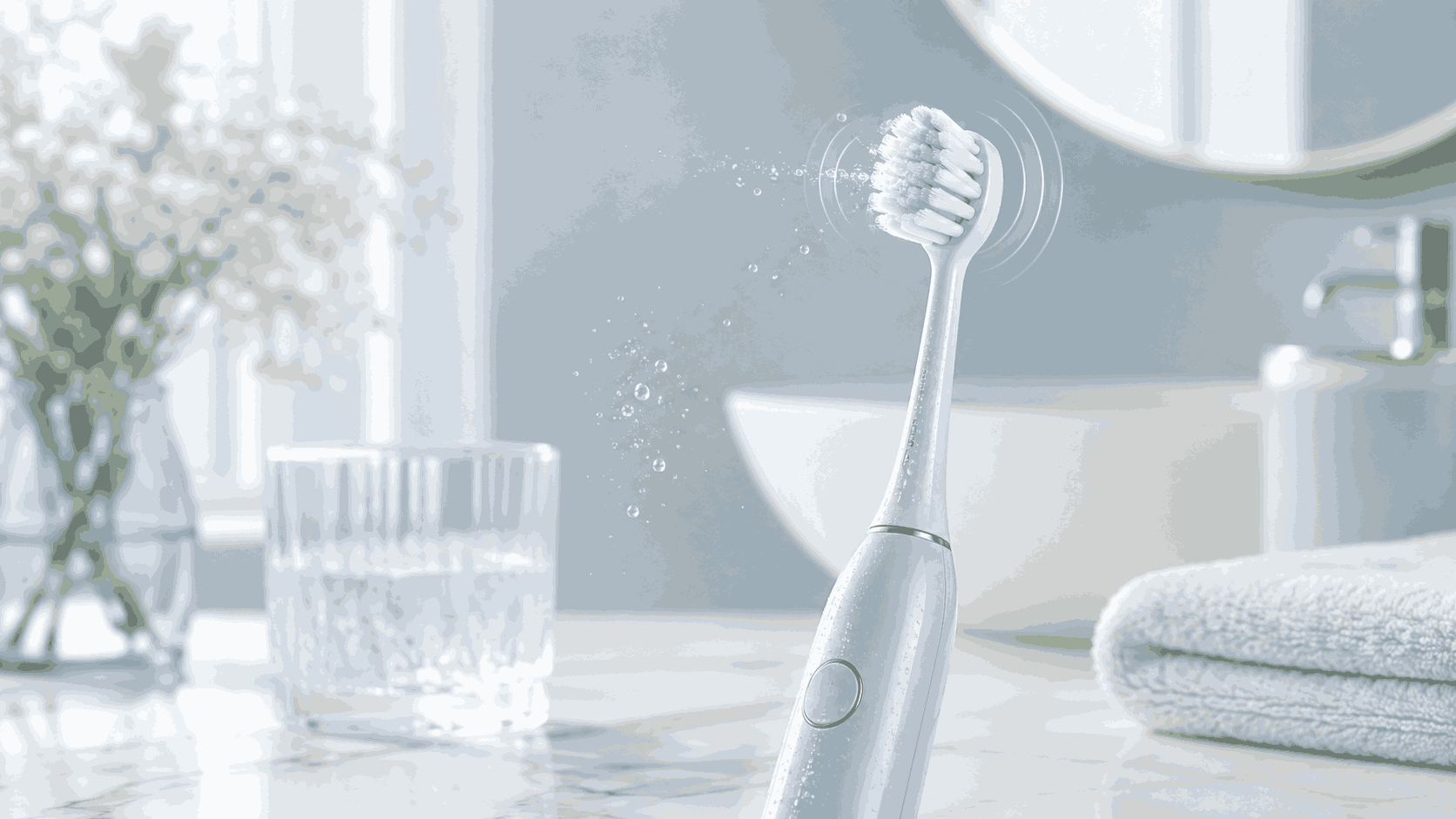
Oscillating brushes physically remove plaque from surfaces that the bristles make contact with. Some Sonic toothbrushes create micro bubbles in the saliva allowing for cleaning of areas around the braces or dental restorations that physical cleaning of plaque cannot. Ultrasonic toothbrushes also remove plaque and do so with micro vibrations that are safe to use around the margins of dental prosthetics without causing trauma to sensitive gum tissue.
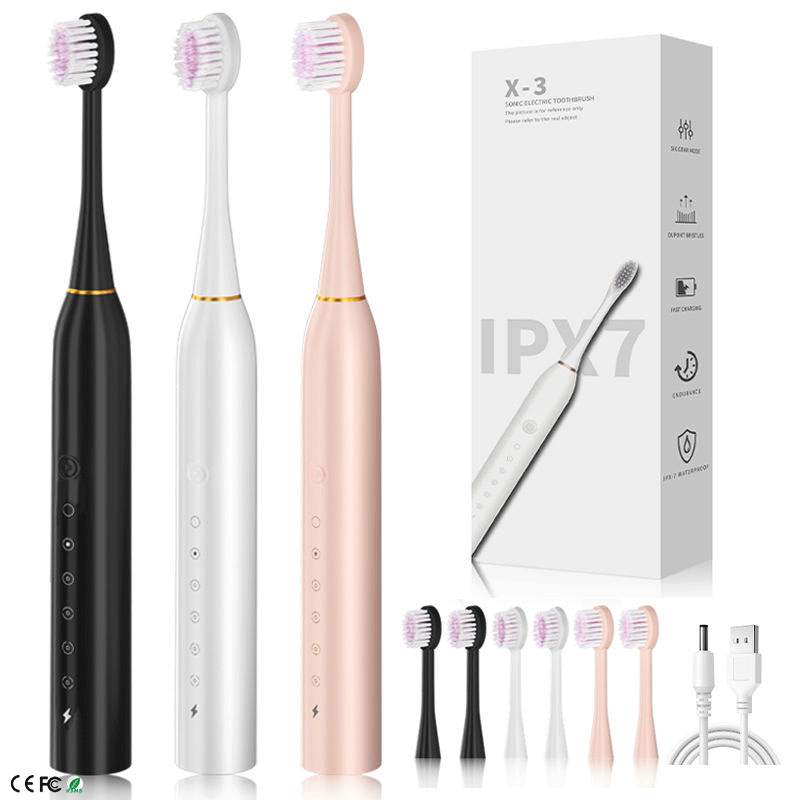
Dental professionals recommend electric toothbrushes for specialized care based on the evidence-based performance metrics.
Clinical research consistently demonstrates superior plaque reduction outcomes among orthodontic patients using oscillating or sonic brushes compared to manual alternatives. Regular use also correlates with decreased gingival bleeding indices in individuals wearing fixed appliances—confirming their value as part of comprehensive hygiene management during orthodontic treatment.
A reliable electric toothbrush should have a long life of battery power, to allow for a continuous usage of several days without having to recharge it. In addition, a toothbrush is waterproof, which enables use at home as well as in a clinical setting. The toothbrush can be used in any situation, also under wet conditions, which is important for patient compliance.
In my experience, the patient group faces challenges that differ from those of other groups. Dental professionals must give specific recommendations to the patient group.
For patients with braces, our models are equipped with specific orthodontic brush heads and adjustable speed. These models can be used for guided cleaning, which systematically cleans all areas around the brackets, while ensuring constant pressure.
For people with crowns, the best way to clean is by using an electric toothbrush with a soft bristle texture to avoid any abrasion on the margin of the prosthetic. A pressure-controlled toothbrush is especially good as it will automatically change the intensity of the brushing to suit, preventing any trauma to the interface of the tooth and the restoration while still being able to give a good clean during daily brushing.
For individuals with limited dexterity or posterior access to the mouth, brushes with ergonomic handles that allow for good grip control and efficient reach into oral cavities are recommended. In addition, brushes with angled brush necks and adaptive motion to teeth are designed to clean molar surfaces and to remove plaque from all areas of the mouth for optimal oral health.
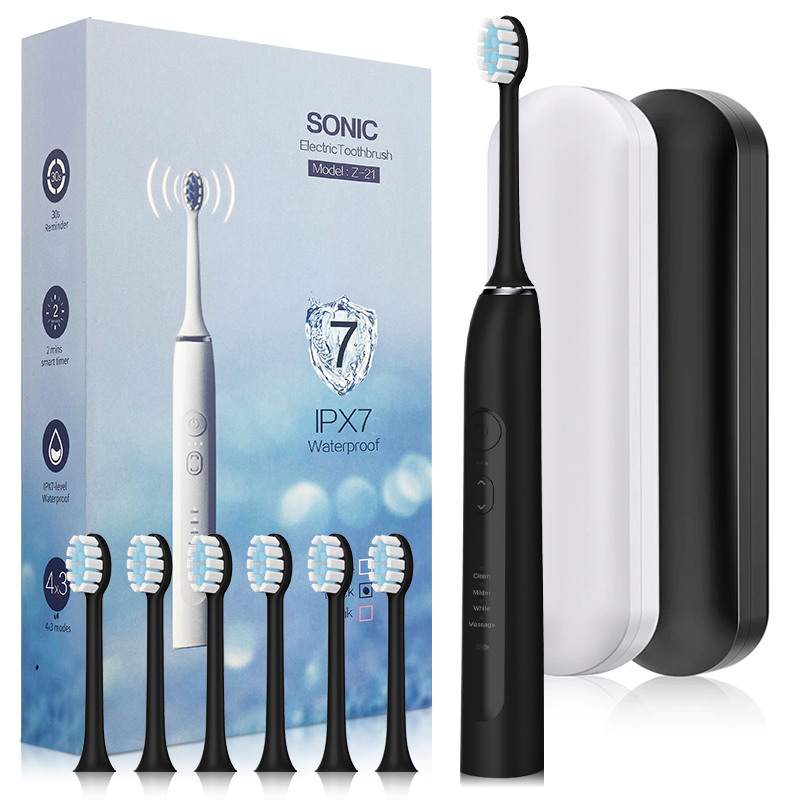
The proper maintenance of the devices can affect their performance in the long run in the specialized oral care situations in which they are used.
Replace Brush heads every 3 months or sooner if fraying occurs. Detachable parts must be cleaned and disinfected regularly to prevent bacterial accumulation around braces or crown margins where debris tends to get stuck after brushing.
Don’t overcharge your lithium-ion batteries as this can reduce their efficiency in the long run. Just follow the recommended number of charging cycles for your battery, and you’ll be fine. Also, storing your toothbrushes upright will allow them to dry completely between uses. This will help to prevent the growth of any microbes that can thrive in a damp environment, and are typically found in bathrooms.
The inclusion of an electric toothbrush in a professional oral care plan can help to deliver a number of additional benefits to patients within a variety of patient groups.
Even the latest technology cannot replace regular cleaning appointments at the hands of a hygienist or dentist. Patients must clean their teeth on a regular basis, using their highest level of cleaning between scaling appointments. This will allow for proper cleaning of all surfaces of teeth, including those with orthodontic appliances or fillings.
Additional tools like water flossers and interdental brushes can be very effective in addition to sonic-powered oral care devices for the removal of interdental plaque and for cleaning between teeth when the devices are too sensitive for use.
SUOKE Electric is a reliable Electric Toothbrush supplier that offers soft bristles toothbrushes, sonic toothbrushes, waterproof electric toothbrushes, rechargeable electric toothbrushes and more customizable solutions as Electric Toothbrush OEM/ODM for sensitive oral care needs. Our range of products can satisfy dental professionals’ requirements and customers’ demands, providing durable yet gentle oral care, especially for people with braces, crowns and sensitive gum, etc.
The right electric toothbrush can go a long way in maintaining healthy teeth and gums for patients with special needs. Those who wear orthodontic appliances or have other types of restorations can especially benefit from certain features such as soft bristles, sonic motion technology, ergonomic design elements, pressure sensors and even interchangeable toothbrush heads. The dentist can recommend the right features to meet a patient’s special needs to promote a long term healthy smile in the most comfortable way possible.
Soft bristles are designed not to abrade enamel surfaces and gum tissues whilst effectively removing plaque from teeth using the consistent motion created by sonic technology.
It is recommended by dental experts to change the brush head of your electric toothbrush every three months or when wear is visible. The bristles will start to fray and cleaning efficiency will decrease.
Yes, Sonic toothbrushes are safe to use. Their micro-vibrations will thoroughly clean around crowns and veneers without applying too much pressure that can compromise the integrity of the margins of the restoration.