
Launching an Amazon private label hair clipper is more than just branding a new product. Sellers have to deal with safety issues, battery and blade information, packaging durability, FBA receiving rules, reviews, returns and supplier communication before the goods even get to ship. A beautifully designed hair clipper online can turn into a disaster if the motor overheats, the guards do not fit properly, the charger documentation is missing or the cartons get damaged during the fulfillment process. Early planning helps Amazon FBA sellers to move from samples to replenishment for their hair care products.
Define clearly the specifications to avoid quotation that is too vague and delivery of samples that do not match customers’ requirements. Before inquiring for prices, define who will use the clipper, how often it will be used and which accessories will be required.
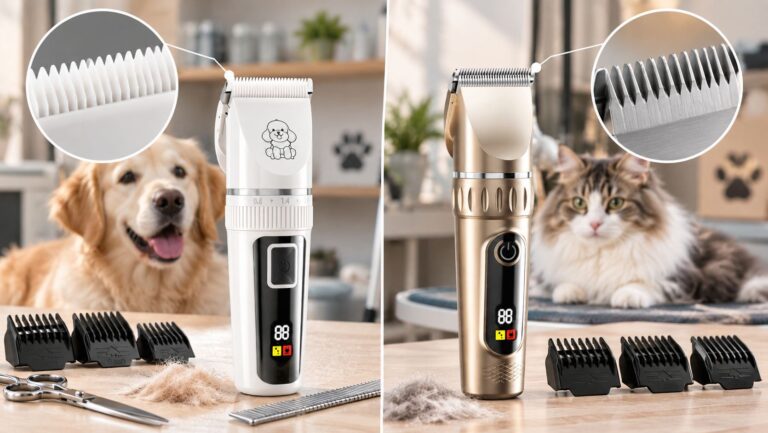
Buyers looking to use their Home Haircut products at home are typically looking for hair cutters that are quiet, have simple guard use, have cordless charging and easy cleaning. Meanwhile, those looking to use their Home Haircut as a Barber will typically compare things like the blade, motor, taper control and other features of the unit such as runtime, grip type and size as well as the number of spare blades included. Pet Groomers require entirely different blade spacings, accept different levels of noise, and require different hair management accessories than Home Haircut users. Attempting to create a listing that effectively positions a product for use as all of these things at once increases return risk.
Start with motor type, blade material, cutting length range, guide comb sizes, battery chemistry, charging interface, rated voltage, runtime claim basis, waterproof rating if applicable, and accessories. Then define packaging size, manual language, spare part policy, color, logo placement, and barcode position. Sellers should request a signed specification sheet so the approved sample, purchase order, and inspection checklist match.

Most compliance problems are found AFTER large investments have been made for tooling, packaging, photos and inventory for the product. Treat all documentation as part of your product development–create it while building your product and don’t set it aside for collection later.
Many cordless clippers contain lithium-ion batteries, so sellers should prepare battery composition, cell count, watt-hour rating, voltage, battery weight, packaging method, safety instructions, and test documents where required. Amazon Seller Central states that lithium batteries and battery-powered products require battery information when creating or converting FBA listings, and dangerous goods review may require details from the battery, packaging, or manual.
Mandatory requirements are based on the selling market. Amazon requirements are usually platform requirements and not laws of a country by themselves. UL or ETL marks are usually voluntary until a buyer, an insurer, a retailer or even a local rule requires them. CE marking is mandatory for certain products which are sold on the EU market. For electronics containing radio or other digital circuitry the FCC rules may also apply. Check with a qualified compliance partner before printing any of them.
Your samples are only useful for real tests, i.e. how a real customer uses them. Don’t just approve your samples based on looks, weight or a short power-on test!
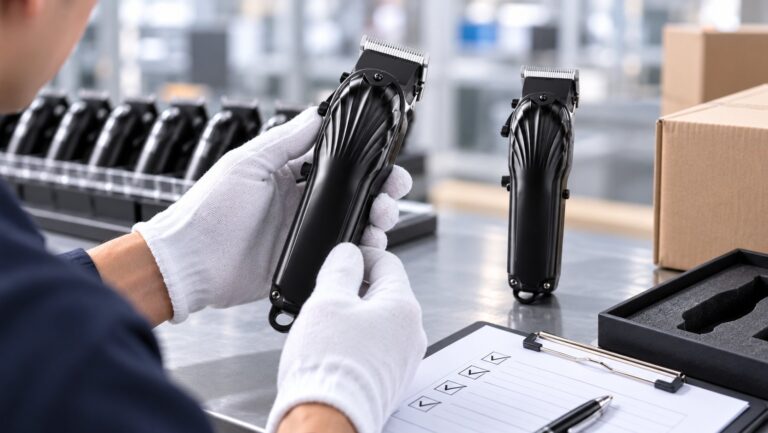
When checking bulk goods against a sample approved for inspection it is best to compare the approved sample against key points of the bulk goods i.e. compare against the approved sample for an Amazon private label hair clipper by checking carton quantity, inner pack quantity and type, correct placement of approved labels, correct reading of approved barcodes, correct color and positioning of approved logo, correct alignment of blades, correct quantity of approved accessories, correct rating of approved chargers, correct language of approved instruction manual, any cosmetic defects, and perform random function tests to name just a few points. Small defects in the items checked could lead to negative reviews as customers are able to compare the items against photos used when ordering the items.

It is not always easy to judge a brand by its low unit price. For example, as a hair clipper brand you will need to spend money on development, testing, taking good photos of your products, the Amazon fees, storage, returns, parts for repairs and delayed shipments.
Some of the common costs that are often not included are: mold changes, color matching, printing of logos, manual translation, retail box artwork, product inserts, compliance testing, physical inspection, spare blades, extra guards, freight, duties, FBA packaging, samples and additional inventory that needs to be replaced. In addition, calculate the refunds due to poor quality batteries, dull blades, missing parts and/or unclear instructions.
Compare suppliers by engineering communication, sample consistency, documentation support, MOQ, customization options, lead time, packaging capability, inspection cooperation, spare parts access, and after-sales response. A supplier that explains trade-offs is often more useful than one that repeats promotional claims. Ask for realistic tolerances, not vague promises.
SUOKE Electric is an OEM / ODM supplier of high quality home appliances, hair clippers and other grooming appliances that are suitable for Amazon FBA sellers who are looking for private label products and need supplier to discuss and confirm details of hair clippers such as clipper types, motors, blade, battery, accessories, packaging, etc. Our website describes our main business as appliance manufacturer for global partners. Having supplier relationship with such manufacturer is good as it can provide very practical feedback on manufacturing prior to placing order. However, seller must also compare supplier’s specifications, documents, price, delivery terms and conditions, inspection method etc before making final decision.
Launching a hair clipper brand on Amazon requires more than just picking colors and a price. It needs a use case, fixed specifications, real testing, lots of documentation and packaging ready for FBA. All the battery details, safety information, labeling and supplier records for the product should be ready to roll before the stock starts moving. A well implemented Amazon private label hair clipper program can mitigate all of the risks of launching a product by tying together the design, compliance, quality control and replenishment. By preparing for launching a hair clipper brand on Amazon for FBA as a seller you will increase your chances of building repeatable Amazon FBA grooming products.
Defining the user, price tier, required feature set, proposed accessory kit and target compliance market prior to requesting supplier quotes for samples makes these samples far easier to compare.
Some items are more complex because they contain lithium-ion batteries. If you are selling such items you will need to supply Amazon with details of the batteries, packaging etc plus any other documentation that Amazon requests.
Most customers may ask you how something cuts, how long the battery lasts, how loud it is, how hot the blade gets, how well the guard fits, how comfortable the grip is, how easy it is to charge it, and whether you get what you were shown with the accessories.
No. A lower offer can lack many things such as testing, packaging support, spare parts, better blades, cooperation for inspection, stable battery supply etc.
Specifications, approved samples, certificates of compliance, packaging files, barcode testing, quality control inspection criteria, FBA requirements, spare parts, product listing images and return handling instructions.