


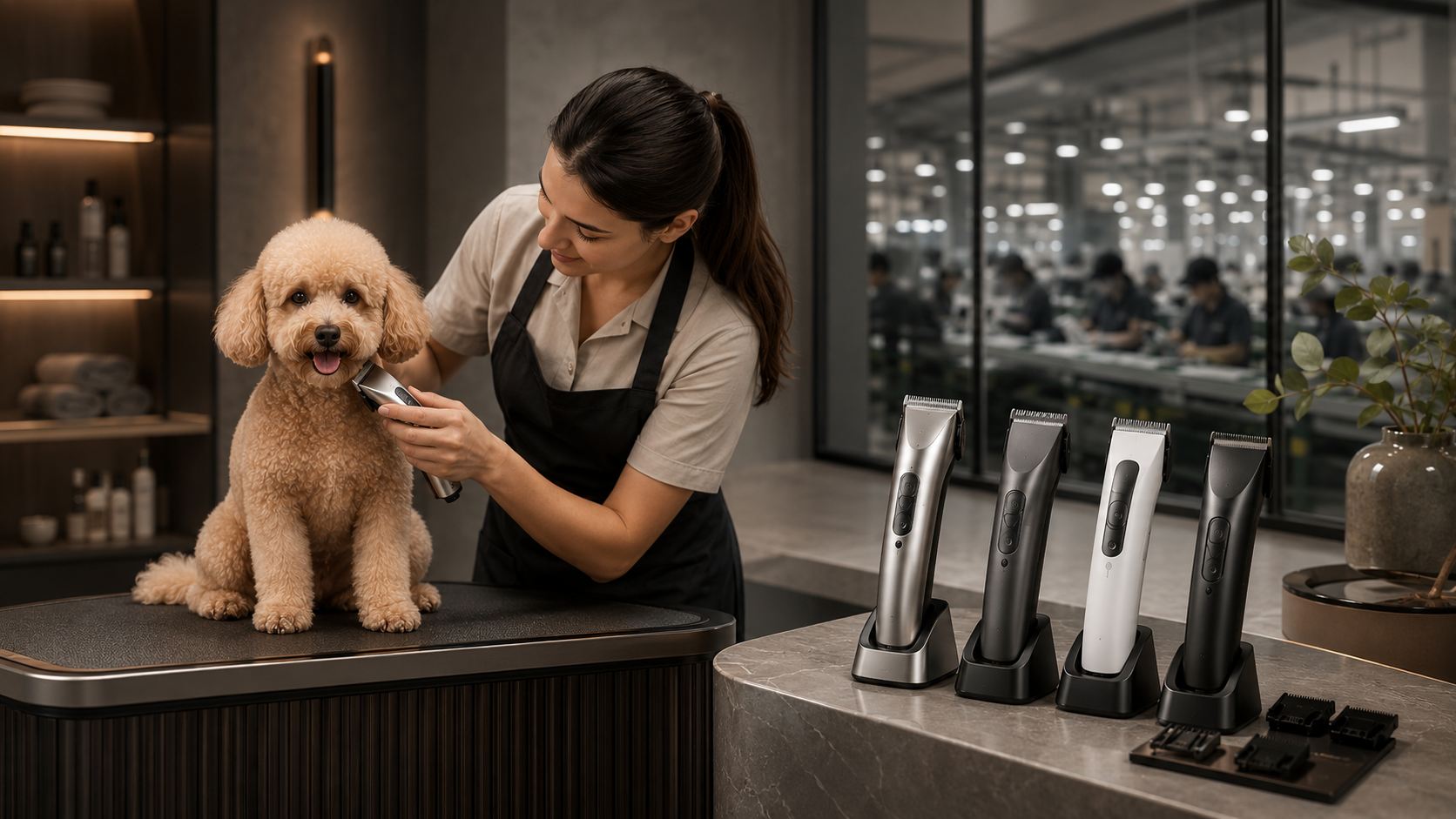
As repeat customer demand for pet products continues to rise, and as there is also an increase in technical differences between products, for retailers, private-label brands, importers, pet shops and distributors of grooming products, the OEM supply of pet clippers can become a very practical category. They are not just looking for a low price for their clippers – they are comparing the motor power, blade quality, battery life, noise level, heat, waterproofness, packaging, certification, MOQ, spare parts and after sales service of different suppliers. As pet ownership and spending on grooming their pets continues to rise, it is a very good category for a reliable supplier of pet clippers who can help build a range of products for home grooming, salons and as part of gift ready to give as a gift in a pet care kit.
As part of your normal pet care, grooming has become a regular routine task rather than an occasional salon visit. As such, there is a growing need for high quality professional grooming tools as well as effective, easy to use grooming products for use in the home.
For OEM buyers it is important to know that grooming products have a massive user base of pet owners. There are many occasions when pet owners need to use hair clippers such as for in between salon visits for maintenance, for trimming of the paws, for hygiene cuts as well as for seasonal coat changes.
Wholesale buyers of pet grooming products really like clippers because you can market them through so many channels such as online stores, pet stores, grooming salons, supermarkets, travel kits etc. And also through gift bundles. As for differentiation through design and functionality, it’s all about blade sets, guide combs, charging docks, displays, noise reduction, packaging etc.
In a report from Future Market Insights the pet grooming market size was estimated to reach $19.5 Billion by 2026, with future growth anticipated to 2036. This market research information will only provide insight to the overall market and not provide any guarantee for the success of a single brand, but the interest in sourcing for pet grooming tools is obvious.
A pet clipper is an electrical appliance, a cutting tool, and a comfort-sensitive pet product at the same time. This makes supplier selection more technical than for simple brushes or combs.
These factors are best compared by a buyer in a list. Clippers are often perfectly suited for cutting thin hair and very short hair but can quickly fail when used on very thick or very matted hair.
At home customers will prioritize quiet operation and ease of use. In contrast, groomers may require higher durability from blades, more effective cooling, availability of spare parts, and consistent cutting performance.
Modern pet hair clippers are mostly cordless and require a safe battery as well as a clever design for the charger. The U.S. CPSC states that batteries and chargers can cause hazards like overheating, fire, electric shock, thermal burns as well as leak of electrolyte.
Make sure you ask about the battery’s specs, what charger they’ll use, what kind of protection circuits are used, how you are supposed to charge the battery, how the drop tests were done, and what the shipping will look like. Even a great looking product can hide terrible battery quality.
Each user may require a specific clipper design. Therefore a single model may not be suitable for all channels and OEM planning must start with a view to a specific scenario.
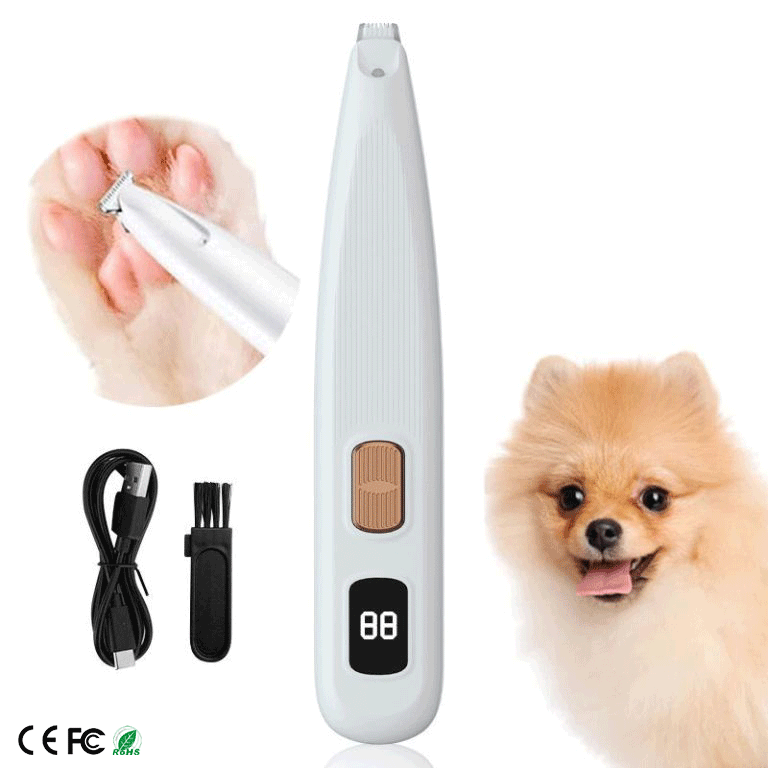
Home users are typically seeking a pet hair clipper for use in trimming the paws and face as well as the belly hair of their pets. They are also looking for a good hair clipper for light coat maintenance and for immediate hair clipping to remove hair prior to a photograph or trip. They are typically looking for a clipper that is very quiet, simple to use with a few simple guide combs, and comes with a USB charging cable. They would also like the clipper to have washable parts and to come with clear instructions on how to use the product.
For this scenario, do not make the product have too many controls. Make it safe, easy to hold and to clean.
The pet shops, dog salons and mobile groomers could do with some better tools. Often they use the clippers on several animals per day, so longer running, stable motor, blade changes, heat and cleaning speed are much more important for them.
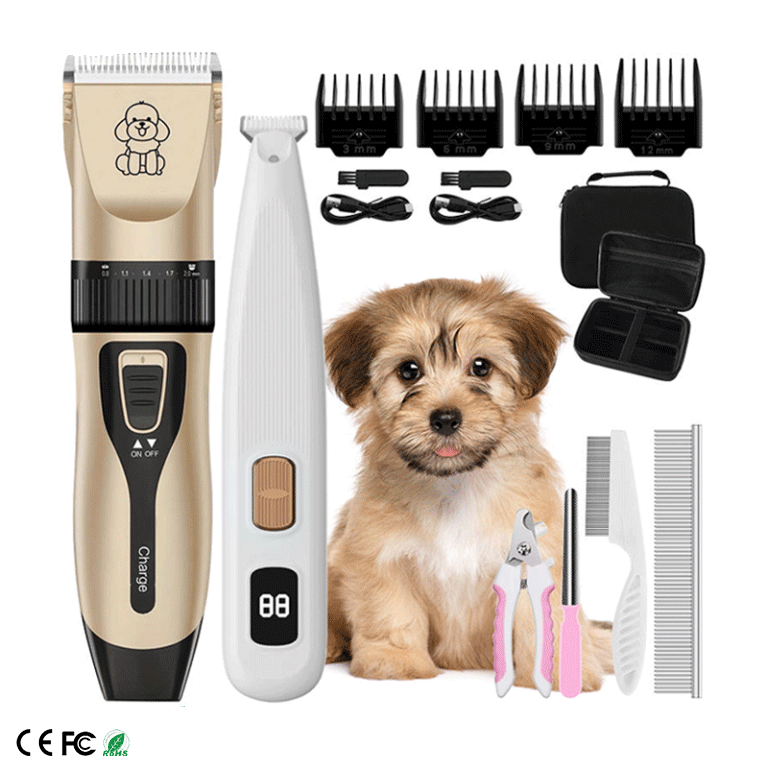
A professional grooming kit consists of Main Clippers, Detail Trimmers, Comb Attachments, Cleaning Brushes, Clippers Oils, Charging Bases and Spare Blades for use on clients. A bundling like this of practical extras in a grooming kit is usually worth higher retail for a B2B buyer.
When sourcing, one must take into account not only the lowest unit price, but also the engineering, production control, documentation and after-sales service provided by the supplier. A very low unit price for a product that generates complaints is not a good sourcing decision.
The procurement team asks about the following aspects of the supplier’s offer: OEM/ODM support, mold customization, printing of logos, packaging design, sample delivery time, MOQ, battery supplier control, blade supplier, inspection stages, availability of spare parts. The buyer also requires a specification sheet, user manual, description of outer and inner packaging, market-specific documentation, etc.
IEC 60335-2-8 deals with the safety of electric shavers and similar appliances for electric hair clipping, etc. and UL 859 treats safety of household electric personal grooming appliances. Check if these or other standards/certifications are to be used for the products on the market the buyer is looking for and according to the product design.
Red flags such as unknown battery details, lack of sample testing process, unclear blade composition, unfounded water resistance statements, poor instruction manuals and no replacement parts available. Also beware of sellers claiming universal compliance without checking the specific market requirements of the designated market.
A practical checklist may include:
| Buyer concern | What to check |
|---|---|
| Cutting performance | Motor, blade, guide combs |
| Pet comfort | Noise, vibration, heat |
| Safety | Battery, charger, waterproof design |
| Retail readiness | Packaging, manual, labels |
| Long-term support | Spare blades, warranty, after-sales |
As soon as customers start to use their pet clippers to trim for the first time, they will soon discover whether there are any problems such as excessive noise, pulling, heat or battery failure. Therefore, sample approval should be strict.
Customers should test the hair clipper on different coat types such as fine hair, thick hair and hair with light tangles. The smoothness of the cut, how hot the hair clipper gets when in constant use, the battery charger, how easy the hair clipper is to clean, whether the additional accessories fit and how well the hair clipper is packaged.
It’s also good to check on product images, product instructions, warning labels and online product listings for incorrect or over-the-top claims which can result in returns on acceptable products.
Brands can create several versions: an entry-level home kit, a quiet pet clipper for small dogs and cats, a heavy-duty grooming model, and a travel-friendly set. This helps retailers target different price points without forcing one product to do everything.
The strongest OEM plan is one that ties the product design to the channel requirements and not just to the factory capacity.
SUOKE Electric website describes company as B2B OEM/ODM manufacturer of home appliances including professional hair clippers, pet hair clippers and groomers, electric shavers and other hair and pet grooming appliances. Website lists details of pet hair clippers and pet grooming trimmers for dogs and cats. Cordless, low-noise, rechargeable and even customized versions are presented on product pages. As a supplier that a brand would consider for partnership for manufacturing of pet clipper products as an OEM or for purchasing of pet grooming products as wholesale, the scope of SUOKE products supports discussion of product design, offered accessory kits, possible logo engraving, packaging options, provision of samples and private-label development. Of course, one must then compare details of specifications, samples, safety documents, prices, delivery terms and promised service as well as required target markets before giving final approval to supplier.
Pet clippers are becoming a strong OEM category because pet ownership, home grooming habits, and grooming product demand are moving in the same direction. The opportunity is not only market growth; it is the ability to build differentiated products with motors, blades, batteries, accessories, packaging, and private-label positioning. Buyers should evaluate pet clippers as technical appliances, not simple pet accessories. Safety documents, battery quality, sample testing, and after-sales support should be reviewed before mass production. The best sourcing decision matches product design to the real user scenario: home care, salon use, mobile grooming, travel, or retail gift sets.
Pet clippers are popular because they serve home users, pet shops, salons, mobile groomers, and retail gift channels.
These are the things that you should check when buying a hedge trimmer: cutting power, blade quality, noise, vibration, heat, recharging, battery life, accessories, and cleaning.
Cordless clippers are great for home use and for traveling with your clippers. For long hours of work in the salon, a corded or heavy-duty model is more suitable.
Importers can ask for specifications, for manuals, for battery details, for charger details, for test reports, for labels, for packaging files and for market specific compliance support.
When choosing between OEM and ODM Brands should compare the following: OEM/ODM capability; sample quality; production control; ability to customize; MOQ; lead time; availability of spare parts; after-sales communication.