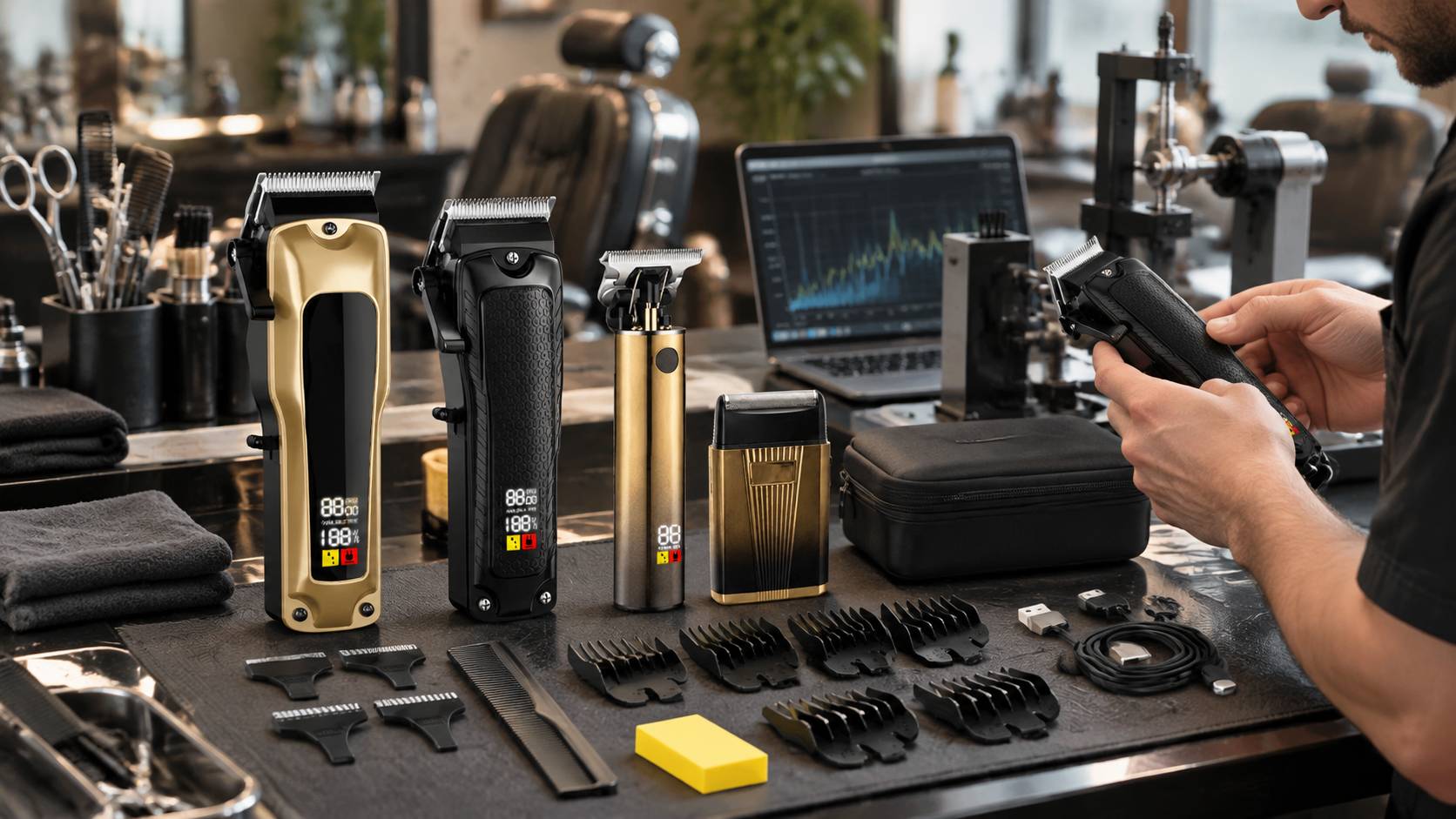
When a distributor prepares to add a hair clipper to a professional grooming product line, motor performance is usually one of the first technical topics discussed with a supplier. However, the motor itself is rarely the only reason a clipper succeeds or fails in the market. A model that feels powerful during a short demonstration may behave differently after repeated use in a barber shop, while a quieter consumer model may be more suitable for home users. For importers and private label brands, the real evaluation is whether the motor, blade system, battery, and product structure work together consistently across a production batch. Before placing a bulk order, buyers need to understand what affects cutting stability, what should be checked during sampling, and which details need to remain unchanged for future production.
A motor provides the driving force behind a clipper, but customers do not experience the motor separately. They feel the result through cutting speed, vibration, sound, heat, and how the tool handles different working conditions.
This is why a motor specification alone rarely tells the full story. Two clippers with similar advertised motor information may feel different when used because the blade design, power management, and overall assembly are not the same.
A professional barber may use a clipper continuously throughout the day. In this situation, stable operation and comfortable handling often become more important than a single performance figure.
A retail customer may use the same type of product less frequently and focus more on smooth operation, charging convenience, and ease of maintenance.
Before comparing suppliers, buyers should define:
Without this information, motor discussions can become focused on specifications that do not directly match the market requirement.
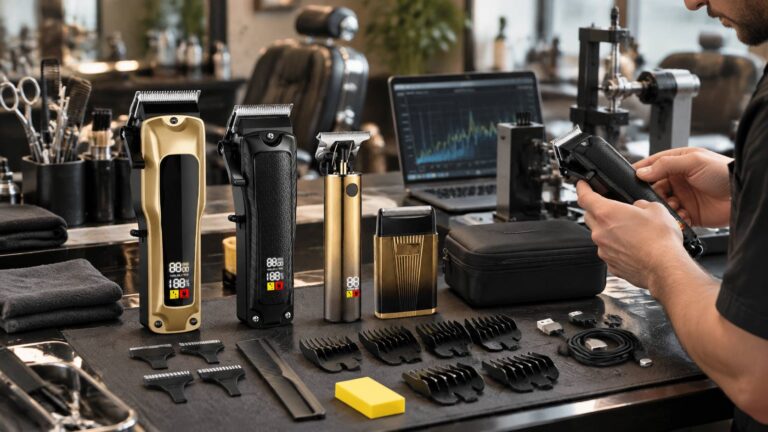
The available hair clipper category includes different product configurations, so the evaluation should begin with the intended application rather than only the technical sheet.
Sample testing is where a buyer can move beyond supplier descriptions and see how the product behaves.
A common mistake is approving a clipper after checking only whether it starts and cuts normally. Most products can pass that basic test. The differences usually appear when several units are compared or when the clipper operates for a longer period.
A distributor preparing a bulk order should avoid making decisions based on one sample alone. The first sample may represent the target design, but multiple units show whether that design can be reproduced.
During testing, buyers can pay attention to:
| Test Area | What to Observe |
|---|---|
| Start-up | Whether the motor begins smoothly each time |
| Cutting process | Whether performance changes under resistance |
| Sound | Whether units produce noticeably different noise |
| Vibration | Whether operation feels balanced |
| Extended use | Whether performance changes after continuous running |
These observations do not replace engineering testing. They help buyers identify questions before production begins.
For example, if one sample becomes warmer or louder than the others, the next discussion should focus on why that difference exists instead of simply selecting the quietest unit.
A supplier presentation normally shows the product at its best condition. That is useful for understanding the design, but it does not always represent what happens after hundreds or thousands of units are produced.
This is why sample comparison matters. Consistency between units often tells buyers more about production readiness than the performance of a single demonstration sample.
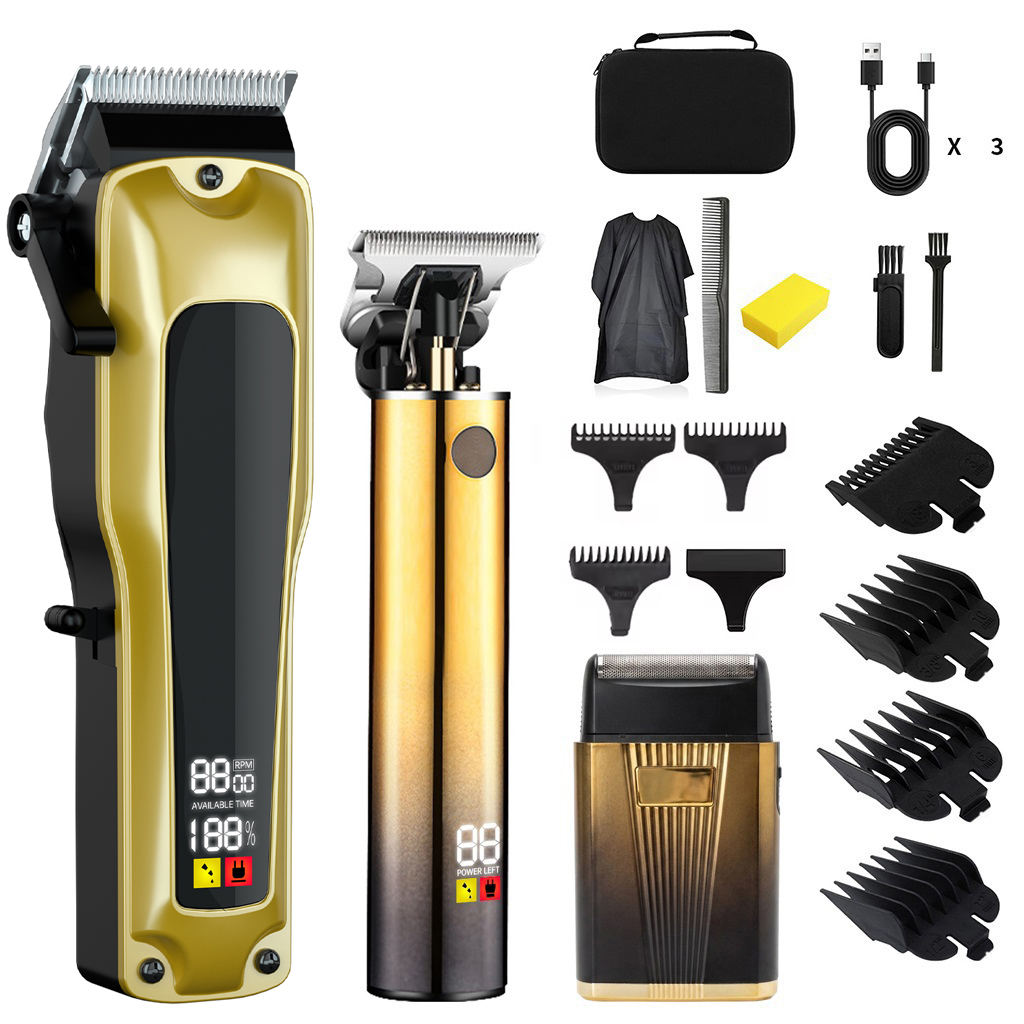
A hair clipper motor does not work alone. The cutting result depends on how power is transferred through the blade system and maintained by the battery or electrical supply.
A motor with strong output may still provide an unsatisfactory experience if the blade alignment creates unnecessary resistance. Similarly, a well-designed blade cannot perform consistently if the power system cannot support normal operation.
During supplier discussions, buyers should connect motor evaluation with other product elements:
For cordless clippers, battery condition is especially important. A unit may perform well immediately after charging but feel different when the power level decreases.
The buyer is not only purchasing a motor. The buyer is purchasing a complete grooming tool that needs to deliver a consistent experience from the first use until the product reaches the end customer.
One challenge in long-term sourcing is that some changes are difficult to notice from the outside.
A supplier may adjust an internal component to improve production efficiency. The housing remains the same, but the operating feeling may change.
For repeat orders, buyers should pay attention to changes involving the motor, battery, control board, or blade connection. These parts can influence the final user experience even when the appearance stays unchanged.
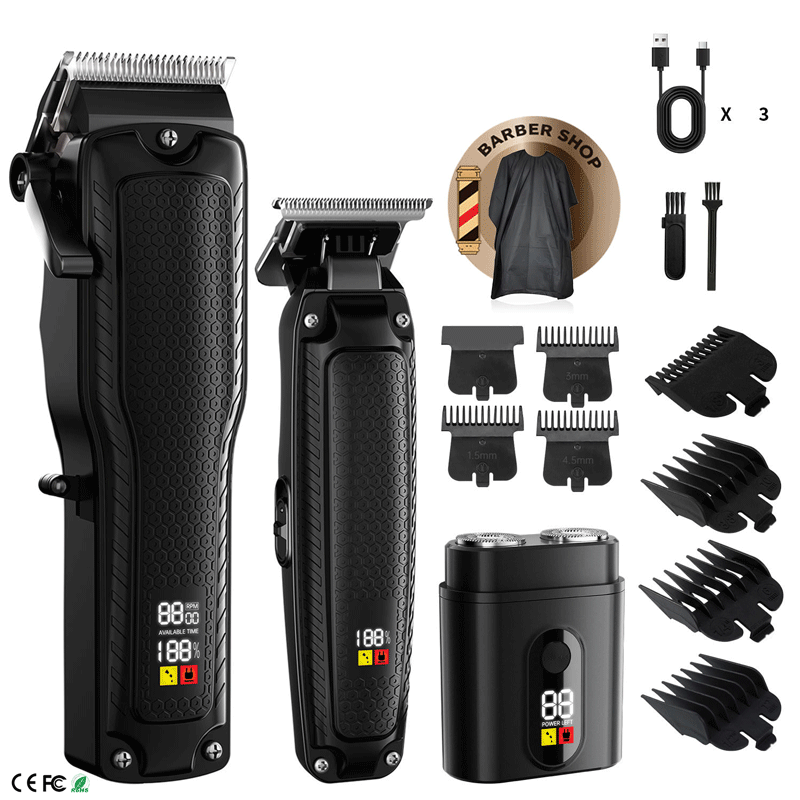
After the sample has been accepted, the next step is making sure production follows the same version.
Many sourcing problems happen because the approved sample exists only as a physical reference while important technical details remain unclear. Several months later, when a repeat order is placed, both sides may have different understandings of what was originally approved.
The production reference does not need to be complicated, but it should cover the details that affect performance.
For a hair clipper project, buyers normally need to confirm:
This information gives the factory and buyer the same reference point.
The supplier’s service process can also help purchasing teams understand how product confirmation, production coordination, inspection, and shipment preparation are handled before delivery.
A successful first order does not mean every future batch will automatically remain identical.
When a supplier proposes a component change, the important question is whether the change affects the product experience. A different internal part may influence cutting feel, operating sound, vibration, or battery performance.
For distributors building a long-term product line, change control is part of maintaining customer trust.
SUOKE Electric supplies personal care electrical appliances for overseas retail, distribution, and OEM/ODM projects. For hair clipper programs, the company supports buyers with product selection, private label customization, packaging coordination, production management, inspection, and shipment preparation. Its hair clipper range covers different configurations for professional and retail applications. Buyers can discuss product requirements, branding details, packaging expectations, and production arrangements before bulk ordering through the contact page.
Motor performance evaluation should not stop at checking one specification or watching one sample demonstration. For bulk hair clipper orders, buyers need to understand how the motor works with the blade system, battery, and production process. Comparing multiple samples, reviewing long-term operation, and controlling component changes can reduce unexpected differences between the approved sample and the final shipment. A stable sourcing decision comes from evaluating the complete product rather than focusing on one technical feature.
Not necessarily. Motor output is only one factor. Blade design, battery performance, vibration control, and the intended user group all influence the final product experience.
Several samples help reveal whether the product can be reproduced consistently. One unit may show the intended design, but multiple units provide a clearer picture of production stability.
Yes. The motor and blade system work together. Blade resistance, alignment, and movement can influence cutting smoothness even when the motor itself remains unchanged.
Changes involving motors, batteries, control boards, or blade-related components should be reviewed because they may affect performance, noise, vibration, or user experience.
The record should include the approved model, motor configuration, blade system, battery arrangement, accessories, packaging, and inspection points needed to keep future production consistent.