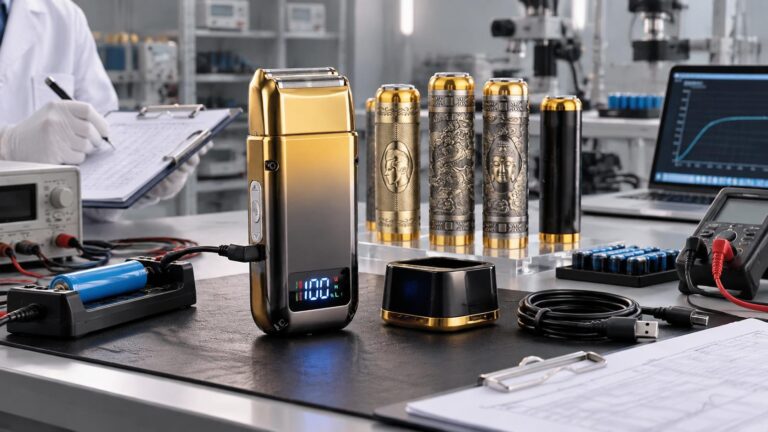
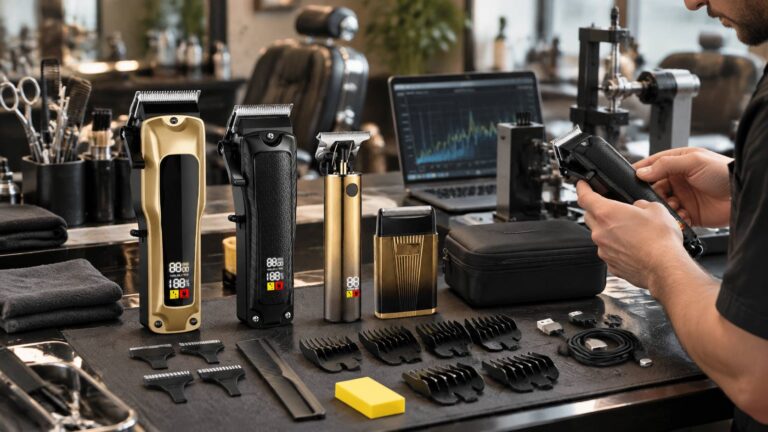
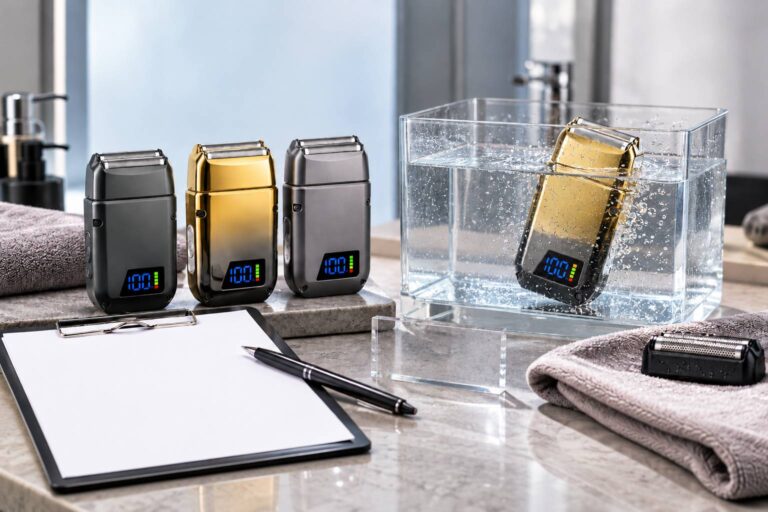
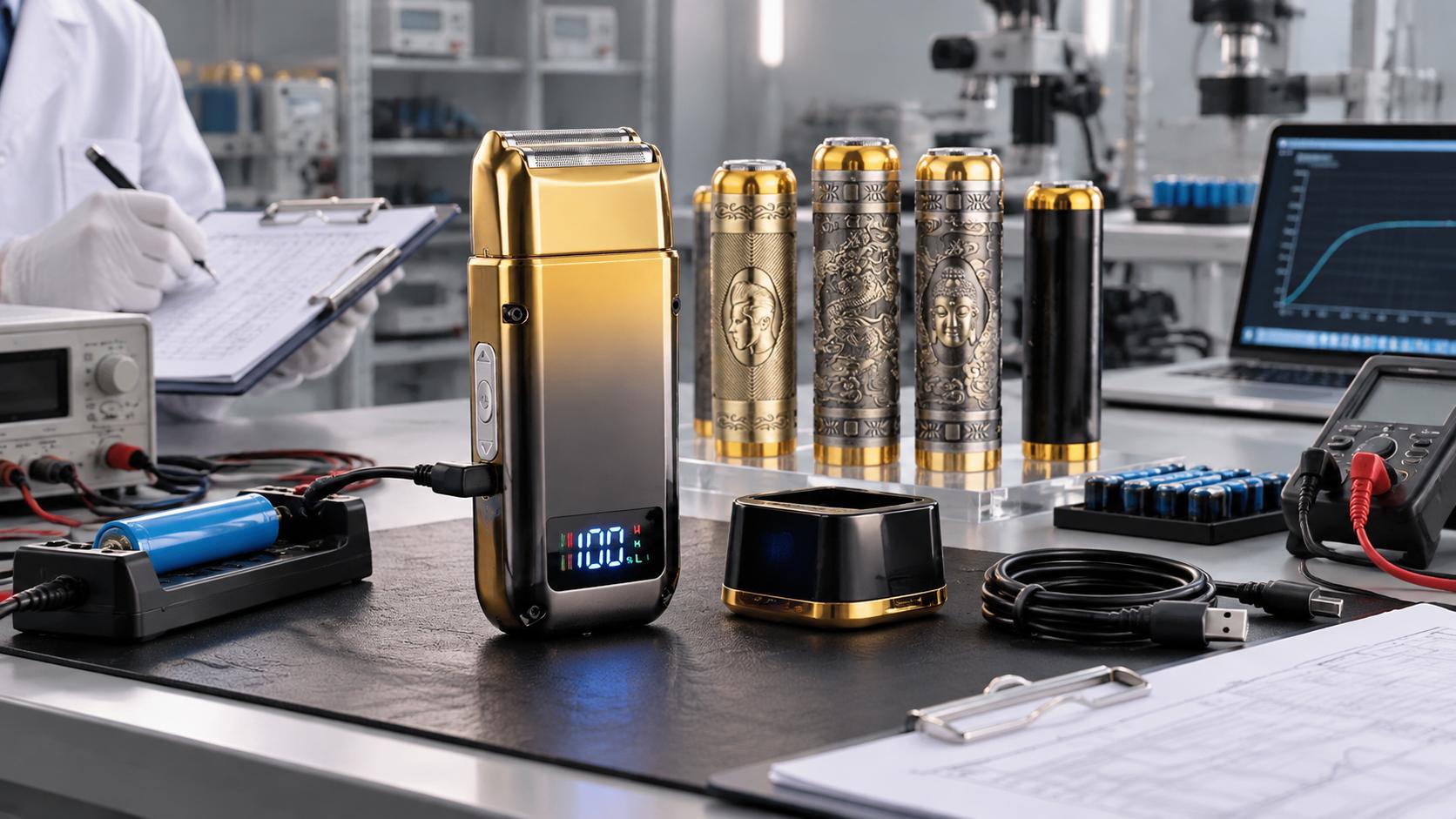
For an importer, a rechargeable electric shaver is not finished when the product can turn on and cut hair correctly. The charging experience becomes part of the product reputation once the first batch reaches distributors, retailers, and end users. A customer who struggles with a loose connection, unclear charging status, or inconsistent charging behavior may consider the whole product unreliable, even if the shaving performance is acceptable. This is why charging system evaluation should happen before mass production, not after customer feedback appears. During sourcing, the important points are whether the charging design matches the target market, whether samples perform consistently, and whether the approved version can remain unchanged through future production.
Charging problems often start before the sample arrives. They usually come from unclear communication between the buyer and supplier.
A product quotation may mention a rechargeable electric shaver, but that description alone does not explain the complete charging experience. Different projects may involve different expectations for accessories, packaging, user instructions, and market requirements.
A distributor preparing a new grooming line may already know the selling channel, customer habits, and price range. Those factors influence what kind of charging solution makes sense.
Before approving a model, the project discussion should cover the practical details that customers will interact with:
These details may seem separate from the main product, but they are closely connected once the product reaches the market.
For example, a retailer needs to know what accessories are included before creating product information. A customer needs clear instructions before using the shaver for the first time. A distributor needs confidence that replacement orders will match the original configuration.
The electric shaver category provides different product options for buyers comparing models, but the charging arrangement should always be reviewed together with the selected product version.
A working sample does not always represent the final customer experience.
This is one of the reasons experienced buyers avoid approving a product after checking only one unit. The sample proves that the design works, but it does not fully show how consistently that design can be reproduced.
In mass production, small differences may appear between units. A charging connection may feel slightly different. An indicator may respond differently. Accessories may not match the expected version.
A simple comparison between several samples can reveal useful information.
| Area to Compare | What May Appear During Testing |
|---|---|
| Charging connection | Different levels of tightness or stability |
| Indicator response | Different charging status behavior |
| Accessory matching | Incorrect or inconsistent included parts |
| Post-charging operation | Different performance after charging |
| Unit-to-unit consistency | Variation between samples |
The goal is not to create an unrealistic test environment. The goal is to understand whether the product experience is stable enough before the order quantity increases.
A supplier demonstration usually shows the intended result. Sample comparison shows whether the same result can be repeated.
A customer does not test a shaver once in a factory environment. The product is charged, stored, used, and charged again.
During evaluation, it is useful to observe whether the product behaves normally through this cycle. Problems that do not appear during initial inspection may become visible after repeated use.

One challenge in OEM and private label projects is that some important changes are invisible from the outside.
A product may keep the same housing, logo, and appearance while internal components are adjusted during production. For electrical products, these changes deserve attention because they may influence how customers experience the product.
Charging performance can be connected with several parts inside the product, including:
A supplier may make a change for production efficiency, availability, or supply reasons. That does not automatically mean the change is negative. The key issue is whether the final product still matches the version that was approved.
For repeat orders, this becomes especially important. A distributor may place a second order months after the first shipment, expecting the same customer experience. If the internal configuration has changed, the result may be different even when the product looks identical.
The approved sample should represent more than appearance. It should represent the complete product version that the buyer accepted.
This reference helps avoid discussions based only on memory. Both sides can compare later production with the original approved version and identify whether any meaningful change has occurred.
Charging quality is not only determined by internal hardware. The customer interacts with the entire charging package.
A correct electric shaver with confusing instructions or incorrect accessories can still create unnecessary complaints.
This happens frequently when different teams handle product development, packaging, and marketing. The technical version approved by purchasing may not always match the information eventually shown to customers.
Before shipment, the product, accessories, and information should match each other.
The review can include:
These details become more important for brands selling through multiple channels. A distributor may need the product page, packaging, and user instructions to communicate the same information.
The supplier’s service process supports coordination between product confirmation, production arrangements, inspection, and shipment preparation, which helps keep different project stages aligned.
Before production begins, charging requirements should become part of the final approval record.
This does not mean creating unnecessary technical documents. It means making sure the buyer and supplier have the same understanding of the product that will be manufactured.
A practical approval record may cover:
For a first order, this helps prevent misunderstandings between sampling and production.
For repeat orders, it provides a reference when suppliers propose adjustments. Instead of asking whether a change “looks the same,” the discussion can focus on whether it affects the approved product experience.
A stable charging system is therefore not only an electrical issue. It is also a production management issue.

SUOKE Electric supplies personal care electrical appliances for overseas retail, distribution, and OEM/ODM projects. For electric shaver programs, the company supports buyers with product selection, private label customization, packaging coordination, production management, inspection, and shipment preparation. Its electric shaver range covers different shaving solutions for retail and professional applications. Buyers can discuss product configuration, charging requirements, packaging details, and production arrangements before bulk ordering through the contact page.
Charging reliability is a detail that directly affects how customers experience a rechargeable electric shaver after purchase. A successful sourcing process requires more than confirming that one sample can charge normally. Importers need to review the charging design, compare samples, control production changes, and make sure accessories and product information remain consistent. By connecting the approved sample with clear production requirements, buyers can reduce avoidable issues when the product moves from factory production to the market.
One sample can show the intended design, but several samples provide a better view of production consistency. Differences between units may reveal potential problems before a bulk order is completed.
Yes. Customers experience the complete product package, not only the shaver itself. Incorrect accessories, unclear instructions, or missing components can create complaints even when the main product works properly.
Yes. Changes to charging components or related internal parts may affect the final user experience. Reviewing these changes helps maintain consistency between production batches.
They can compare charging connection, indicator behavior, accessories, post-charging operation, and whether multiple samples provide a similar experience.
No. It also involves accessories, packaging, instructions, production consistency, and communication between the supplier and buyer.