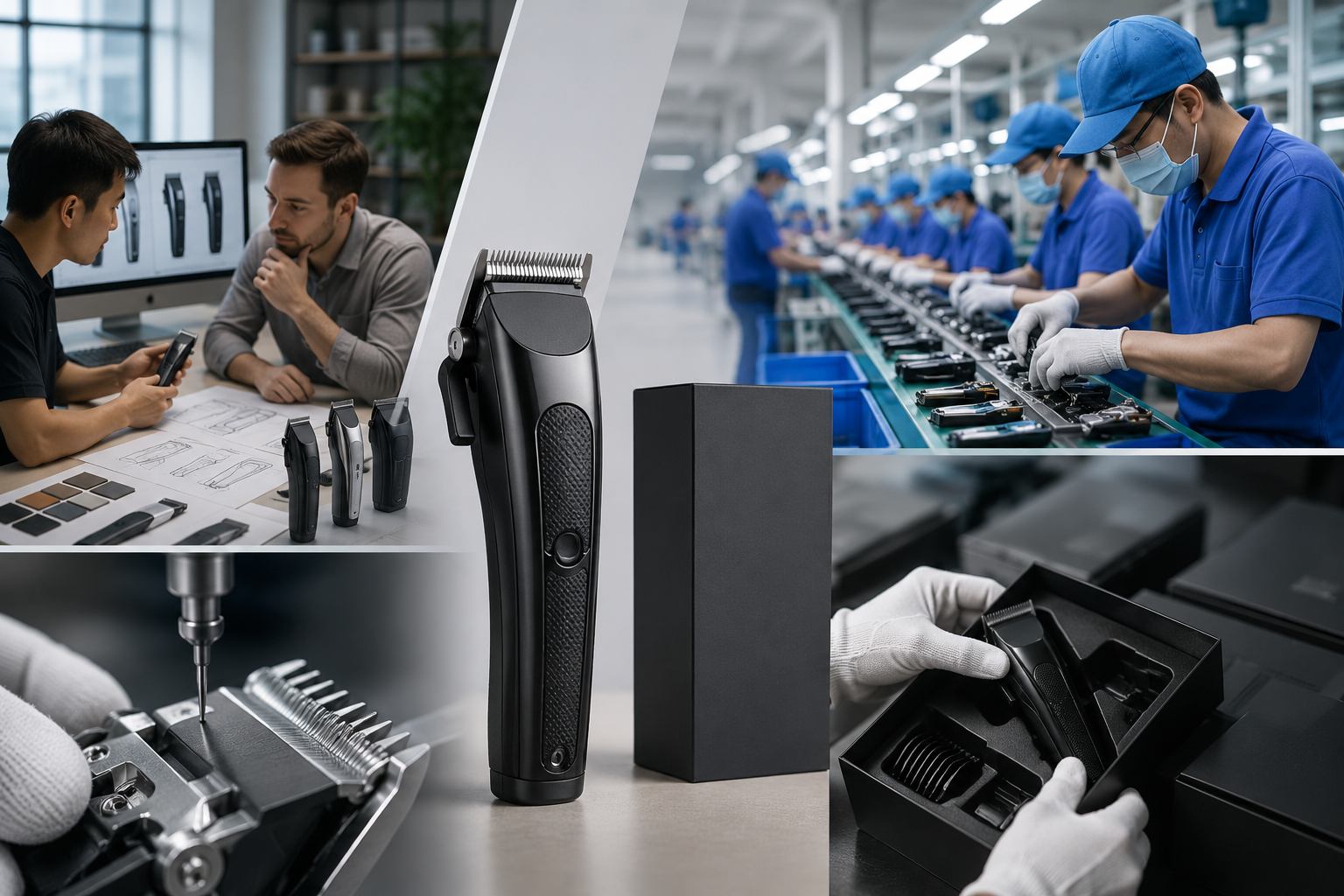
The global grooming tools market has been expanding steadily, with professional hair clippers playing a critical role in both salon and home use. According to a 2023 report by Grand View Research, the electric hair clipper segment is projected to grow at over 5% annually through 2030, driven by rising demand for personalized grooming tools and private label manufacturing. For brands seeking to enter or scale in this competitive space, choosing a reliable hair clipper manufacturer is not just about price—it’s about quality control, production stability, and long-term brand reputation. As competition intensifies, selecting the right partner becomes a strategic decision that directly influences customer satisfaction and brand equity.
It is important to make an assessment of the technical and operational capacities of potential suppliers before entering into a partnership with them.
Look for hair clippers manufacturers who have advanced CNC machining capability and precision molding capacity. Those who manufacture their own motors can typically deliver better performance consistency as they control one of the main variables that affect the hair clippers’ torque and durability. The supplier’s production capacity is also very important. A supplier that can produce tens of thousands of hair clippers units a month will be able to scale up with private label hair clippers brand that is growing fast without compromising on the delivery time.
Quality control at manufacturer level refers to the quality of the finished article as it leaves the factory and is released to the customer. Look for ISO9001 certification or similar and check how the manufacturer conducts systematic quality control. Also, check if the manufacturer does motor endurance tests, blade sharpness tests and noise tests for every delivery and ask for sample reports. Also ask for copies of relevant third party audits. For example, European chain store grooming products manufacturer saw a 40% reduction in returns after switching to manufacturer with more in place quality control documentation.
Ensure that your product is compliant to all markets’ laws and safety. Please check if necessary certifications, such as CE for European markets or FCC for North American markets, are obtained. For the materials used, ensure that they are hypoallergenic and safe for human skin, more so for professional hair clippers that will be used on a daily basis in barber shops.
Reliability does not only extend to the machinery itself, but also to how a manufacturer’s communication is, how transparent they are, and how they deal with any post-sales issues.
Quality private label suppliers will give you a solid time frame, a clear pricing structure and updates on a regular basis. They will communicate effectively to avoid mistakes that can cause delays or changes to your specifications. Most successful private label partnerships are run on an on-going basis with constant communication between the two parties, using shared dashboards or project management tools etc.
Ask for references from existing clients who are buying products in similar product categories to your own to check for reliability. Online B2B platforms like Alibaba Verified Suppliers or Global Sources also contain verified reviews from clients. Repeated orders from a client are an indicator that the client is satisfied with the cooperation and can be a trustworthy business partner for long-term cooperation.
Fact and figures are important for a manufacturer, and we consider the defects rate in addition to the warranty conditions and the supply of spare parts. This is the only way that a company is able to deal with a defect in a timely and efficient manner, without disrupting sales. Manufacturers with a defect rate of below 1% are generally considered to be in control of their process.
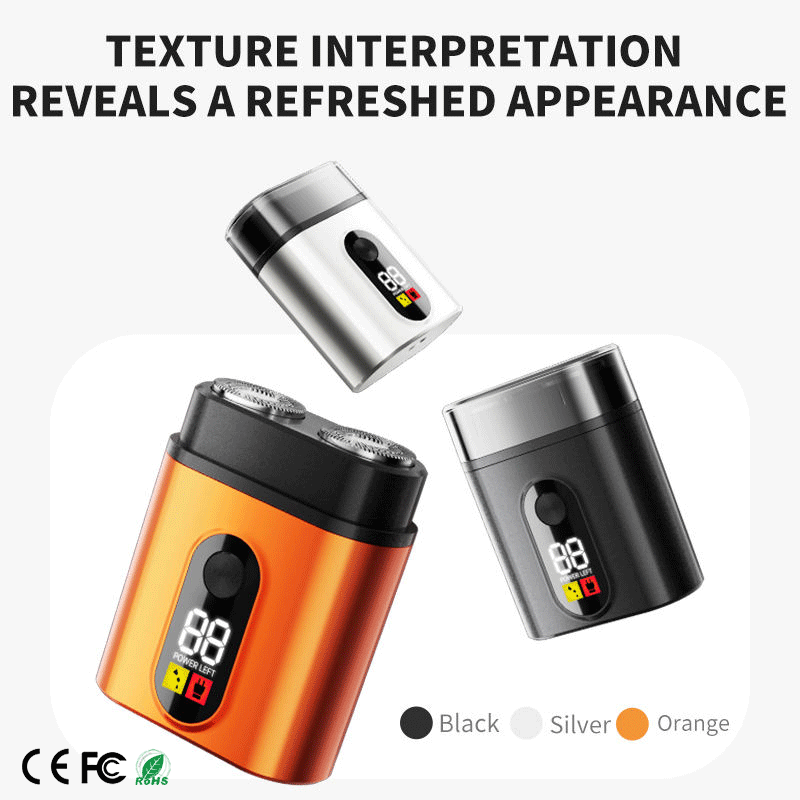
Customization transforms standard OEM products into unique offers that fulfill the expectations of your target group.
We incorporate local preferences in our design and specifications for hair clippers. For example, consumers in Europe might prefer lighter clippers that are quieter than clippers for consumers in the U.S. where professionals cut all types of hair and need high-torque clippers to cut thick hair all day. Your custom colors, grip styles, and packaging design will also give your private label hair clippers the necessary retail appeal to compete with other products on the market.
While enabling differentiation through customization, excessive changes may drive up costs unnecessarily. Therefore, it is advisable to focus on functional upgrades such as increased battery life or high quality blade materials, as opposed to non-functional color changes. It is also wise to investigate MOQ flexibility early on and note that some manufacturers will enable you to run a smaller pilot order that does not hold as much financial risk for the initial launch into the market.
Sustainability of financial planning is determined by a balance of cost efficiency and long-term profitability.
A slightly higher unit price may yield stronger ROI if it results in fewer returns or better user reviews enhancing brand reputation over time. Additionally, logistics costs matter: shipping from Asia to North America can add 10–15% to landed costs depending on freight rates and customs duties.
Negotiate payment terms such as 30% down payment and the balance to be paid after the inspection approval. Using an escrow service or third party inspection agencies early on in the collaboration helps to build trust as both parties are not yet familiar with each other.
Delivery times have a direct influence on Market Responsiveness at peak season or at promotion times.
Lead times for standard production are typically around 45–60 days. Even shorter production cycles would not be desirable as they could prevent adequate inspection and testing of the parts. One should rather find out if the manufacturer keeps the necessary raw materials in stock in order to be able to deliver within short notice. This would be a sign of a very mature supply chain.
The global logistics systems have exposed some weaknesses during the recent pandemic. Local sourcing of key components for manufacturing allows for a much faster recovery from any disruptions to the global supply, than relying on 100% international sources. A point to bear in mind when assessing long-term partners.
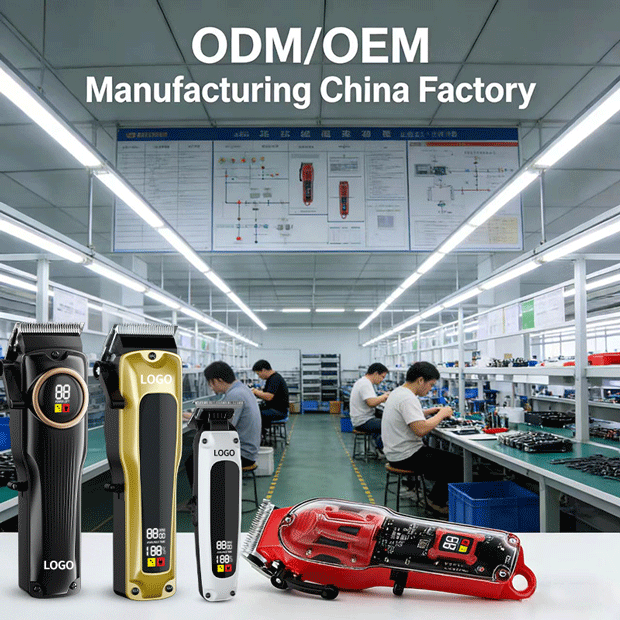
Establishing sustainable relationships requires more than transactional exchanges. It requires mutual trust that flows from consistent communication about each others goals.
Having regular video calls during the prototype development phases to clarify design expectations in real time is way more effective than going back and forth in email. Using online tools to share and view the progress in real time, also cuts down on the number of revisions and time to get back to the team significantly especially when teams are based in different time zones.
Annual visits confirm that our contract terms regarding cleanliness and worker safety are being adhered to at all times as well as the processes around the QC procedures at our factory. Virtual audits conducted using live streaming can also be used when travel is not possible and ensure full integrity of the audit.
SUOKE Electric, one of the established OEM/ODM suppliers in the field of grooming tools, adheres to all of the above-mentioned best practices for production of private label hair clippers. The company uses certified production systems and very transparent communication with clients all over the world. SUOKE Electric integrates latest tooling technologies with flexible design options for private label hair clippers, in order to meet every client’s special needs. In addition to designing and developing of private label hair clippers, SUOKE Electric also optimizes motors, refines ergonomically shaped hair clipper casings, provides advice on packaging design and conducts multiple stages of hair clippers’ tests in order to guarantee highest possible durability of hair clippers’ durability and to check production consistency. After that, SUOKE Electric also coordinates hair clippers’ logistics in line with clients’ markets’ schedules all over the world.
Evaluating potential hair clipper manufacturers is a critical process that assesses key criteria, including technical ability, transparency, compliance, financial stability and cultural compatibility. When a brand takes the time to thoroughly research and qualify potential suppliers, they can experience the benefits of lower defect rates and higher customer satisfaction metrics. Utilizing a comprehensive due diligence process, grounded in hard data such as supplier certifications or return statistics, effectively mitigates risk and can leave a company’s supply chain better prepared to face challenges of an ever-changing global hair grooming market.
It would be good to check for a manufacturers ISO9001 quality management certification and CE or RoHS certification depending on your markets.
I would like to request some samples first, and then ask for a quality check by a third party, providing a detailed report on the quality of the articles, checking e.g. the motor speed and the battery life.
Typical MOQs for private label products such as hair clippers would be around 500-1000 units depending on the degree of customization involved. However some suppliers are willing to accept lower MOQs for a first time collaboration with a new supplier.
After-sales terms clearly have to be declared before; serious manufacturers keep a stock of spare parts and replace articles within agreed time.
Chinese manufacturers like SUOKE Electric have advantage of broader component sourcing and cost competitive solutions while maintaining accuracy for large number of product designs required for a good private label operation that operates globally.