
The global demand for personal care appliances is on the increase as more and more people pay attention to beauty and personal care. Statista forecasts the global market of personal care appliances will exceed USD 30 billion by 2027 and China will remain a key manufacturing hub and a place for innovation. For companies looking for OEM (Original Equipment Manufacturer) or ODM (Original Design Manufacturer) services, it is very important to find a supplier of personal care appliances in China who can help them to balance safety and compliance with cost. This article will detail how to find the right supplier and how to manage production and develop partnership for long-term growth.
Picking the right manufacturing partner for you is critical in determining the quality of your products and also your supply chain.
When evaluating potential suppliers, certifications are the first checkpoint. Factories holding ISO9001 demonstrate structured quality management systems; BSCI certification indicates responsible labor practices; CE compliance ensures products meet European safety standards. For ODM partnerships, R&D capabilities are particularly important—strong design and engineering teams can translate conceptual sketches into functional prototypes faster. Production capacity also matters; a factory’s ability to maintain consistent output during peak seasons reflects its operational maturity.
Simply reviewing documentation is not enough to create confidence in a supplier’s credentials. Brands should look to verify a supplier’s credentials through action. Commissioning a third party audit or even simply requesting a sample production is an ideal way to put a supplier through their paces before placing a large order. It is also a good idea to contact previous international clients of a supplier to gain insight into how a supplier handles communication and post sale service. Online sourcing platforms such as Alibaba Verified Supplier and Made-in-China Gold Member listings are a good place to start when searching for suppliers however Brands should always supplement this with their own due diligence.
By understanding the OEM and ODM models it is possible to determine the right way of collaboration for your brand, based on your internal capabilities.
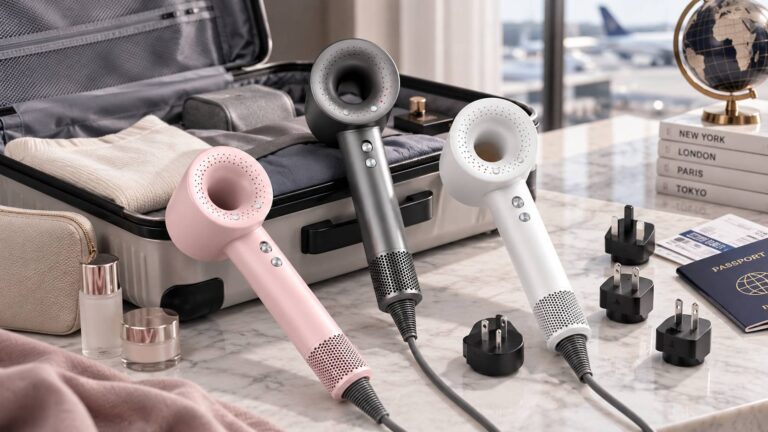
OEM manufacturing for companies with established designs that need to increase their production volume. Supplier manufactures to design specifications, and usually allows for branding and packaging changes. This is a low R&D cost way to do engineering, that maintains consistency. Typically used for items such as hair dryers, and electric shavers that contain mostly standard parts.
ODM partnerships go deeper. They involve full-cycle product creation—from concept sketches to mold development and performance testing. This approach benefits startups or brands entering new markets that need innovative products without building internal R&D teams. It encourages co-development where manufacturers contribute technical know-how while clients focus on market positioning.
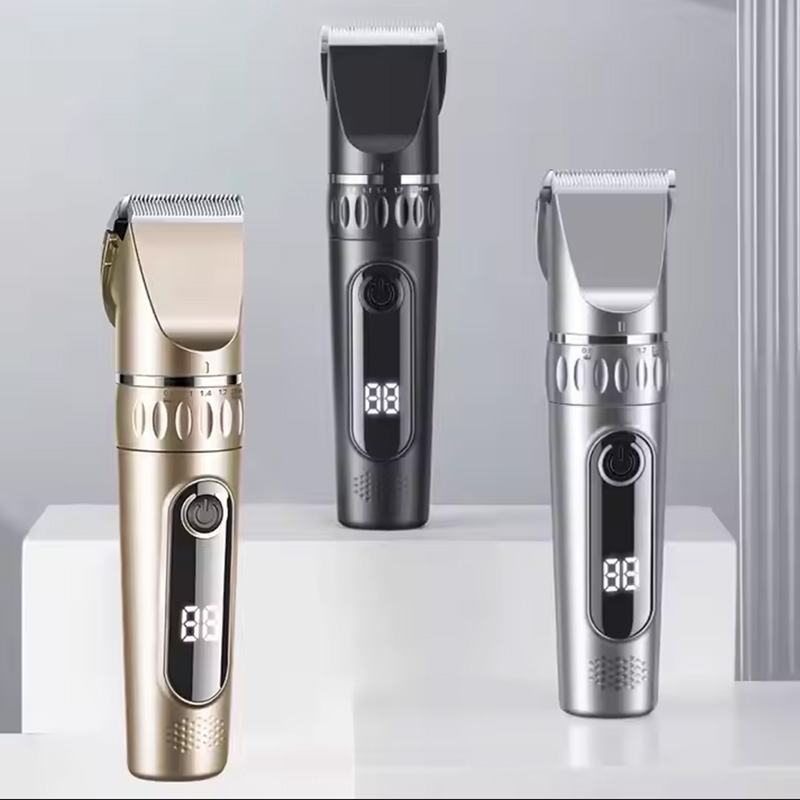
Personal care appliances are used directly on the consumer’s body and as such are required to comply with international safety standards.
Exporting to Europe or North America requires RoHS (Restriction of Hazardous Substances), REACH (Registration, Evaluation, Authorization, and Restriction of Chemicals) and UL (Underwriters Laboratories) certification. Non-compliance with these restrictions can result in products being detained at customs or even recalled, potentially causing significant financial losses and harm to a company’s reputation within a short period of time and ultimately leading to a loss of customer trust overnight.
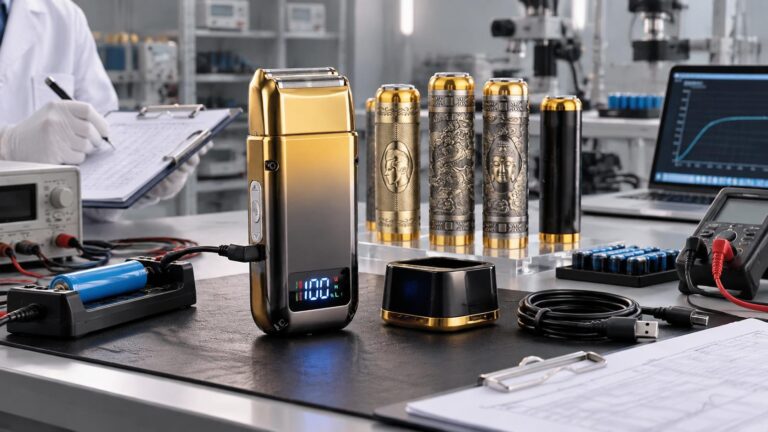
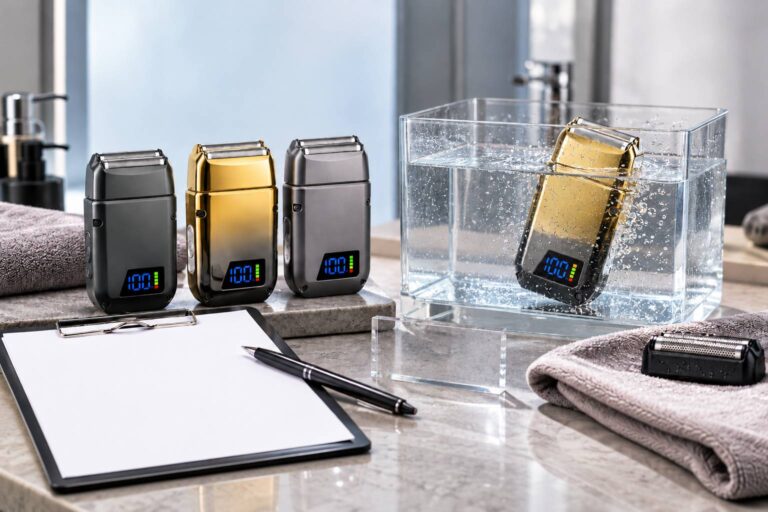
Conducting a robust inspection plan throughout the production will be key to identifying any defects early. Also suppliers of good quality should provide necessary test reports from independent laboratories such as SGS or TUV Rheinland to confirm electrical safety, durability and chemical composition etc.
Cutting costs to source in China is still a major motivator for companies but, in an effort to drive down prices, to cut corners on quality is to invite quick failure.
Seasonality of raw material pricing can vary and be subject to rise such as the cost of plastic resins and heating elements during periods of high demand. Long term contracts can be negotiated to reduce fluctuation of pricing. In terms of labor, seasonality of automated production levels can impact costs with highly automated production achieving tighter tolerances with less defects.
Brands can consolidate orders across multiple SKUs to gain economies of scale in tooling and logistics. Another effective strategy is working with suppliers offering modular design options; interchangeable parts reduce retooling costs when updating product lines without sacrificing structural integrity.
Even with the best planning, execution of cross-border projects can have their specific challenges which can be prevented by active management.
Language differences or misunderstandings of technical information may cause confusion in reading documents or delayed answers during production periods. Having bilingual project managers or by using tools such as Trello or Asana that can be shared, production milestones can be managed transparently. Clearly laying out the details of specifications can also help prevent any confusion or costly mistakes later on in the production process.
Protection of Intellectual Property is an important consideration in cross border manufacturing. Prior to the commencement of mass production of any branded goods, trademark registrations should be obtained in the relevant countries. Non disclosure agreements which cover all items relating to the molds, design files and proprietary technology of each party, can be used to protect their intellectual property interests whilst at the same time obtaining the cooperation and confidence of their partners.
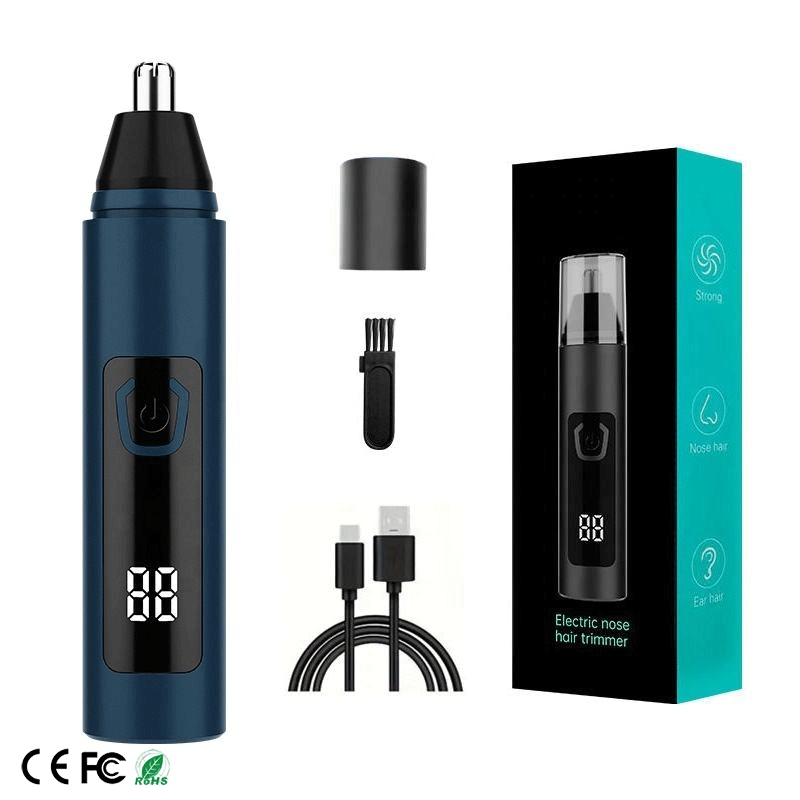
ROI for a product extends beyond the per-unit cost savings to include the overall value created throughout the product’s lifecycle.
Durability has a direct correlation with warranty returns, with fewer returns translating into higher customer satisfaction scores and repeat business. Reduced lead times enable the business to increase its inventory turnover rates, critical for fast-moving consumer goods with low margins such as the grooming appliances business.
A reliable supplier can evolve in the course of time into a strategic partner who, in addition to providing the necessary volume for the launch of current products, also provides technical insights which can be of value for future launches. The close cooperation between supplier and manufacturer of original equipment creates – in addition to the mutual learning process – also opportunities to adapt together to changes in the market. Negotiations therefore are no longer of a merely commercial nature.
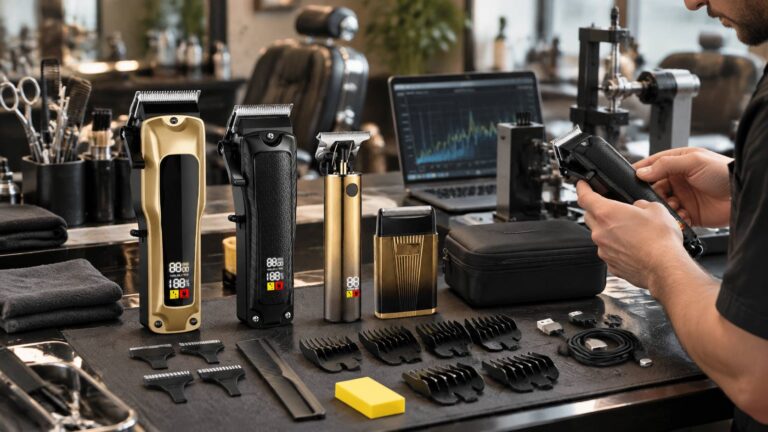
At SUOKE Electric, we specialize in effective collaboration to help global clients source personal care appliances such as hair dryers, shavers, hair removal devices, and other grooming kits. We operate under a strict quality control system in line with CE, CB, and ETL certification requirements, while maintaining clear communication with all parties throughout the OEM/ODM process.Our expert engineering team works closely with clients to design ergonomic molds for personal care appliances, helping products meet Western market expectations for comfort, usability, and performance. We also coordinate the worldwide supply of spare parts to support after-sales service for distributors around the globe.
Sourcing of personal care appliances from Chinese OEM/ODM manufacturers requires a more in-depth evaluation than just finding the cheapest offer. An assessment of the safety certifications, the production capacity, the cost structure as well as the IP protection must already be included in the supplier selection process. In this way, the brands can achieve a consistent quality of delivery and can prevent potential risks to their operation. Collaboration models that are conducted on a transparent basis not only lead to cost efficiency but also to a stronger brand equity in the long run. The consumer associates reliability with trustworthiness with every product release.
Looking for a reliable hair clipper factory to scale your brand? Contact our engineering team today for a customized manufacturing proposal.
OEM refers to production based on designs provided by buyers, ODM refers to producing products from scratch according to requirements from buyers.
Ask for the official approvals (CE certificates, RoHS certificates) and the third party test reports (SGS test reports, TUV test reports) and perform a factory audit via independent inspection agencies.
Lead times for personal care OEM/ODM appliances typically range from 45 days to 90 days from receipt of order, based on tooling complexity, ordered quantities and degree of customization.
Local trademark registration prior to production, Confidentiality clauses within the contract with Chinese manufacturers, Restrict access to design files that are sensitive in nature.
Other costs such as shipping, import duties, packaging for customization, after sales service commitments as well as the potential for rework due to quality issues.