
Compare the head before cleaning with the way it was put back afterward. That comparison is more useful at the start of a rotary-shaver reassembly complaint than ordering another motor. An OEM return needs a history of the removed parts and where they went, including any uncertainty about their original positions. A closed cover may leave the internal assembly hidden, so it cannot be the only check. Work from the purchased model’s procedure and keep the suspect head together wherever possible.
A carrier removed in one piece is quite different from cutters lifted individually out of their guards. Ask the user to show the parts before repeating the cleaning sequence. If their original locations are forgotten, say so in the record. Guessing which cutter came from which position gives the supplier an apparently complete history that isn’t reliable.
Describe the result more precisely than “doesn’t shave.” Is hair left under one cutting position, or across the whole head? Record any new sound or resistance alongside that observation. Stop for abnormal rubbing, visible damage, or any unsafe behavior, keeping the unit off until assessed. Continued running is not the way to locate a part whose position is in doubt.
The next shave belongs in the history too. If it was the user’s first wet-shaving attempt after previously shaving dry, reassembly was not the only change. For a safe, permitted comparison, use the earlier preparation and technique again. Otherwise the complaint starts with two changes while the investigation treats it as one.
The model and head revision identify the instructions needed. Look for the step permitting removal of each part being discussed. A carrier lifting off the shaver doesn’t establish that the user should dismantle everything inside it. Related products may have a different retainer or a different boundary for user servicing.
Use the service guidance to open a maintenance discussion, then obtain the procedure for this revision. Lay the illustration beside the sample. Can somebody unfamiliar with it identify orientation and the final locking position? If not, resolve the instruction before giving customers another teardown step. Familiarity in the assembly department isn’t evidence that the retail instruction is clear.
Find out exactly what comes in the approved replacement package. Is it the carrier alone, individual cutting sets, or the head complete? Record its identity and compatibility with the purchased shaver. Before using a spare as the reference, get the supplier’s compatibility identification. Being able to insert it into the housing leaves that question unanswered.
A rotary cutting position brings a cutter together with its outer guard. Some designs specify matched cutter-and-guard sets. Where the instructions require that pairing, clean each set separately and keep it together. Another design needs its own instruction; neither free interchangeability nor a matched-set rule should be assumed from appearance.

Seating concerns where the parts rest after cleaning. Illuminate the supports and look for anything preventing the parts reaching their illustrated positions, including retained hair or damage. Cleaning follows the method supplied for the head. Leave the guard openings and shape unchanged rather than probing or bending them to achieve a fit.
A head which resists closure needs its position checked again within the permitted procedure. Don’t overcome that resistance by pressing the housing shut. Photograph the obstruction or misplaced component before authorized correction, then add the corrected view. The two views let the supplier see what changed instead of having only the final exterior to examine.
On a head with a locking ring or frame, find the illustrated locked position and check it before closing the cover. Parts sitting on their supports have not necessarily been secured by the retainer. Once the cover hides it, a photograph of the outside leaves that earlier step unanswered.
Follow the drawing through the carrier’s orientation to its engagement with the drive. Motor noise is heard from the body, whereas the question concerns movement reaching the cutters. For a design whose heads move independently, compare a suspect position with the intact reference. Any acceptance dimension still has to belong to this model.
Oil is another change to document, not something to add speculatively. Check whether the head procedure calls for it and names a lubricant and application point. When a part won’t sit down as illustrated, find out what is keeping it up. Adding oil cannot answer that positional question.
If authorized by the supplier, try a known-good compatible complete head on the same body under unchanged preparation and operating conditions. Label both assemblies and keep the order of checks. Changing several loose cutters and guards at once loses the connection between an individual change and any improvement.
If the reference head restores cutting, further examination can concentrate on the original assembly. Keep the finding at that level until its internal parts have been examined. With the complaint present on both heads, the supplier has a reason to look beyond the suspect assembly before taking it farther apart. For several returns, compare the cleaning histories by head revision, then try any revised illustration with someone unfamiliar with the product before issuing it.
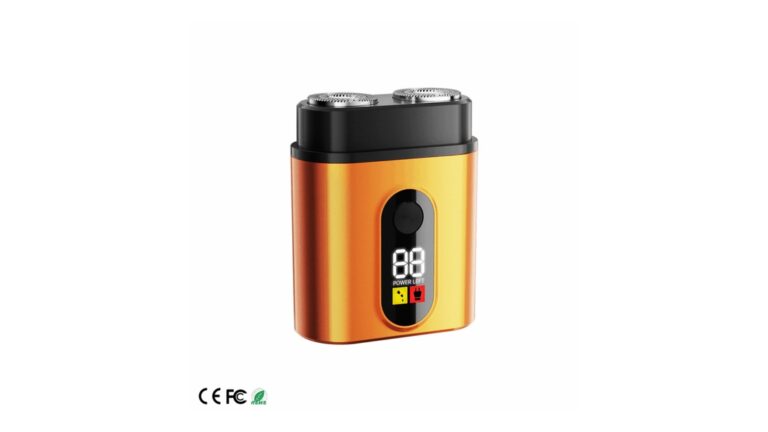
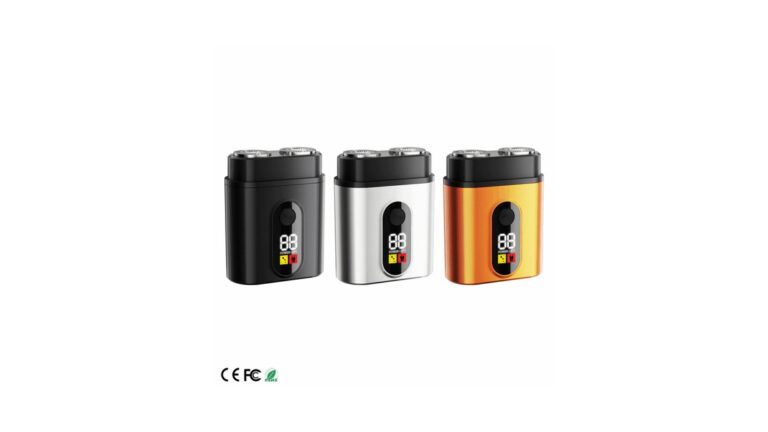
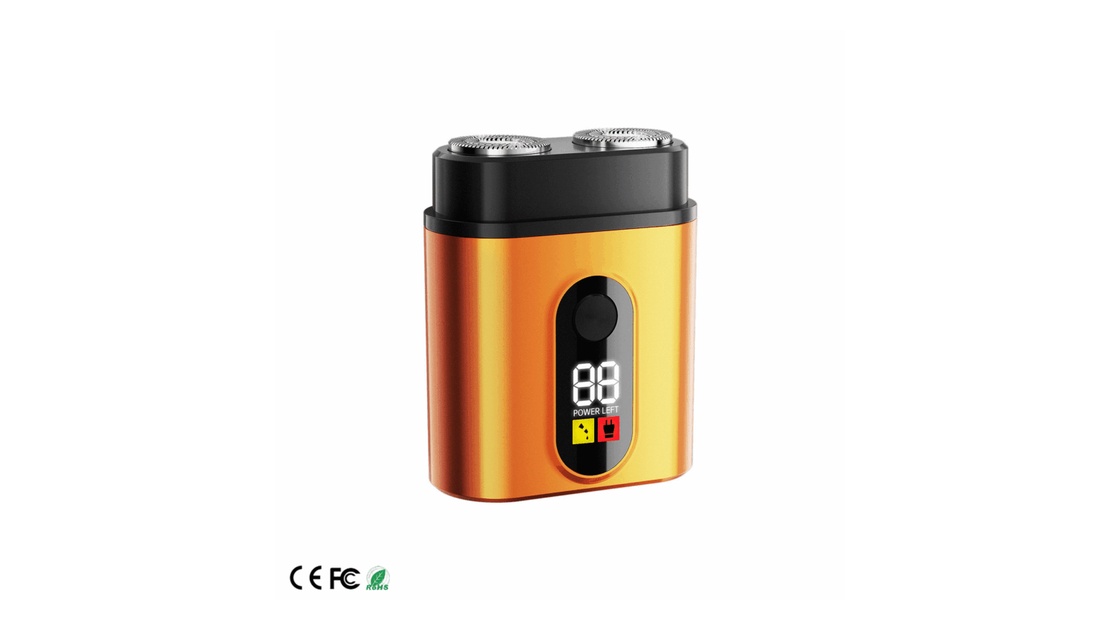
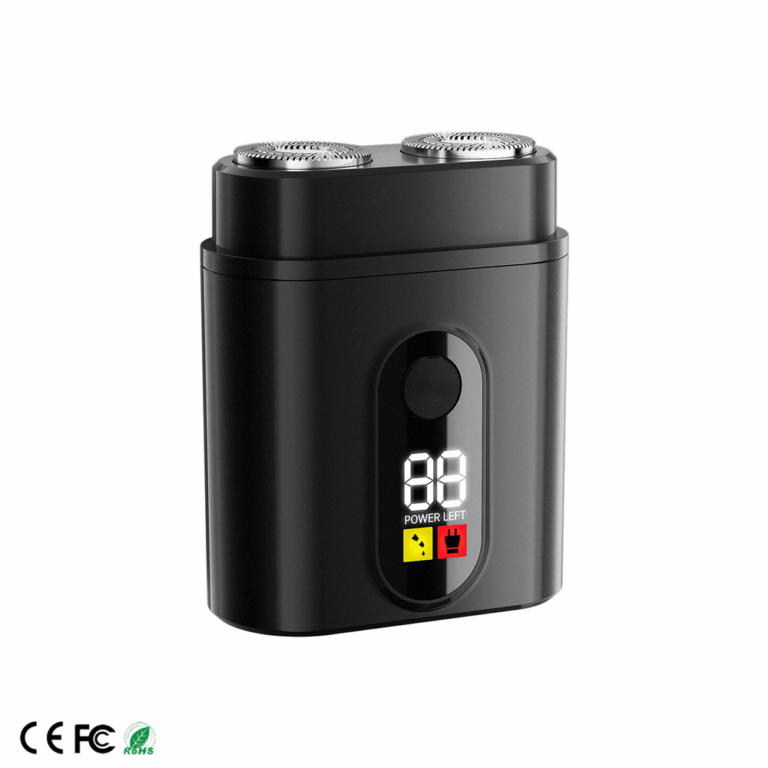
The personal-care products of Yiwu Suoke Electric Appliance Co., Ltd. are available for discussion through its OEM/ODM cooperation offering. Its magnetic dual-head mini electric shaver is a relevant configuration within the shaver range. Submit the purchased model, head revision, loose-part photographs, and comparison findings through the project inquiry channel. Ask for the compatible spare identity and applicable reassembly illustration before approving service stock or customer instructions. Exterior product photographs help identify the item, but don’t provide its internal service procedure.
Follow the cleaning change through the parts that were disturbed. Their pairing, seating, retention, and drive connection must be checked against the actual head procedure. Keep unknown original positions visible in the record. An authorized complete-head comparison can narrow the complaint without mixing its components, preserving the assembly for examination and a better-supported replacement decision.
Keep matched sets together where the particular instructions require it. A rule for another head is not the reference for this one. Similar appearance doesn’t establish compatibility between loose components.
Don’t make it the default remedy. Check reassembly and stop damaged or abnormally rubbing samples. Any assessment or bedding-in procedure should apply to the particular head rather than being borrowed from a different product.
Show the loose parts, their seating, and the final retainer position where accessible within the permitted procedure. Keep model, revision, and cleaning details with them. Explain any uncertainty about where the parts originally belonged.