
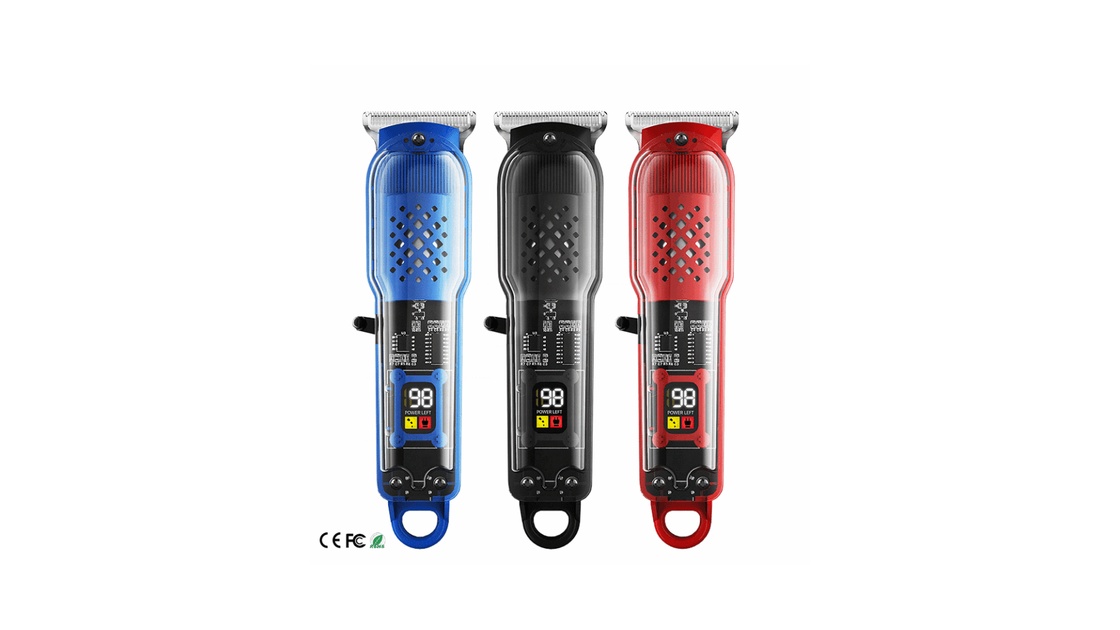
A guide comb marked with a length does not establish what a complete hair clipper kit will leave behind. Off the clipper, the comb no longer shows where the blade sat behind its teeth or which surface rested against the head. Those are part of the length claim, so approval has to follow the assembly into a cutting trial. A ruler beside a loose accessory cannot stand in for that trial.
The retail blade and clipper belong together in the reference sample. Moving a comb to a blade that merely accepts its clips can change where the cutter sits behind the teeth. A physical fit therefore does not establish cutting-length compatibility across models or brands.
If the blade adjusts, its starting position can account for an apparent disagreement over length. Both parties may have fitted the correct accessory but tested different blade positions. The instructions should identify the setting behind the printed claim. There is no reason to borrow another manufacturer’s comb chart when the ordered kit has its own blade and adjustment arrangement.
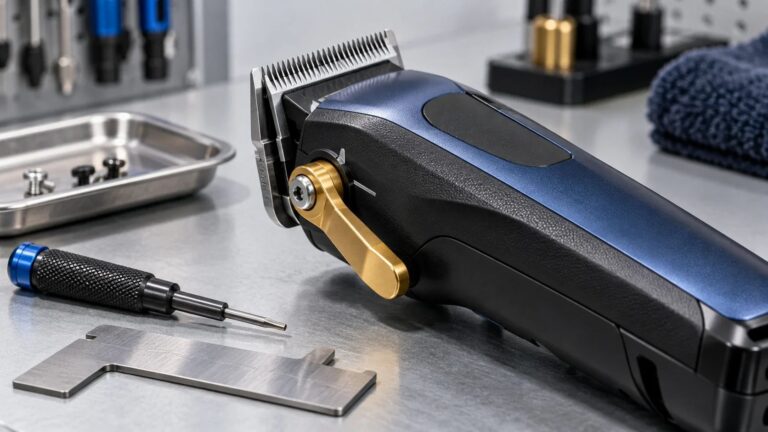
The retained sample should show the blade identity, adjustment position, and fitted comb together. Where the box contains a clipper and a small trimmer, the accessory list needs to distinguish their respective combs. Similar-looking pieces can otherwise become mixed during sample review.
With power disconnected, fit the comb as instructed and inspect how its locating features meet the blade and housing. A comb sitting high on one side changes the approach to the cutter. Comparing the left and right sides can reveal that condition before a cutting trial starts.
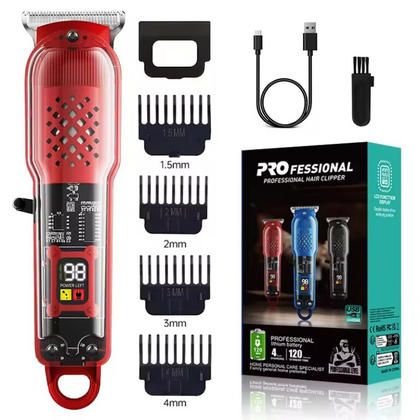
Tooth height by itself is not the residual hair length. The contact surface sets the tool against the head; farther back, the blade meets the hair fed through the teeth. Measuring a tooth alone misses that relationship. Compare the dimensions in the fitted position when trying to explain why one sample cuts differently.
Uneven seating can leave a short strip along one side of a pass. Before taking the accessory off, photograph it on the blade from both sides. Removal loses that view of the fit.
Different test sections can conceal accessory variation. Choose comparable tresses with the supplier before the trial. A denser section or different support can change how hair meets the blade, so the starting length and preparation belong in that agreement too. A substitute test material needs its own justification: repeating a result on it does not establish the corresponding length on hair.
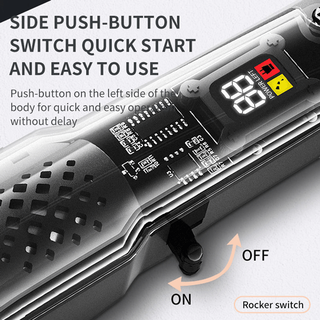
Blade preparation follows the instructions, and the operating mode and power condition stay consistent between runs. Otherwise, a dirty cutter or changing battery state may explain the difference being attributed to the comb.
Hair lying toward the cutter presents differently from hair lying away from it. The test record should make the direction clear, together with the pass speed and angle. Contact pressure matters as well: pressing the comb hard into the support can bend it or compress the test section. A shorter result obtained that way says little about ordinary use.
Pass count belongs to the method. Repeated passes may collect hairs missed on the first pass. That makes a single-pass section a poor comparison with a section cut several times. Note whether a few strands were missed or the cut section as a whole remained long. Those observations lead to different questions.
Presentation at measurement matters too. A bent or compressed fiber presents a different apparent length; prepare and support each measured section alike. Sample the same positions across the section, retaining edge readings that could expose a tilted fit.
Retain the individual readings and photographs, including the spread across the section. An average can hide a short strip caused by uneven seating. The agreed method needs an agreed acceptance range. Neither the molded nominal length nor another kit’s tolerance establishes that range for this assembly.
A surprising result should first survive another run under the agreed conditions. After that, the suspect comb and retained comb can be compared on one approved clipper. If another unit is used for a reverse comparison, compatibility must already be confirmed.
When the result travels with the accessory, its fit, dimensions, and marking become the useful leads. When it stays with the clipper, check the blade identity and recorded setting. Variation that follows the operator instead calls for a closer look at the trial method. Blade alignment should remain within the model’s authorized service procedure throughout this work.
Before production release, connect each approved comb to its identity, marked length, intended clipper, and test result. Use that mapping in the accessory list and packaging artwork as well. When a mold or blade changes, check whether the combination behind the earlier approval still exists before carrying its result forward.
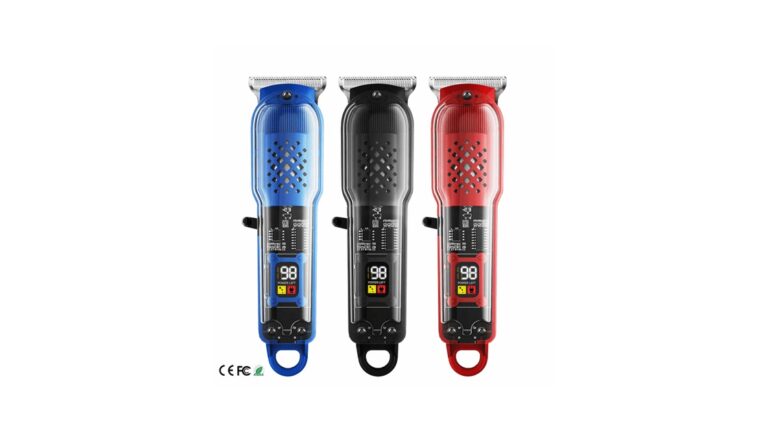
Hair clippers and other personal-care appliances form part of the OEM and ODM business of Yiwu Suoke Electric Appliance Co., Ltd. Its transparent hair clipper with an adjustable limiting comb offers a relevant configuration to discuss. For an order, buyers should confirm which blade and comb set will be supplied, which adjustment supports the length claim, and which trial will be used for approval. The project inquiry channel can carry that kit list and proposed method. Published service information provides care guidance, but a general page does not establish a cutting-length tolerance for the ordered combination.
The approval reference should preserve the combination that produced the cut: clipper, blade setting, fitted comb, and trial conditions. A dimensional discrepancy is then something that can be connected to a measured result. Keeping that reference beside the packaging length claims gives production a check that can be repeated.
No universal compatibility follows from a number. Confirm the intended blade interface and the actual cutting result for each approved combination.
It can identify variation in the plastic and its fit, but it does not reproduce hair presentation or cutting. Use it to explain and control a verified result.
The trial should cover the settings behind the kit’s published claims and instructions. Where several positions are advertised, verify those relationships. A convenient unadvertised setting should not become the approval reference without being identified.