
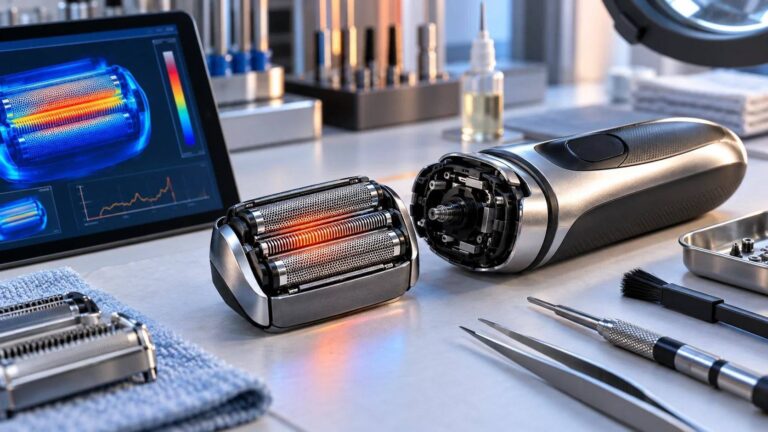
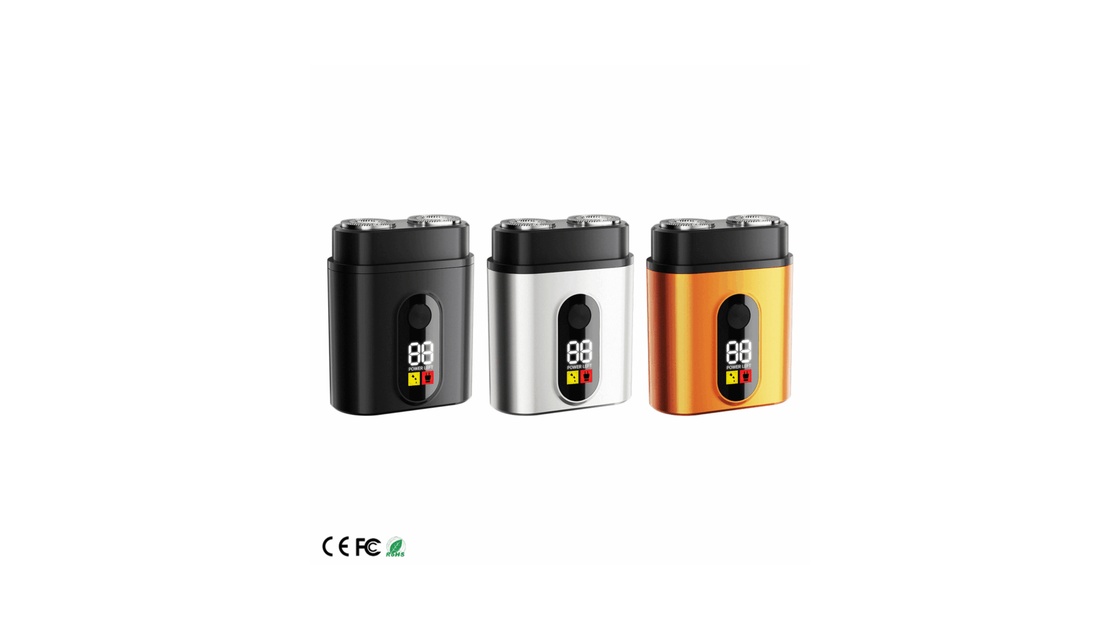
A brown patch on a rinsed shaver can send a buyer straight to the material specification. Begin with the part that changed. An exposed cutter receives the rinse directly, whereas a covered recess may hold water long after the rinse ends. Locating the brown patch in relation to the washable electric shaver’s permitted wet area narrows what needs to be examined.
The care leaflet needs to belong to this sample, not a similar-looking unit. It may permit only a detached head under the tap. A different model may be rinsed while assembled without being suitable for soaking or shower use. Reproduce only the stated process. Any claimed IP rating needs model-specific evidence of its own.
The cleaning history often supplies the next question. Was the head removed? Was a cleaning product added? Ask also about connection to external power, using the cleaning record or the user’s account rather than filling gaps by assumption. Handling and cleaning require disconnection and the model’s safety procedure. A sample suspected of having water inside its powered enclosure stays out of use and off charge pending qualified assessment.
An improvised soak would answer a different question from the rinse that preceded the complaint. That changes the exposure before the original condition has been understood. A separate misuse or accelerated test may have a purpose, but its result needs to remain attached to that purpose.
The first photographs should capture the unit before cleaning changes the received condition. Name the photographed part and show its position on the head. That lets a second examiner distinguish an edge washed directly by the tap from a recess where water collects. The phrase rusty head is too broad to choose an examination. A patch beginning at a scratch suggests a different local condition from residue spread over adjacent metal and plastic.
A dried deposit can contain dissolved solids as well as hair and residues from care products. Its color tells little about the surface below. Where cleaning is authorized, compare that surface before and after: did the layer lift away, or are pits and roughness still visible? Keep photographs of both conditions. Further work may still be needed to explain it.
An untouched unit gives a laboratory the received surface to examine. The transition into a damaged patch may disappear with scraping or rust-removal chemicals, leaving the examiner less to work with. Even a patch that cleans away should be recorded as a local finding, rather than used to clear unexamined parts of the appliance.
The visible face dries first. Beneath the cover, closely fitted parts can hold water after the outside appears dry; hair or residue may prolong that contact. A cap put back too early can change that drying path. So can a pouch closed around a damp head.
The comparison should follow the model’s permitted drying arrangement. If a head may be opened or removed for drying, note whether that happened. Keep its orientation and the surrounding conditions in the record. A fixed waiting time borrowed from another head may leave this one wet. Use the authorized drying process throughout the comparison. Adding heat or compressed air makes the comparison a different exposure; probing the passage may damage it.
Where samples remain safe to assess, repeat the authorized rinse on comparable units. If storage is the suspected difference, hold the water and cleaning process constant while comparing the relevant permitted drying arrangements. Keep the camera on the selected areas at each observation interval. The record then shows how they changed rather than only the final appearance.
A mark returning at the last place to dry suggests that duration of wet contact matters. Examine the surface there and the residue or geometry that may have kept water against it. Identifying a wrong material or an actual leak still requires evidence beyond that association.
A head can contain a wet cleaning area beside an electrical barrier. Water under its removable cover may be entirely within the intended wet area. Construction and service information are needed to locate that boundary, which may sit behind the visible outer seam.
A suspected route into a sealed body requires qualified examination. The joint must be documented before opening changes it, with the received condition and location of moisture retained in the record. Formal ingress verification, when needed, follows the declared model claim and applicable test method. A rinse video cannot supply that verification.
Port stains warrant examination of the path beyond the visible mark, including whether the battery space stayed dry. That belongs to the qualified assessment already required for suspected internal moisture.
If users followed an ambiguous illustration into an area that should stay dry, revising the illustration addresses a demonstrated problem. If the permitted process itself leaves a recurring wet pocket, examine the drainage and drying arrangement instead. Repeated surface damage on comparable units calls for review of the affected material, finish, handling, and process records.
An unused reference helps separate an original surface condition from later exposure. A scratched return exposed to unknown cleaning chemicals cannot represent every unit in the batch. The scope of the next check follows the evidence collected. A changed seal or material needs verification, as does an assembly change or revised care process; the resulting hardware and leaflet must still describe the same intended use.
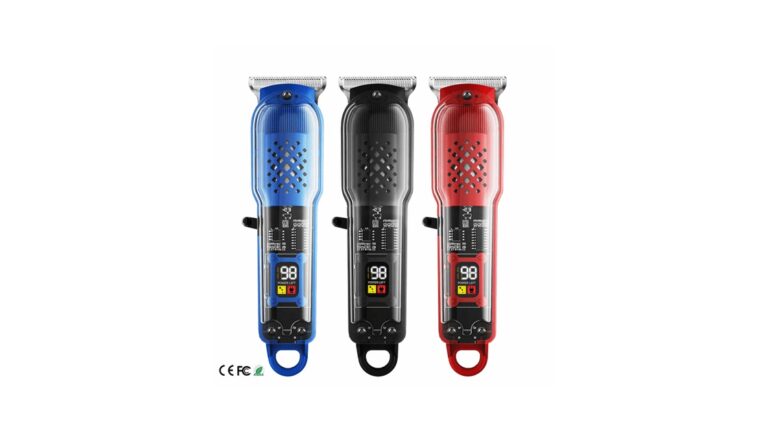
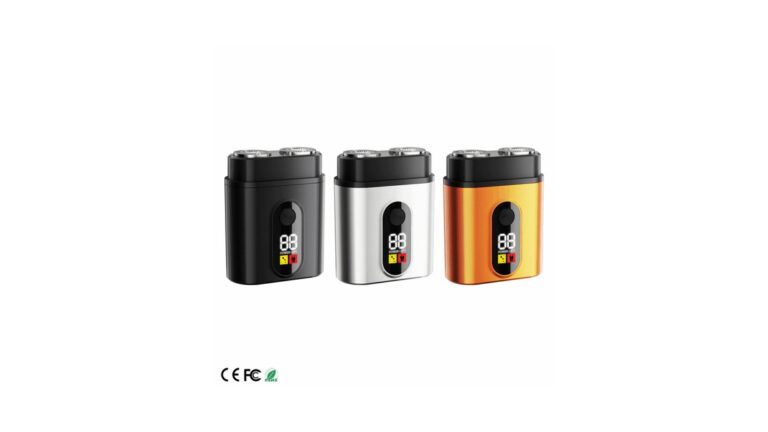
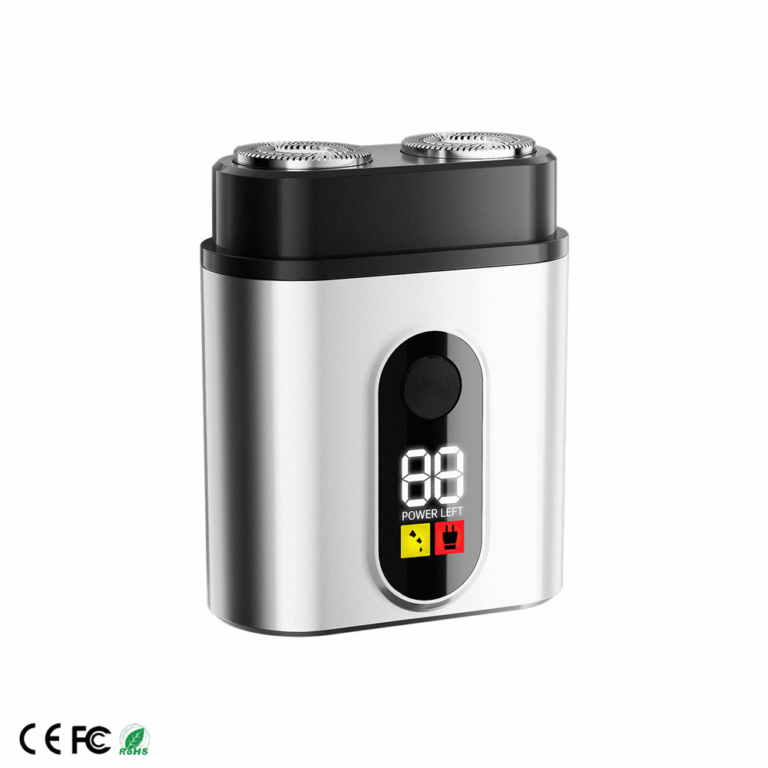
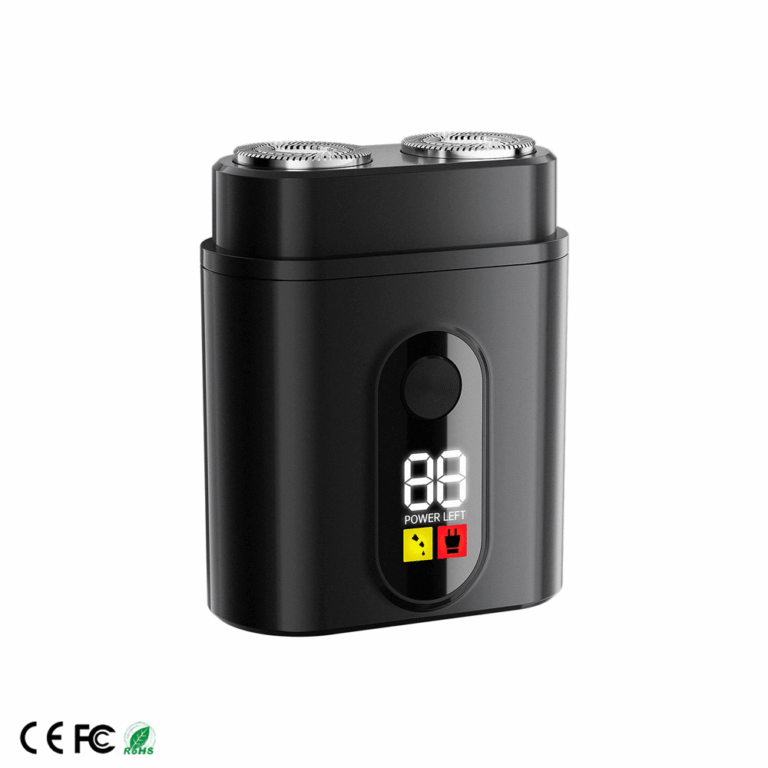
Yiwu Suoke Electric Appliance Co., Ltd. lists a washable double-head rotary shaver for discussion with buyers planning an OEM or ODM order. Use the actual order configuration to confirm the permitted wet areas, drying arrangement, and replacement head before accepting the care claim. The service guidance and project inquiry channel can support that discussion using photographs and the cleaning history. General care wording does not establish an ingress rating or corrosion limit for every model.
Finding the affected surface determines which question comes next. A removable deposit calls for different work from pitting, a wet recess, or evidence that water passed an electrical barrier. The authorized rinse remains the reference exposure throughout.
Identify the actual grade and surface condition, then relate them to the contaminants and exposure. The description stainless by itself cannot explain the patch.
Salt changes the exposure. An accelerated procedure can have a useful purpose of its own. Its result applies to that accelerated exposure unless a relationship to ordinary service has been established.
No. Check which parts the instructions allow to contact water. The ordered model, care leaflet, and packaging claim must describe the same boundary.