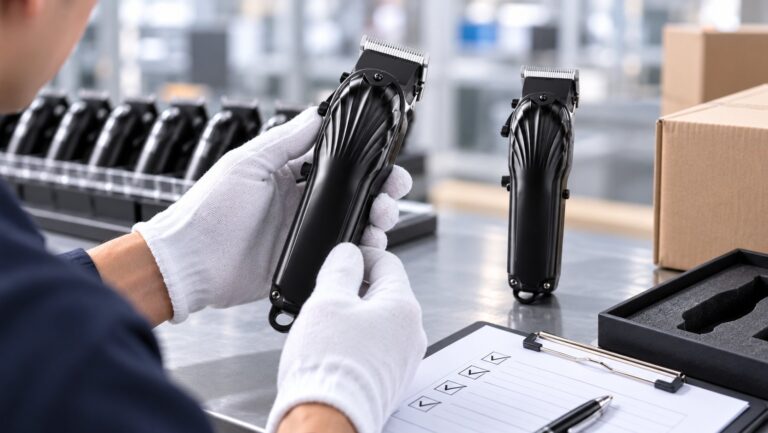

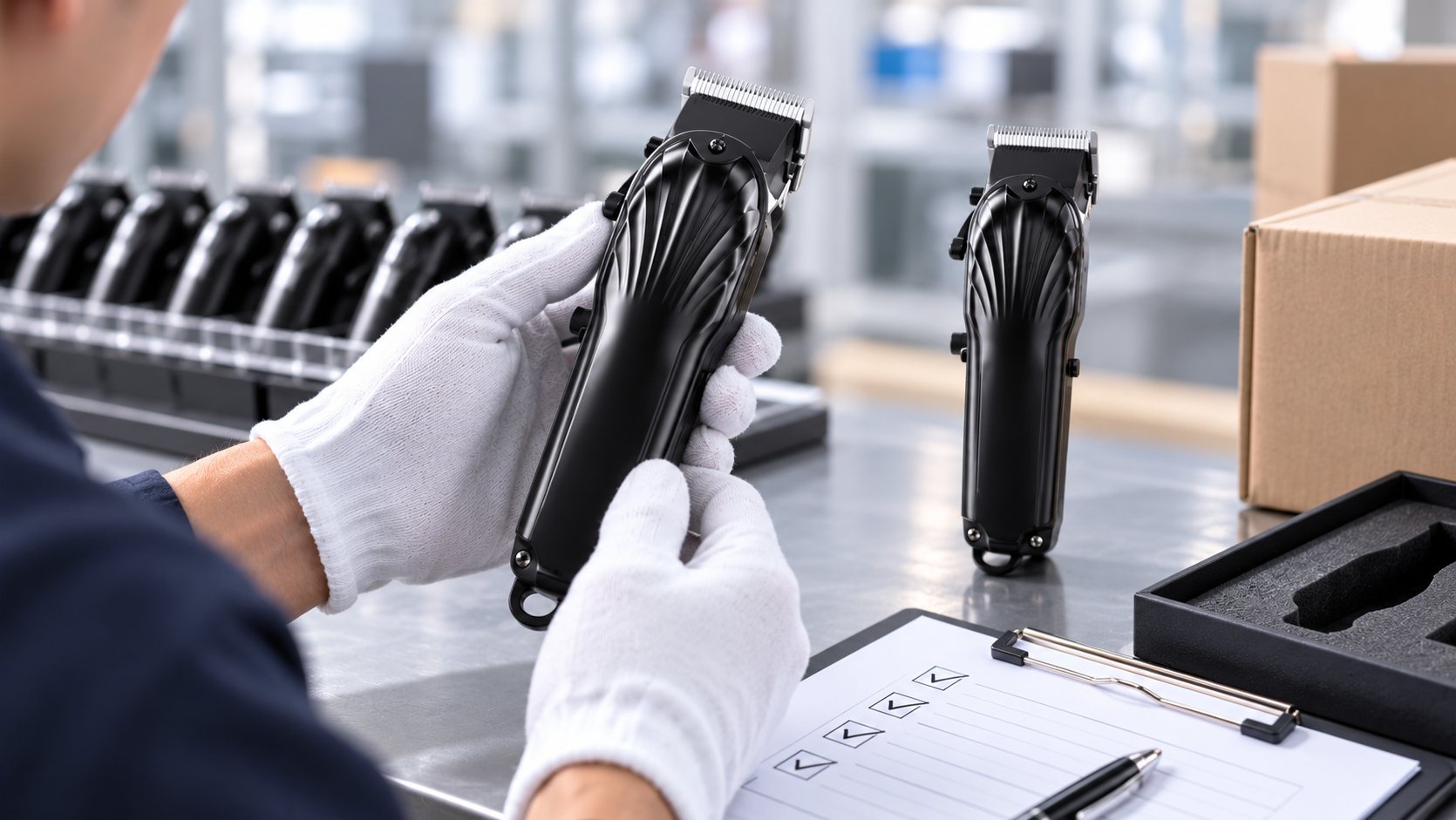
A pre-shipment inspection is useful only when it answers one question clearly: does the finished order still match what the buyer approved earlier? By the time electric shavers reach final inspection, the buyer has usually spent weeks confirming the shaving system, housing, charging arrangement, accessories, packaging and artwork. The risk is that small changes made during production are easy to miss because the finished product still looks broadly correct. Importers therefore need an inspection plan built around the approved sample and final order documents rather than a generic checklist. The most valuable checks are the ones that prevent functional failures, missing accessories, cosmetic inconsistencies and packing problems from reaching the market.
The inspection itself should not be the first time the buyer decides what counts as acceptable. That conversation needs to happen earlier, while the supplier still has time to correct production without delaying shipment.
The inspector needs a clear reference set. This normally includes the approved sample, final product configuration, accessory list, packaging files, labels and any revisions made after sample approval. If a charging cable, finish, manual or accessory was changed during production, that change should be visible in the inspection instructions.
A vague note such as “check quality” leaves too much room for interpretation. A better inspection brief identifies what must remain unchanged and which failures would affect shipment approval.
A compact travel shaver and a multi-piece grooming set do not create the same inspection risks. The first may be more sensitive to charging, housing fit and portability details. A set introduces additional risk around missing accessories, incorrect packing and inconsistent component combinations.
That is why the exact SKU matters.
An importer should ask the inspector to work from the actual configuration being shipped, not from a generic electric appliance form. The wider electric shaver category can help purchasing teams distinguish the different product formats that may require different inspection points.
A quick power-on test is too limited. A shaver can switch on and still have an unstable cutter assembly, abnormal vibration, poor charging connection or a head that becomes difficult to remove after assembly.
The useful approach is to test the parts that customers interact with repeatedly.
Start with the shaving head. It should be seated correctly, move as intended and return to position without feeling loose. If the head can be removed for cleaning, the inspector should take it off and reinstall it. A mechanism that works once on the packing line but becomes awkward after opening can later turn into a customer-service issue.
Controls deserve the same attention. Power switches, mode buttons and indicators should respond consistently across sampled units.
| Check | What to Observe | Why It Matters |
|---|---|---|
| Shaving head | Fit, movement, removal | Affects use and cleaning |
| Power control | Stable switching | Reveals assembly or control issues |
| Vibration | Similar feel between samples | May indicate production variation |
| Charging | Connection and indicator response | Prevents unusable units |
| Reassembly | Head locks back correctly | Reduces maintenance complaints |
The table is not meant to replace product-specific acceptance criteria. It helps the importer decide where to spend inspection time.
Short testing can hide differences. A small sample should be operated long enough to reveal unusual motor tone, increasing vibration or unexpected warmth.
This does not require inventing a universal runtime or temperature limit. The inspector is comparing finished units with each other and with the approved reference. An obvious difference deserves attention even when the product still functions.
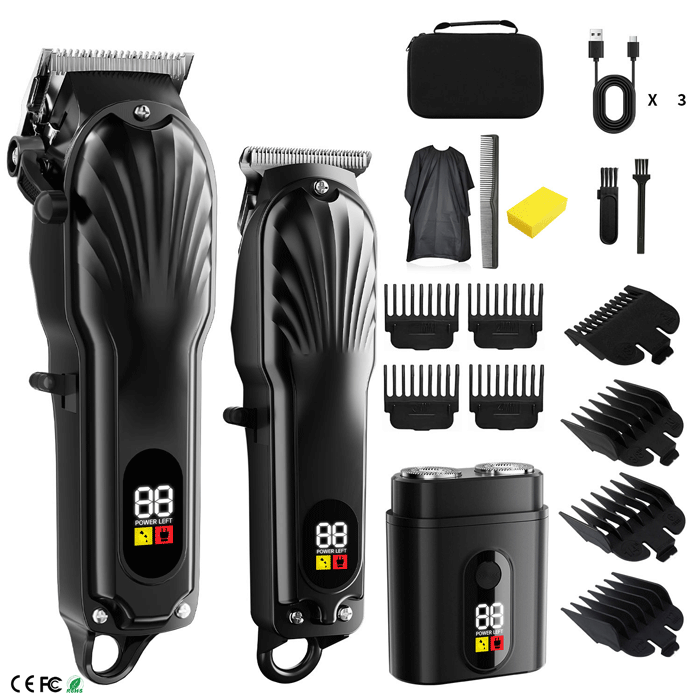
Cosmetic problems become more important once a product is sold under a private label. Customers do not know which factory made the shaver; they judge the brand that appears on the box.
Housing finish, visible gaps, alignment, surface marks and printed details should therefore be checked under consistent conditions.
A finish described only as “black” or “silver” may be too broad for repeat orders. When appearance matters, the approved sample should remain available as the visual reference.
Accessories create another common problem. A shipment can pass functional inspection while still being wrong commercially because a cable, guard, cleaning brush, protective cover or secondary tool is missing.
For sets, the risk increases because more items have to be matched correctly.
The appliance should not move excessively inside the package. Loose parts should not rub against the housing. Manuals and accessories should sit where expected.
Retail packaging should also be checked for crushing, contamination and incorrect artwork. The connection between inspection, packaging and shipment can be reviewed through the supplier’s service process, especially when the order contains several SKUs.
Physical inspection tells the buyer what is inside the carton. Documentation confirms whether that product is the version that was ordered.
The inspector should compare model references, labels, manuals, carton marks, artwork and packing information with the final approved files. This sounds straightforward, yet late-stage revisions are one of the easiest ways for mistakes to enter a shipment.
A packaging file may be updated while the inspector still has the previous revision. A manual may show an earlier accessory configuration. A carton mark may use an old model code.
The problem is not usually dishonesty. It is document control.
One workable method is to include final file names or revision dates in the inspection instruction. That allows the buyer, factory and inspector to work from the same version.
Photos in the inspection report should also prove what was checked. Images of accessories, charging setup, labels, product finish and carton markings are more useful than a report filled with repeated “OK” entries.
Finding defects is only half the job. The buyer also needs a rule for deciding whether the issue is isolated or repeated.
One scratched housing may come from handling. Several scratched housings suggest a packing or assembly problem. A single missing cable may be a packing mistake; repeated missing cables point to a process failure.
This distinction matters because rework carries its own risk.
Opening finished cartons to replace accessories or labels can create fresh scratches, missing items or inconsistent sealing. If rework is required, the buyer should ask what quantity was corrected, how the correction was verified and whether another inspection is needed.
The shipment decision should therefore follow evidence rather than urgency. Release becomes easier when the report shows that the problem was limited, corrected and rechecked.
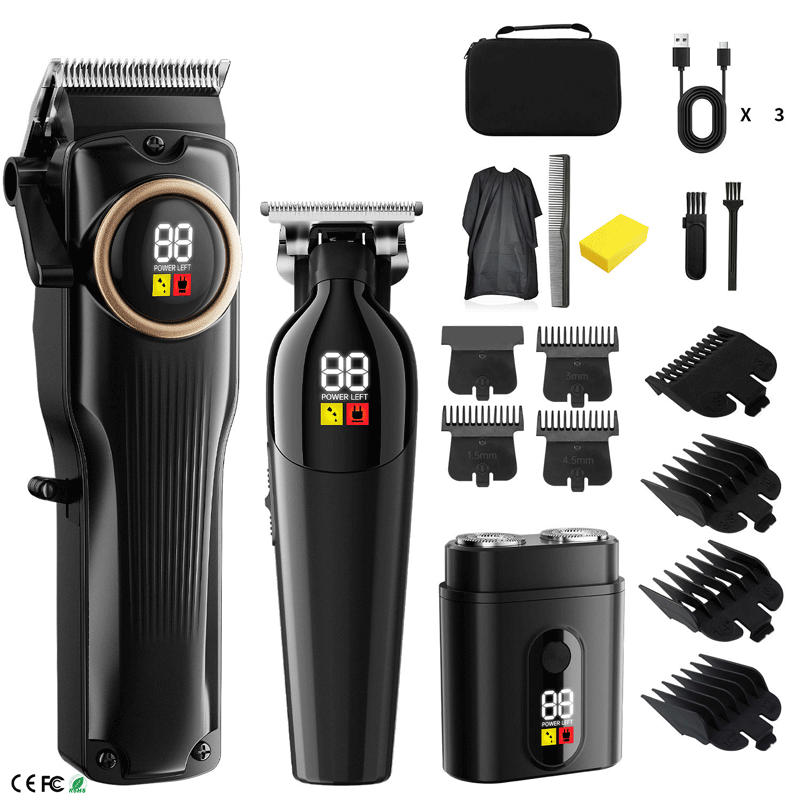
SUOKE Electric supplies electric personal care appliances for overseas retail, distribution and OEM/ODM projects. Its shaver range includes different shaving and grooming formats, so inspection requirements can be aligned with the selected configuration rather than treated as one standard list. For multi-piece orders, the 3pc Professional Custom Logo Face Shaving Tool Rechargeable Beard Trimmer Electric Hair Clipper Barber Kit Full Set with Case is one example where accessory and packing checks become especially relevant. Buyers can also send final order and inspection requirements through the contact page.
Pre-shipment inspection works best when it confirms a product that has already been clearly defined. Importers should compare finished shavers against the approved sample, final accessory list, charging arrangement, artwork and packaging rather than relying on a broad quality checklist. Functional checks need enough depth to reveal unstable heads, inconsistent controls or charging problems, while cosmetic and packing reviews protect retail saleability. When defects appear, the decision should depend on whether the issue is isolated, repeated or still present after rework.
No. The inspector should also look at head fit, controls, charging connection, vibration, cleaning access and reassembly. A product can switch on normally while still having problems that appear during actual use.
It gives the inspector a physical reference for appearance, configuration and assembly. Without it, differences may be difficult to judge, especially when several revisions were made during product development.
Yes. Missing or incorrect accessories can make a finished retail set incomplete even when the shaver itself works correctly. This is particularly important for grooming kits with several components.
A hold may be appropriate when repeated functional, packing or configuration problems suggest a wider production issue. The decision should consider defect severity, frequency and whether corrective work has been verified.
Ask what quantity was reworked, what was changed, how the corrected units were checked and whether the remaining goods were screened for the same issue. Evidence is more useful than a simple statement that rework is complete.