

Emerging grooming brands targeting 2027 will not benefit from having another oversized list of products; they will rather need a reduced number of products with a rationale for their existence. Clippers, shavers, trimmers, pet grooming tools and hair-care appliances are already saturated with visually similar offerings, so launching a generic model and a new logo will unlikely open up much space. More relevant questions are those of the areas in which a buyer can still carve out a clear offer without incurring unnecessary inventory or service issues. That means looking at user type, channel, working performance, accessories, price position and repeat-order stability together rather than treating market opportunity as a trend forecast alone.
There is room, but not equally everywhere.
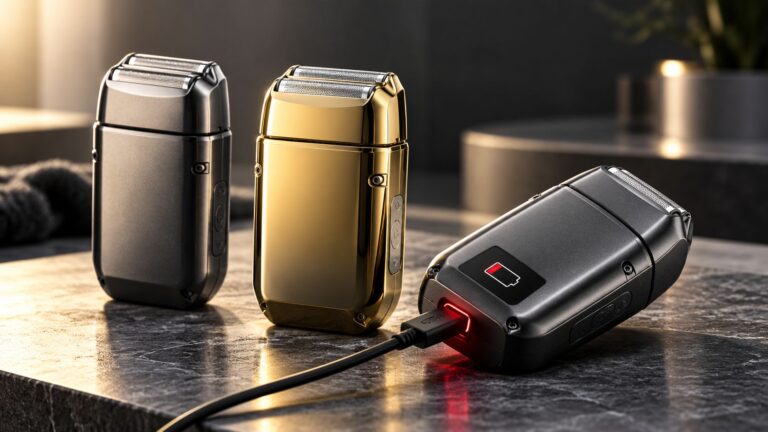
A new brand usually has a better chance when the product solves a narrower problem. A compact travel shaver, a barber-focused clipper, a pet grooming tool designed around quieter operation, or a simple grooming kit with clearly separated functions is easier to explain than a general-purpose device trying to cover every user.
The category itself is only the starting point. What matters is how specific the offer becomes once the buyer defines the customer.
A purchasing team can compare different personal care appliance categories first, but the next step should be to remove anything that does not fit the target user. That tends to produce a stronger shortlist than simply comparing the newest-looking models.
For a small brand, this discipline also reduces stock risk. One clearly positioned SKU is easier to test than three products that differ mainly in color, display style or accessory count.
Many features that once looked distinctive are now routine. Rechargeable batteries, LED indicators, several operating modes and multiple attachments appear across a wide range of grooming products.
The problem is that these features can make two products look different on paper while they feel nearly identical in use.
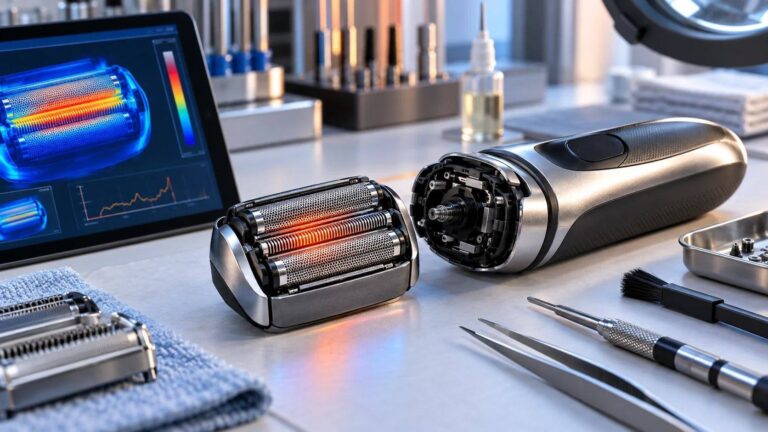
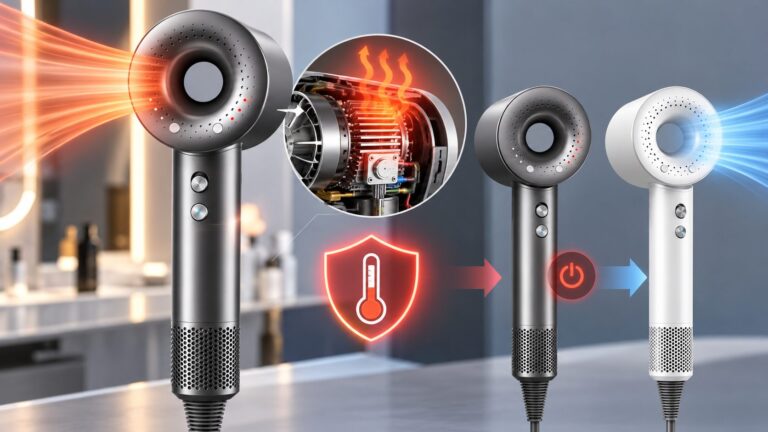
What buyers should pay closer attention to is the part of the product that customers experience repeatedly: cutting behavior, shaving comfort, noise, heat, grip, cleaning and charging.
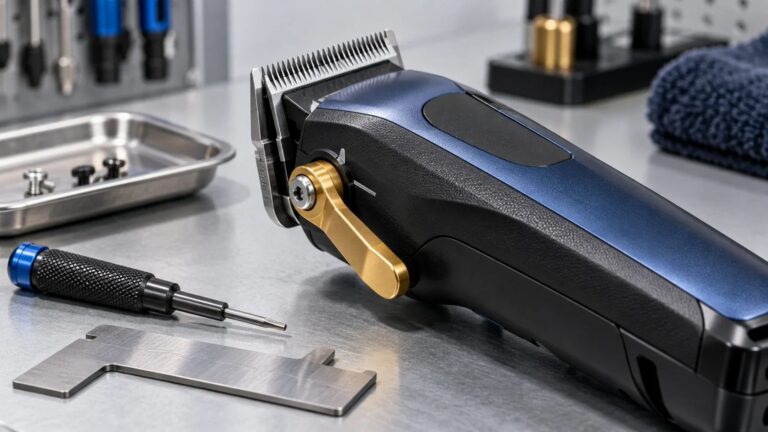
A clipper that feels stable after twenty minutes of use can be more commercially useful than one with an extra display mode. The same applies to a shaver that is easier to clean or a pet grooming tool that is less stressful to operate around an animal.
This sounds obvious, but it is where many product lines become bloated.
If a function adds cost, another component and another possible failure point, there should be a clear reason for keeping it. A feature that is difficult for the sales team to explain will probably be difficult for the customer to value as well.
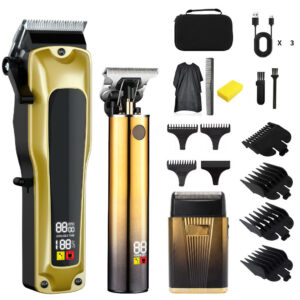
One of the easiest mistakes is launching several models too close together.
A buyer may choose three clippers because each has a slightly different housing, battery display or accessory set. Once they reach the shelf, however, customers may see them as the same product at three different prices.
That makes range planning harder than it looks.
Instead of starting with model numbers, start with roles. One SKU might be compact and simple. Another might be aimed at heavier or more frequent use. A third could combine several tools for users who want one complete set.
The distinction needs to be visible in use, not only in the catalogue.
| Range Decision | Better Question |
| Entry model | What basic job must it do reliably? |
| Mid-range model | What practical upgrade justifies the step up? |
| Higher-priced model | What will the customer actually notice? |
| Bundle | Do the included tools serve different tasks? |
If two products cannot be separated clearly in these terms, keeping both may create more inventory than opportunity.
The first order often receives the most attention. Samples are checked carefully, artwork is reviewed several times and the buyer is still close to every decision.
Problems can appear later.
A cable changes. An accessory is replaced. A surface finish looks slightly different. A working part is revised because the original component is no longer available. None of these changes seems dramatic by itself, but after several small adjustments the repeat order may no longer match the product customers already know.
That is why repeat-order control matters.
A physical sample helps, but it is not enough on its own. The details that affect use should also be recorded: working system, charging method, included accessories, product finish, packaging contents and instructions.
Buyers also need to ask what happens to spare parts. A replacement blade, foil, guide comb or cable has little value if the fitting changes after the first production run.
A supplier’s production and service process is therefore worth reviewing before volume orders, especially when the product is expected to stay in the range for more than one season.
The brief does not need to be long. It needs to stop vague conversations.
“Send us your latest grooming products” gives the supplier almost no useful direction. A better brief states who will use the product, where it will be sold, what job it needs to do, what functions are essential, and what problems the buyer wants to avoid.
That immediately changes sample selection.
A retail buyer may care about package size and a simple feature story. A professional-use product may need closer attention to repeated use, temperature, grip and working-part replacement. A travel product brings different questions again.
The most useful brief normally covers the target user, channel, expected retail level, key functions, charging arrangement, accessories, packaging direction and the points that must remain unchanged on repeat orders.
It should also leave enough room for the supplier to suggest a workable configuration. A sourcing brief is not supposed to dictate every internal component before sampling; it is supposed to make comparison meaningful.
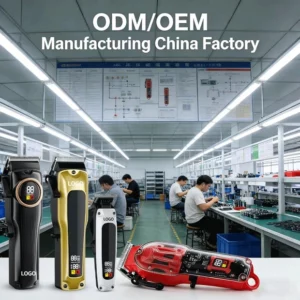
SUOKE Electric develops and supplies electric personal care appliances for overseas retail, distribution and OEM/ODM projects, including hair clippers, shavers, pet grooming tools, electric toothbrushes, hair dryers and nose hair trimmers. Buyers planning a new product line can review the available product categories and discuss model configuration, private label requirements, packaging and production details according to the intended market. The company’s service process covers product confirmation, production coordination, inspection, packaging and shipment preparation, giving purchasing teams a defined point for aligning the approved sample with later production.
The 2027 opportunity for an emerging grooming brand is more likely to come from a sharply defined product than from a broad catalogue filled with similar models. The key decisions sit around user type, working performance, price position, repeat-order consistency and service requirements. Buyers who narrow the use case early, test the parts customers actually notice and keep the approved configuration under control are less exposed to inventory mistakes and specification drift when the product moves beyond its first order.
It can be, provided the brand enters with a clear user and product position. A generic device in a crowded category is harder to defend than a product built around a specific use case.
Usually there is little advantage in doing so. A smaller group of clearly separated SKUs is easier to test, stock and support than several products that overlap heavily.
Focus on features that affect repeated use: cutting or shaving performance, heat, noise, charging, grip, cleaning and accessories. Decorative or rarely used functions should not drive the specification.
Later batches may introduce small component or accessory changes that were not present in the first approved sample. Written specification control helps prevent those changes from reaching customers unnoticed.
The brief should identify the target user, sales channel, product role, essential functions, charging and accessory needs, packaging direction and the main issues that would make a sample unsuitable.