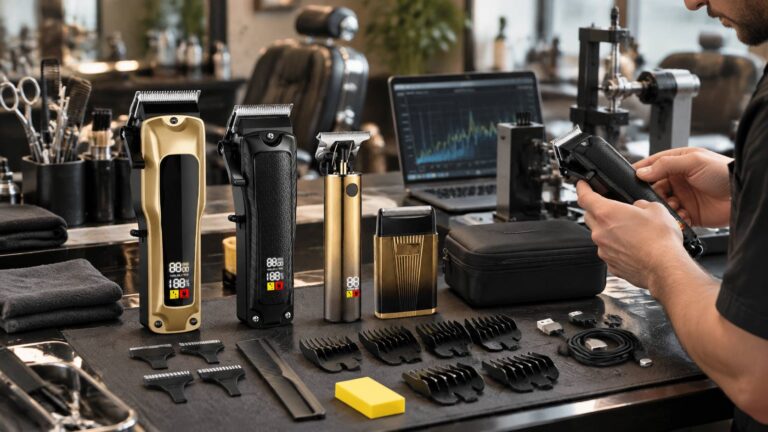


Housing material and surface finish affect how an electric shaver looks and feels before the customer ever evaluates shaving performance. For a private label buyer, those choices also influence color consistency, fingerprints, scratches, molding appearance, branding quality, and whether different batches still look like the same product. The sourcing decision therefore should not stop at “plastic” versus “metal” or “matte” versus “glossy.” A useful comparison looks at the complete housing, how the finish behaves on curves and joints, what happens when the product is handled or packed, and whether the appearance can be reproduced reliably in mass production. Keeping the evaluation this narrow makes it easier to choose a housing and finish that actually fit the intended retail position.
Housing material is often discussed as if it were simply a quality ranking. In practice, different materials create different design and sourcing trade-offs.
A molded plastic housing gives manufacturers considerable freedom with shape, color, texture, and integrated details. That can be useful when a brand wants several colors or a distinctive grip pattern without adding a separate decorative layer.
Metal or metal-body designs create a different visual and tactile impression. Buyers may consider them when the product is intended to look more substantial or more premium, but the decision still needs to be judged on the actual sample rather than the material name.
A housing may combine several materials.
One section can be molded plastic while another uses a decorative metallic component or a different finish. From the customer’s point of view, what matters is whether those parts look intentional together.
During sample review, pay attention to:
A material choice that looks attractive in a rendering may feel different in the hand once several components are assembled.
The key sourcing question is therefore not “Which material is more premium?” It is “Does this construction produce the appearance and hand feel required for this SKU?”
Surface finish changes the character of a shaver more quickly than many internal specifications do.
A matte surface often gives a restrained appearance and can make handling marks less obvious. A glossy surface can look clean and bright under retail lighting, but surface marks may be easier to see on some colors. Metallic-look finishes can support a more premium visual direction, although consistency becomes especially important when multiple decorative parts need to match.
There is no single correct finish for every private label range.
A product designed mainly for e-commerce is seen first through images. Reflections, highlights, and color rendering can make a glossy or metallic finish look different on screen than it does in person.
In physical retail, the situation changes. Customers may handle a display unit repeatedly, so fingerprints and small surface marks become more visible.
This creates a practical choice:
| Finish Direction | Useful Strength | Point to Check Carefully |
|---|---|---|
| Matte | Restrained look, fewer visible handling marks | Texture consistency |
| Glossy | Bright, polished appearance | Fingerprints and fine scratches |
| Metallic-look | Strong visual positioning | Color and coating uniformity |
| Two-tone | Helps separate design areas | Matching between components |
The table is only a starting point. Actual samples matter because the same finish description can look very different on different housing shapes and colors.
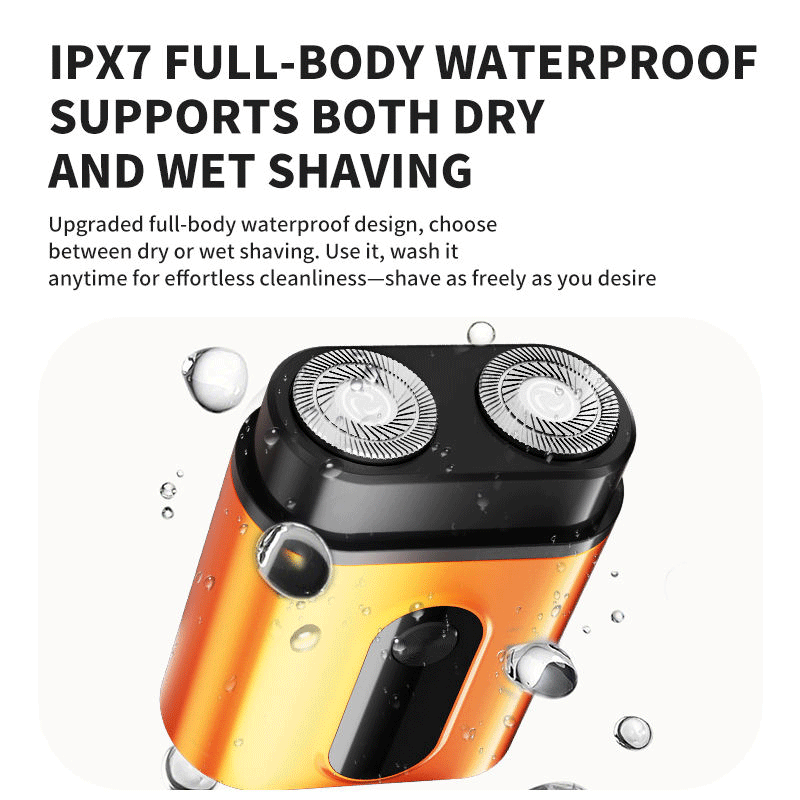
Surface evaluation works best when several samples are placed together.
One unit may look excellent on its own while differences become obvious when five units are lined up. Small changes in shade, gloss level, texture, or logo position can make a private label batch look less controlled than expected.
Natural and artificial lighting also reveal different things.
Curved shaver housings reflect light unevenly. A finish that looks uniform from the front may show marks around edges or transitions.
Look closely at:
Color consistency deserves particular attention when the brand uses a signature shade. “Black,” “silver,” or “gold” is usually too broad a description for repeat production if appearance is commercially important.
The approved sample becomes more useful when it remains available as the visual reference for production.
A logo may print cleanly on one texture and look less defined on another. A highly reflective surface may also change the way the logo appears in photographs.
That means housing finish and branding method should be approved together.
Changing the finish later without checking the logo can create a product that technically follows both specifications but does not look the way the buyer expected.

A shaver does not move directly from the production line into a customer’s hand. It is handled, packed, transported, unpacked, and sometimes repacked before sale.
That journey matters for surface finish.
A decorative coating may look perfect at final assembly but pick up marks if the product rubs against an accessory or a rough internal tray. Glossy areas can show fine scratches that were not visible during factory lighting. Two adjacent products can also damage each other if inner packaging does not keep them separated.
A useful packaging check is simple: pack the production-intent shaver with the actual accessories, close the retail box, and examine how each part is held.
The surface should not be resting against a cable plug, metal attachment, or another hard component that can move during transit.
Protective films can help in some designs, but they should not be used to hide a packing layout that allows repeated rubbing.
This is also where buyers need to distinguish between a material problem and a packaging problem. If a finish only becomes scratched because the accessory arrangement is poor, changing the coating may not be the right solution.
Once the visual direction is approved, the specification needs enough detail to keep later batches looking similar.
A verbal description such as “matte black plastic with silver trim” leaves considerable room for interpretation.
The production reference should connect the approved housing material with the finish, color, surface texture, branding method, decorative parts, and final assembled appearance.
For visual products, photographs can be useful, but they should support rather than replace the approved physical sample.
A supplier may propose a different resin, coating, decorative process, or color source later. The finished shaver may still be described using the same commercial name.
That does not mean the appearance will be identical.
Before a repeat order, the buyer needs to know whether any visible material or finish has changed. If it has, a comparison sample is usually more useful than approving the change from a written description.
The objective is not to prevent every production adjustment. It is to stop an unnoticed change from making two shipments of the same private label SKU look like different products.
SUOKE Electric provides electric personal care products for overseas retail, distribution, and OEM/ODM projects. Buyers developing an electric shaver line can compare different design directions through the company’s shaver range and discuss color, housing appearance, logo application, and packaging through its OEM/ODM customization process. The current range also includes shavers listed with metal-body construction, giving sourcing teams a concrete reference when comparing housing styles. Final sample appearance, private label details, and production requirements can be aligned before volume orders through the contact page.
Housing material and surface finish should be chosen as part of the product’s visual and commercial positioning, not as isolated specification labels. A useful comparison looks at material transitions, texture, gloss, color consistency, branding, handling marks, and what happens inside the final package. Several samples are more informative than one polished unit because they reveal whether the appearance can be repeated. Once the preferred version is approved, keeping a clear visual reference and reviewing material or finish changes before repeat production helps protect consistency across the private label range.
No. They create different design, appearance, and manufacturing options. The better choice depends on the intended product position, housing design, finish, branding method, and target cost.
Matte surfaces often make handling marks less noticeable than highly glossy surfaces, although the result depends on color, texture, and coating. Physical samples should be compared before approval.
Small differences in shade or gloss can be difficult to notice on one unit. Side-by-side comparison makes batch variation easier to see, especially on metallic-look or signature brand colors.
Yes. Cables, accessories, trays, or nearby hard parts can rub against the housing during transport. The final retail pack should be checked with the actual production-intent product and accessories.
Keep the approved housing material, color, texture or gloss level, decorative parts, branding method, and physical reference sample. Any visible material or finish change should be reviewed before the next batch.