
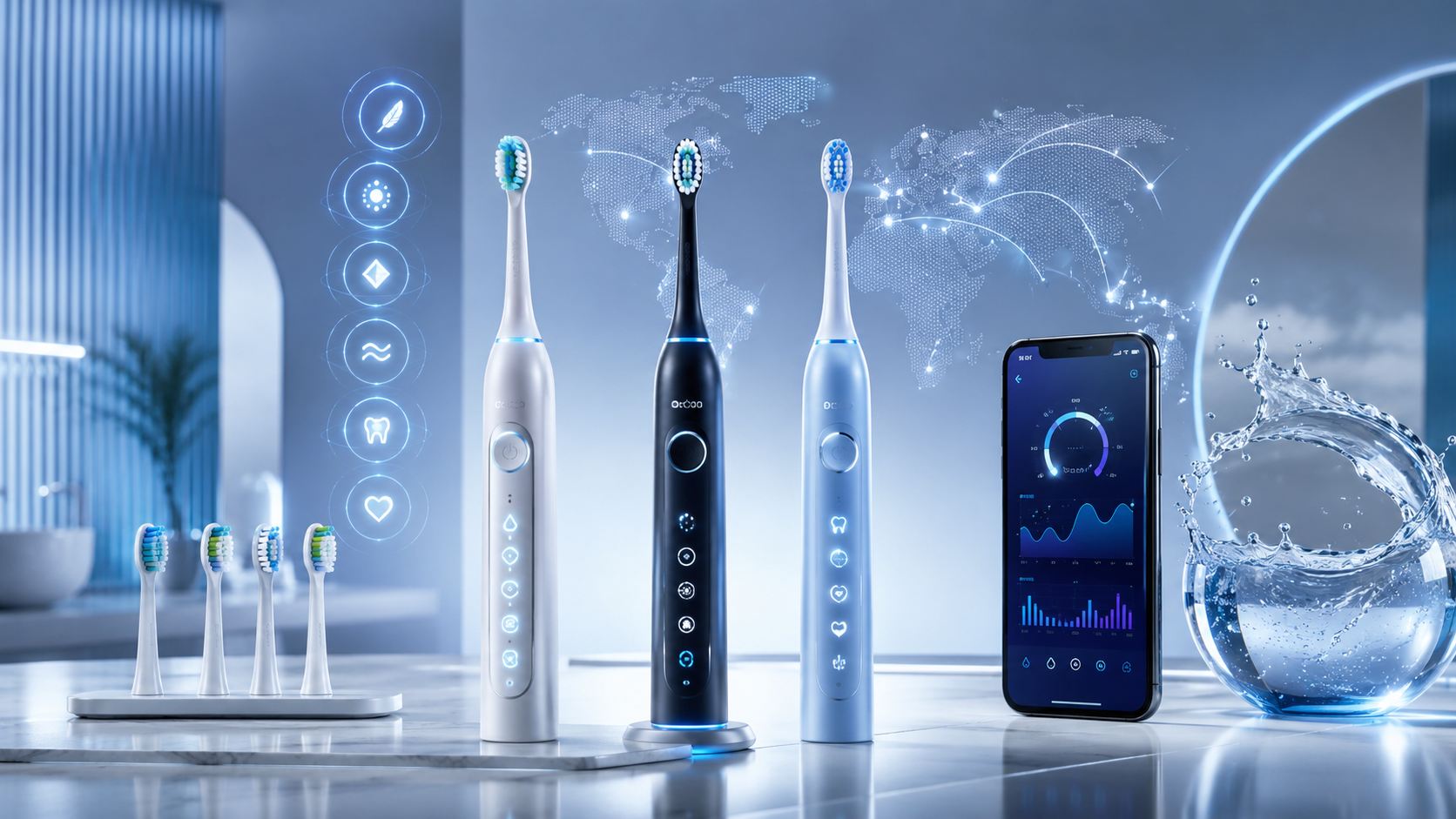
When brands prepare to launch an electric toothbrush product line, one of the most difficult decisions is not choosing whether to add more features, but deciding which features customers will actually value. A product with multiple cleaning modes, smart reminders, or advanced functions may look competitive, yet these additions also affect manufacturing cost, retail pricing, and market positioning. For oral care brands, importers, and distributors, the better approach is to evaluate each feature from a commercial perspective: Does it solve a customer problem? Does it support the target price range? And will it make the product easier to sell?
The companies often base their product planning process on the analysis of the competitors’ products. However, this approach may lead to serious mistakes if the brands copy other’s features.
The specific market demands may differ drastically between two regions and the companies should keep that in mind. For instance, the customers in one market would rather buy a product with additional smart functions and a wide variety of modes while the buyers in the other region are interested in a product’s reliability, battery capacity, and price.
Before confirming product specifications, purchasing teams usually need to define several points:
These factors determine whether a feature becomes a selling point or simply increases product complexity.
For companies planning a customized oral care product line, reviewing the experience and solutions provided by SUOKE Electric can help understand how different product configurations are developed for different markets.
A frequent misconception in the personal care product category is that more is always better.
When it comes to such products, customers make their choices based on how easy it is to understand what a certain set of functions stands for.
If one buys a toothbrush, they may think that a device with ten cleaning modes is better than a simpler version, but if they cannot grasp the differences between these modes in terms of their benefits, the more complex design will not be compelling enough to drive a purchase decision.
Instead, a wiser choice for a retail brand is to introduce a product line that offers a variation of functions at different levels: a toothbrush that performs basic cleaning, a slightly more expensive model that includes several additional cleaning options and a professional-level device that offers an extended set of functions.
Cleaning modes are among the most visible differences between electric toothbrush models. They are often used to separate products at different price levels.
Typical options include daily cleaning, sensitive care, whitening, gum care, and deep cleaning programs.
However, the value of these modes depends on how they match customer expectations.
For some customers, sensitive care is meaningful because they are looking for a more comfortable brushing experience. For others, whitening or polishing modes may be attractive because they connect directly with appearance-related benefits.
The important point for buyers is understanding the reason behind each function.
Before adding a cleaning mode, product teams should consider:
A function that customers understand quickly is usually easier to market.
Different markets require different product strategies.
For supermarkets and mass retail channels, simple operation can be an advantage. Customers often prefer products that can be used immediately without learning complicated settings.
For premium online channels, additional modes and upgraded experiences may help create differentiation.
This is why many brands choose to develop multiple models rather than placing every available feature into one product.
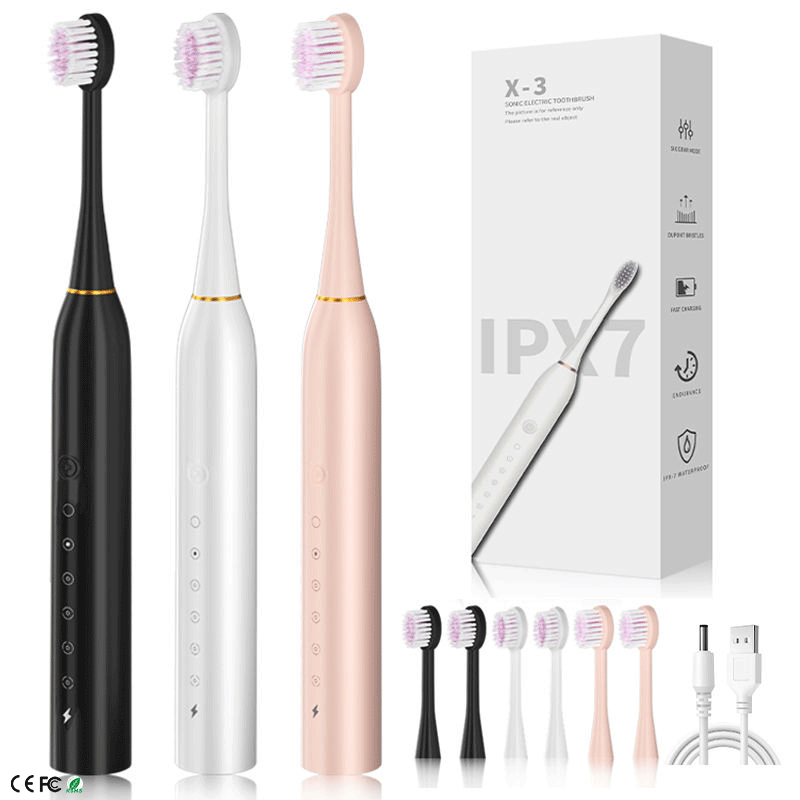
Smart technology has become increasingly common in personal care appliances. Features such as brushing timers, pressure sensors, battery indicators, and app connectivity can make products appear more advanced.
However, smart functions also introduce additional considerations.
Not necessarily.
A smart feature is valuable only when customers recognize its benefit.
For example, a pressure reminder may have a clear purpose because it helps users avoid excessive brushing force. A battery indicator can also improve daily convenience.
On the other hand, some advanced functions may sound impressive but have limited influence on actual buying decisions.
For distributors and retailers, the question should not be:
“Can this feature be added?”
The better question is:
“Will customers choose this product because of this feature?”
Additional functions affect more than the product itself.
They may influence:
A product with more electronic functions may require additional testing before shipment. It may also require clearer user instructions after reaching the market.
For businesses sourcing products internationally, these details can directly affect overall operating costs.
Feature selection is only one part of product evaluation. The actual user experience depends on the technical performance behind those features.
A toothbrush with attractive marketing points still needs reliable daily performance.
The motor affects vibration performance, cleaning experience, and operating comfort.
Different customer groups may have different preferences. Some users expect stronger cleaning power, while others prefer quieter operation and a smoother experience.
When evaluating an electric toothbrush, buyers should review:
Strong performance does not always mean maximum intensity. A balanced design is usually more suitable for a wider range of users.
Battery performance is another factor that influences customer reviews.
For travel-focused products, longer working time can become a strong selling point. For household users, stable charging and convenient operation may matter more.
Before confirming a product specification, buyers should review:
Companies looking for different electric toothbrush solutions can also compare available product options through the Electric Toothbrush product range to match specifications with their target market.
The same product configuration does not always work across all regions.
Consumer expectations can vary depending on income level, shopping habits, and sales channels.
Premium customers are often willing to pay more for:
In this segment, additional features can support stronger brand differentiation.
Mainstream customers usually pay more attention to practical benefits:
For these buyers, unnecessary functions may increase price without creating additional value.
A product sold through online marketplaces may need stronger feature explanations and comparison points.
Products entering physical retail channels may depend more on packaging, pricing, and immediate customer understanding.
Before selecting specifications, brands need to consider where and how the product will be sold.
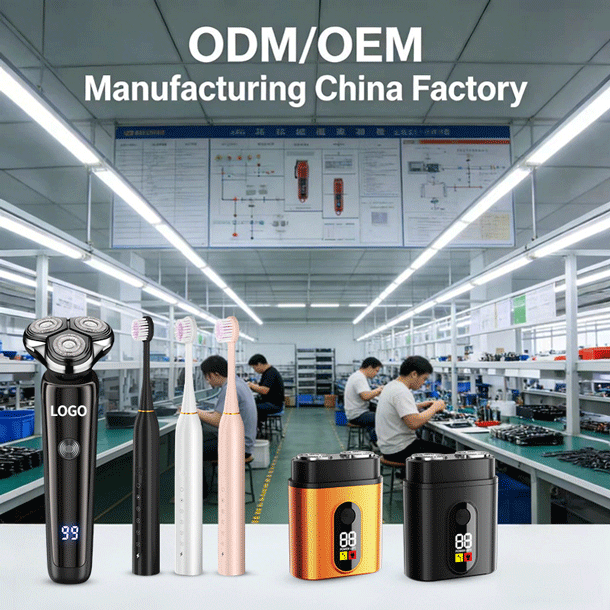
A successful oral care product range usually includes different levels of products rather than one model designed for everyone.
A practical portfolio may include:
This structure allows brands to serve multiple customer groups while maintaining clear product differences.
For companies expanding their oral care category, exploring related oral care products can also help create a broader product strategy instead of relying on a single SKU.
SUOKE Electric provides personal care electrical appliances, including electric toothbrushes and other grooming products. The company supports businesses requiring bulk purchasing, customization, and OEM/ODM cooperation. With experience in personal care appliance development, SUOKE Electric works with brands and distributors to create products designed for different market requirements. Businesses interested in understanding the company’s manufacturing background can learn more through the SUOKE Electric About Us page.
When it comes to functionality, choosing the right electric toothbrush features is a tricky endeavor. For the seller, the consideration is of utmost importance as it directly affects their bottom line. Therefore, for brands, importers, and distributors, the characteristics of the product are a crucial consideration, as they will need to maximize the potential of the electric toothbrushes they sell. The functions and tools offered must be considered in the context of their benefit and value to the customer, as well as the effect on the manufacturing process and the selling price. In this regard, creating an electric toothbrush with certain attributes deemed desirable by the consumer can maximize sales and offer a better value proposition.
No. Smart features should depend on the target market, product positioning, and customer willingness to pay for additional functions.
There is no fixed number. The right choice depends on whether customers can understand the benefits and whether the modes support the product’s price positioning.
Customers usually consider cleaning performance, battery life, comfort, price, and replacement accessories before advanced functions.
Brands should evaluate whether each feature creates clear customer value before adding it to the final product specification.
Yes. OEM/ODM manufacturers can help adjust product functions, appearance, packaging, and configurations based on market requirements.