
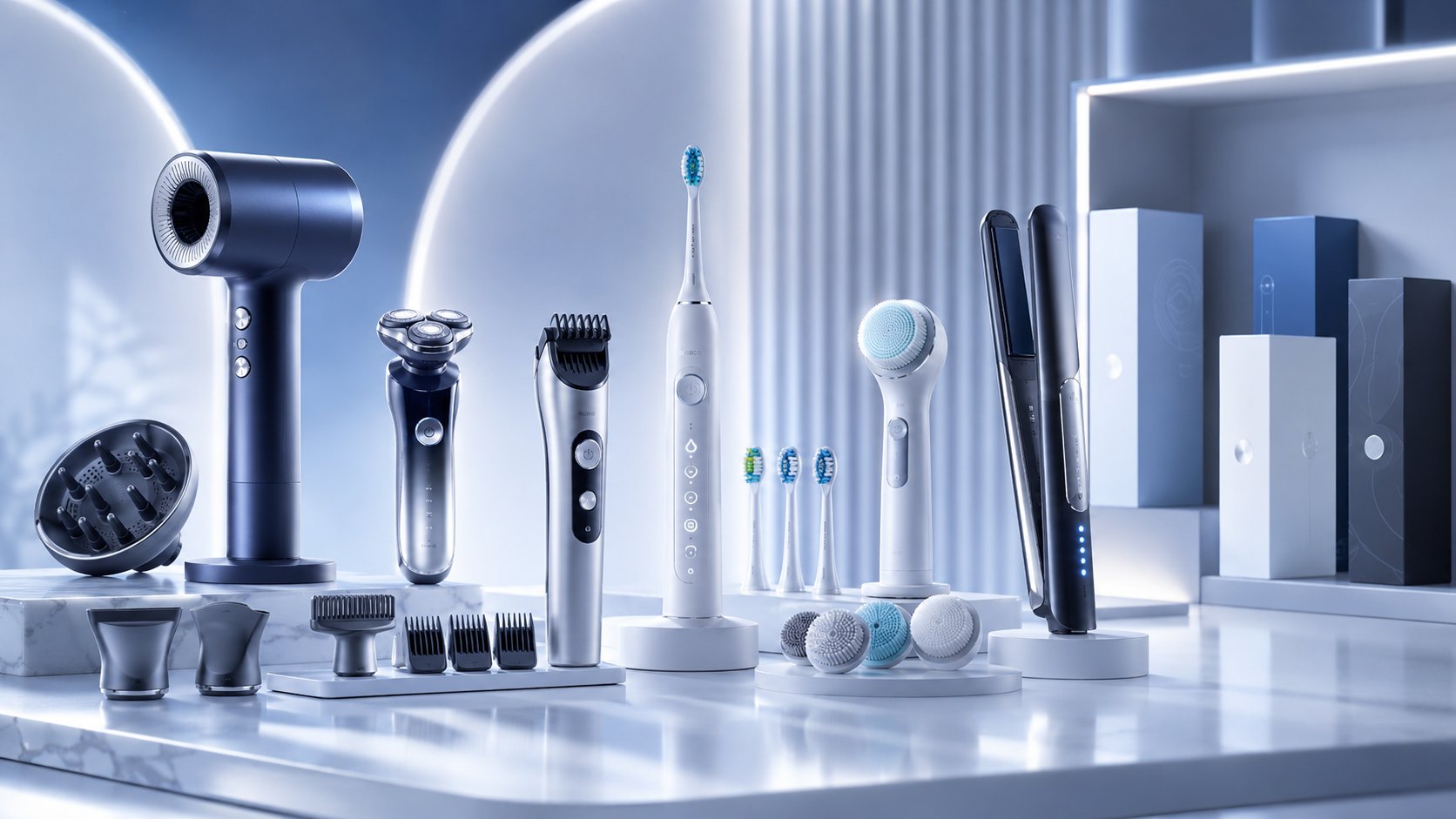
The issue of selecting personal care appliances for inclusion in the retail portfolio is complex. A clipper, shaver, toothbrush, or any other product category, have significantly different performance characteristics based on such variables as price, return risk, accessories, and channel availability. Therefore, the key question for the retail buyer is whether a particular SKU fits the customer, price range, and sales channel.
The easiest way to make a poor buying decision is to start with a supplier catalog instead of the customer.
A retailer already selling men’s grooming products may have a natural path into clippers, shavers, or grooming kits. Another retailer may see better results from oral care or travel-oriented products. Buyers can review the wider personal care appliance product range first, but every new SKU still needs a clear role.
A useful question is: what does this product add that the existing range does not?
A healthy assortment usually has obvious differences between products. One may be an entry-price model. Another may be aimed at professional users. A third may justify a higher price through stronger battery performance, accessories, or design.
Problems start when several SKUs have nearly the same function and price. They compete with each other instead of expanding the category.
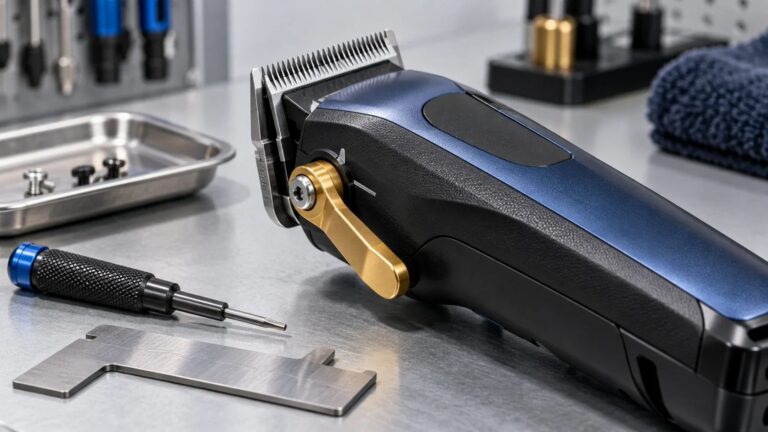
For example, a buyer considering the Hair Clipper category should decide whether the product is meant for home use, barber channels, gifting, or a value-focused retail shelf before finalizing the specification.
Product photos rarely reveal what causes complaints after launch.
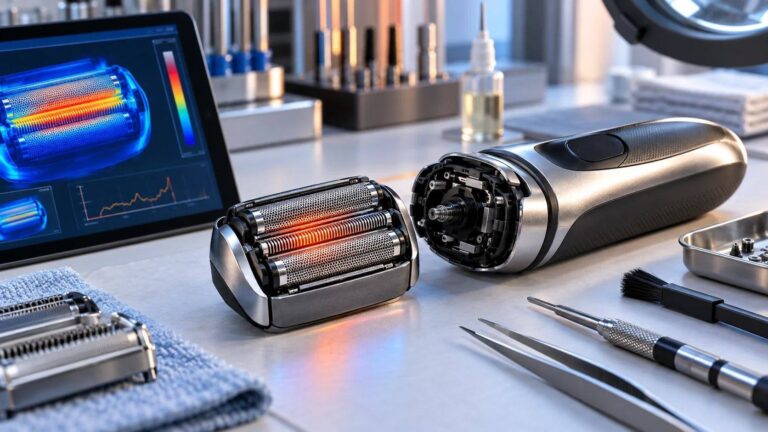
For rechargeable personal care appliances, buyers should look closely at battery behavior, charging method, motor stability, blade or cutting-system quality, waterproof design, and accessory availability.
Battery runtime is a good example. Two suppliers may quote similar operating times but use different test conditions. The same problem appears with charging time, motor speed, or noise claims.
Before ordering, ask how the figures were measured.
A short purchasing check can cover five points:
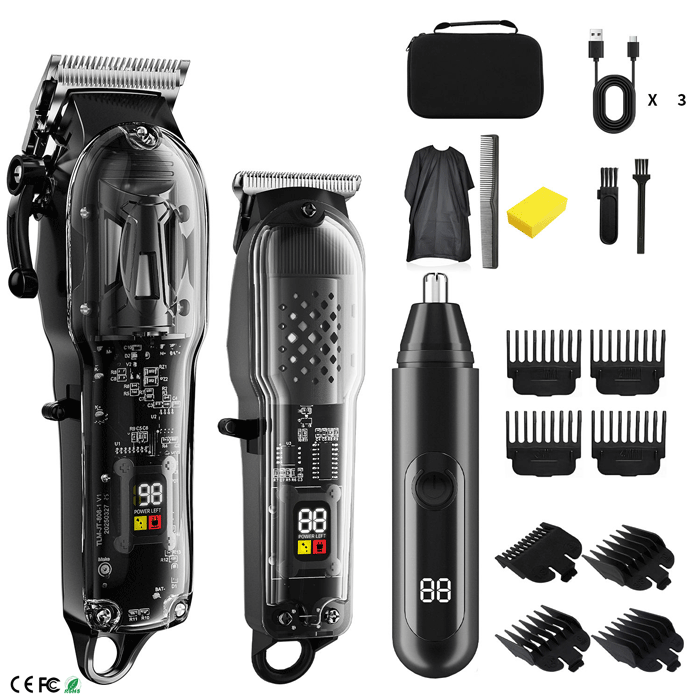
This is especially important for kits. A product such as the Portable Hairdressing Beard Trimmer Machine Stainless Steel Blade Hair Clipper with Electric Razor Barber Tool Kit should be evaluated as a complete set, not only by the main tool. A weak cable, poor accessory, or missing attachment can affect the value of the whole package.
A low factory quote does not guarantee a good retail margin.
The buyer still needs to account for freight, duty where applicable, packaging, channel fees, promotions, returns, and service costs. A product that looks cheap at factory level can become awkward to price once those costs are included.
A more realistic approach is to begin with the anticipated retail price and then move down from there.
If products are intended to be positioned against a competitor’s offering, it should be apparent why one might choose your product over the alternative. This could be due to factors such as increased battery life, a more extensive accessory bundle, higher-quality materials, additional accessories, or a more compelling value proposition.
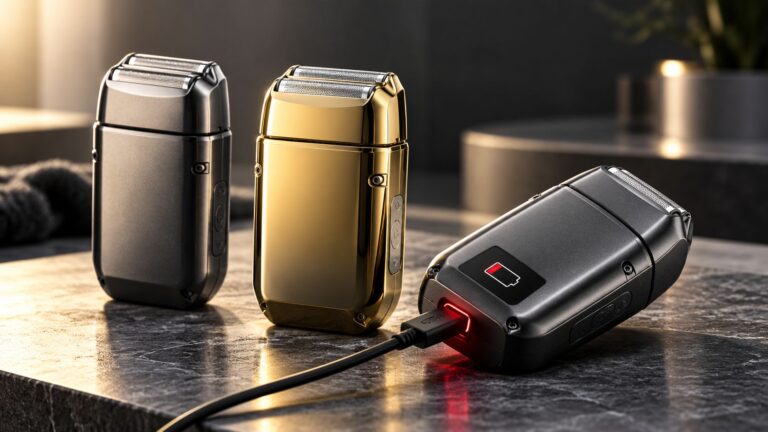
This matters in crowded categories such as electric shavers, where similar-looking products may sit at very different price levels.
Retail buyers should also look at return risk. A few dollars of extra margin can disappear quickly if battery problems, missing accessories, or inconsistent performance lead to repeated refunds.
Factories can offer many features, but more functions do not automatically make a better retail product.
The useful test is whether the customer notices and values the feature.
For online channels, features such as battery displays, waterproofing, compact travel size, or useful bundles can be easy to explain on a product page. In physical retail, one or two obvious benefits may work better than a long list of functions.
The same logic applies to oral care. A retailer reviewing an Electric Toothbrush should not select a model only because it has more cleaning modes. The better question is whether the target shopper understands those modes and is willing to pay for them.
Accessories also matter. Guide combs, travel cases, replacement heads, cleaning brushes, and charging cables may look secondary during sourcing, but they often shape how customers judge value after opening the package.
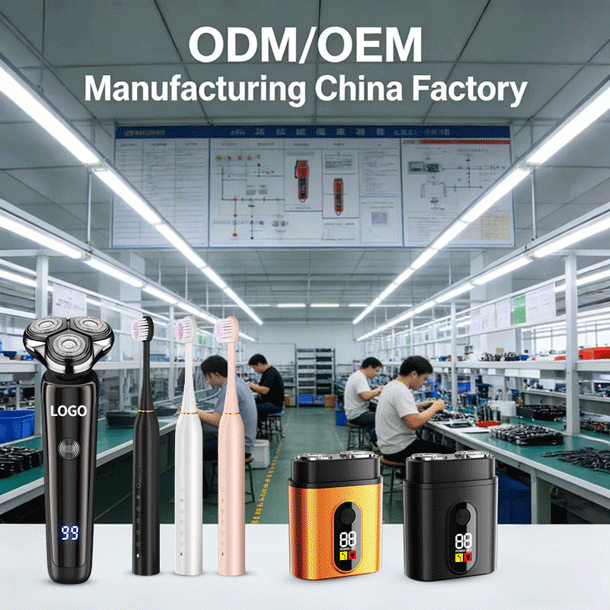
The last stage before ordering is where small misunderstandings become expensive.
The approved sample, product specification, accessories, packaging, labeling, quantity, lead time, and inspection expectations should all be clear before mass production starts.
If a sample changes during negotiation, record the final version.
Logo position, color, cable type, manual, accessories, packaging insert, and carton details should not depend on memory. Repeat orders become much easier when both sides work from the same confirmed reference.
Buyers should also ask what happens when volume increases. A factory that can prepare a few good samples still needs a system for maintaining the same standard across larger production runs.
Useful questions include: How are incoming components checked? What functional tests are performed? How are defects recorded? What happens if a repeat order uses a changed component?
These answers reveal more about production discipline than a catalog ever will.
SUOKE Electric supplies personal care electrical appliances across grooming, shaving, pet care, and oral care categories. For a retailer and a distributor, the possibility of cross-selling within similar categories is often helpful in terms of streamlining the development of products and discussing potential sourcing options with manufacturers.The next step would be to shortlist a few SKUs, request samples, evaluate them on equal terms and then decide on the assortment.
Retail buyers do not need the largest personal care appliance range. They need the right mix of products.
A good SKU has a clear customer, a clear price position, specifications that hold up during testing, and enough margin after the real cost of selling is considered. If the product also fits the existing assortment and can be produced consistently at scale, it has a much stronger case for launch.
A small group of clearly differentiated products is usually easier to evaluate than several nearly identical models.
Battery runtime, charging method, cutting or motor performance, accessories, and production consistency are usually worth checking first.
No. Retail margin also depends on freight, fees, promotions, returns, and after-sales costs.
Repeated testing can reveal differences in runtime, noise, charging, assembly, and performance that may not appear in a quick inspection.
The final sample, specifications, packaging, accessories, labeling, inspection method, and lead time should all be confirmed in writing.