
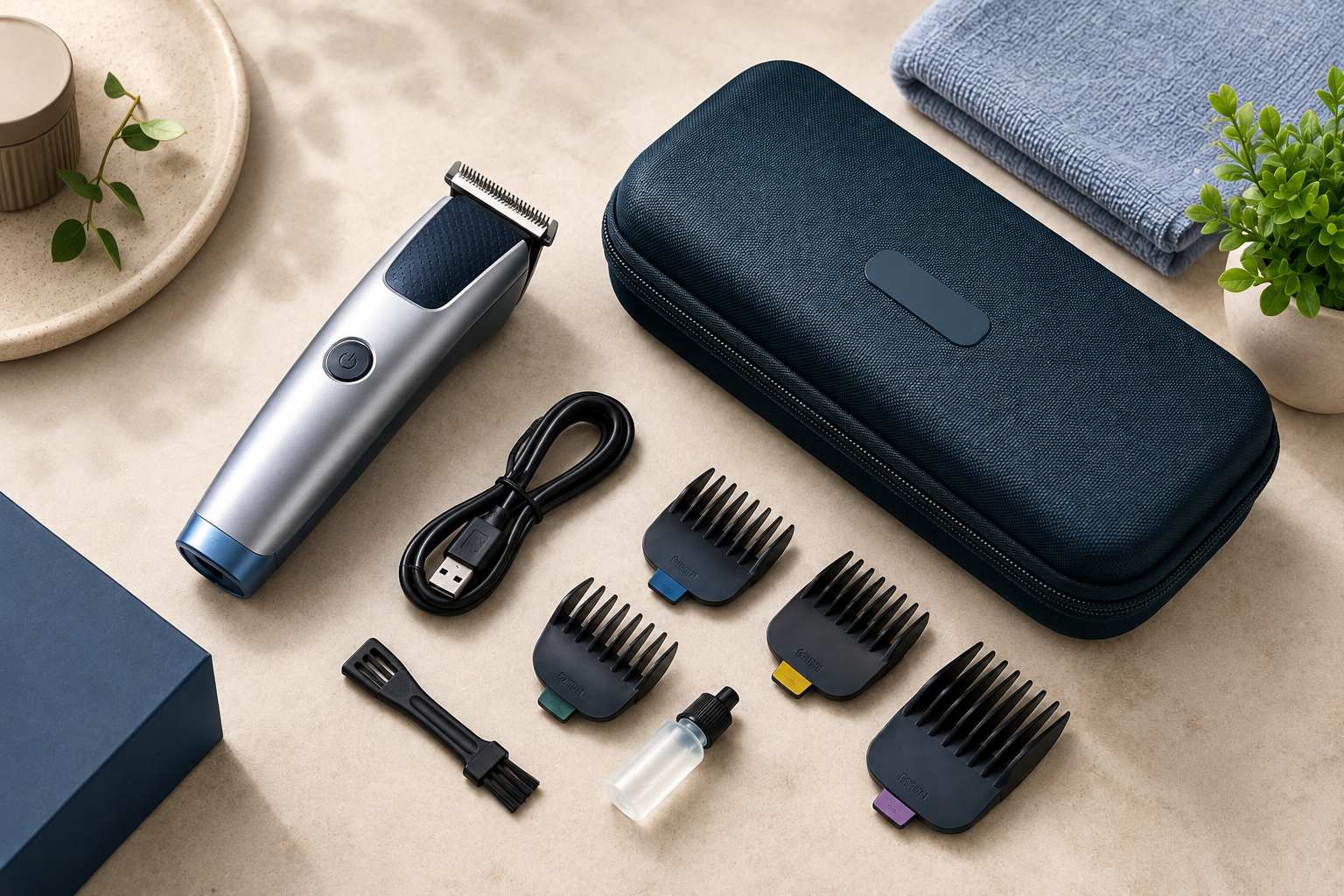
A grooming appliance can pass sample testing and still become expensive after launch. The problem is often not the motor or main housing.It is a missing guide comb, a broken charging cable, a torn blade, or an accessory, which will not be available to order in half a year. For distributors, retail chains, and private label brands, the planning of spare parts should be of concern even before the first bulk order. Those who clarify the availability of replacement parts, accessories, packaging content, and after-sales policy before make a purchase have much better chances of managing returns and reorders.
The answer depends on how the product wears during normal use.
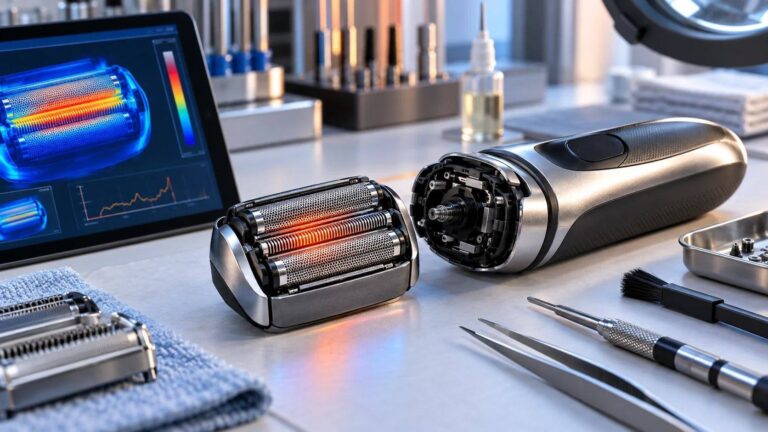
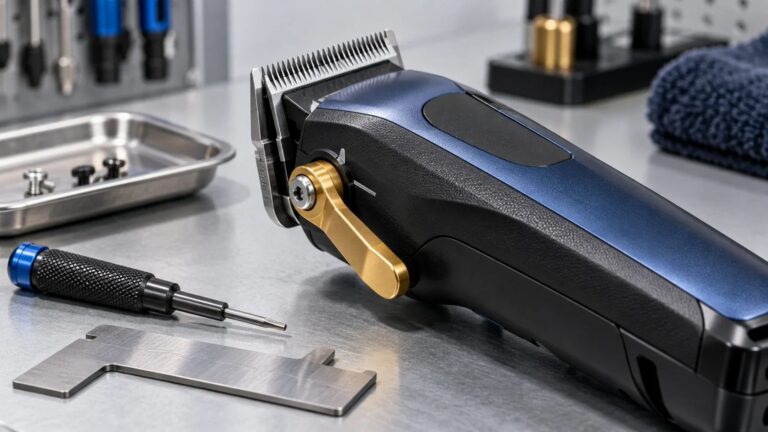
For clippers and trimmers, blades and guide combs are obvious service items. Shavers may need replacement foil assemblies or cutter heads. Rechargeable products can also create demand for charging cables or adapters.
A useful first step is to separate parts into three groups: components that wear naturally, accessories customers may lose, and parts required to keep the appliance usable.
A low-cost comb or cable may look unimportant during quotation discussions. Once thousands of units are in the market, it can become a customer-service issue.
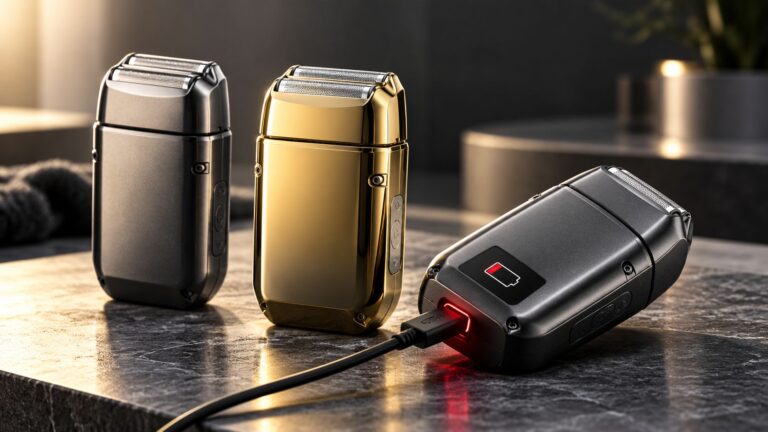
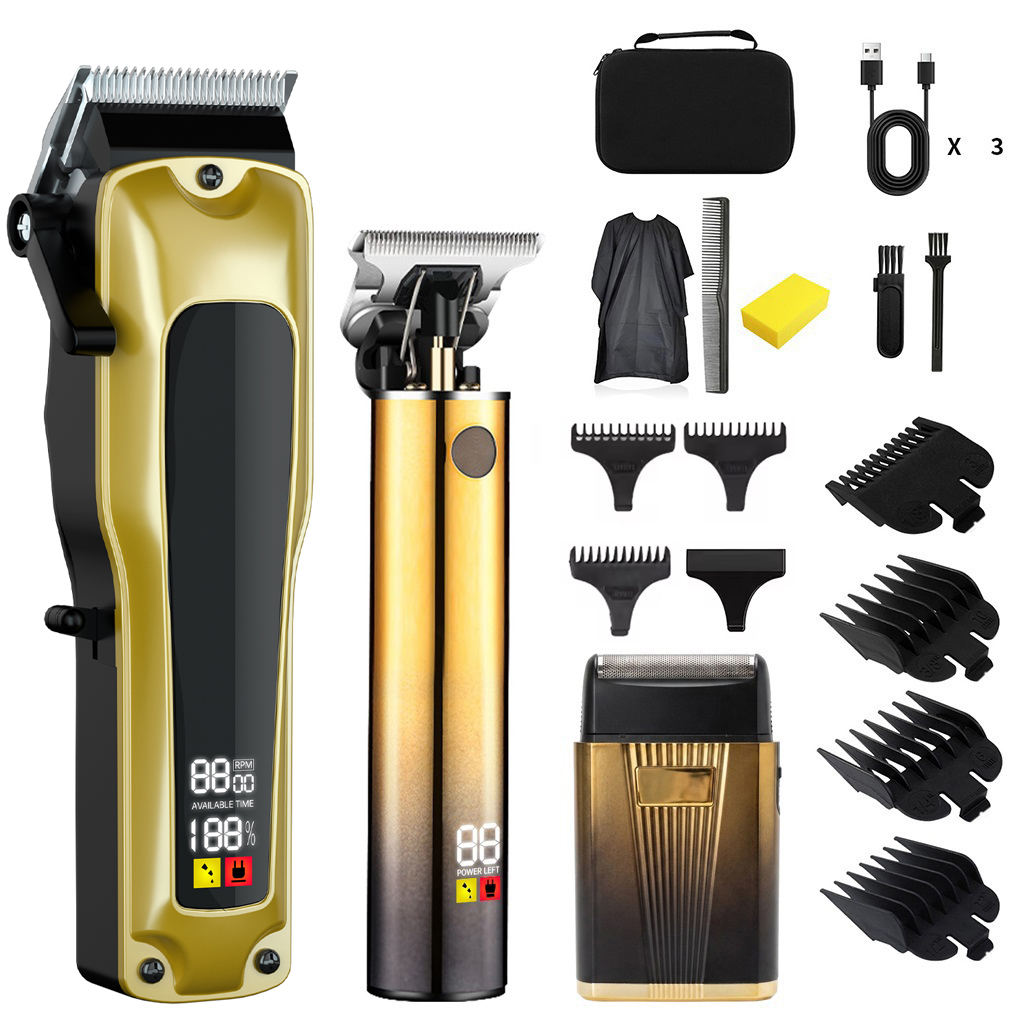
Consider a grooming set such as the 3pc Professional Custom Logo Face Shaving Tool Rechargeable Beard Trimmer Electric Hair Clipper Barber Kit Full Set with Case. The buyer is not purchasing one device. The case, shaver, clipper, charging components, and included accessories together form the retail product.
Before approving a similar set, ask which pieces can be reordered separately and whether their specifications are expected to remain available for future batches.
Customers rarely describe a return as a “supply-chain problem.” They simply report that an attachment broke, the correct cable is unavailable, or a replacement blade cannot be found.
For the retailer, the result can still be a refund.
This is why replacement planning matters particularly for products expected to remain on sale for more than one season.
A common issue appears when a manufacturer updates a housing, blade mount, charging port, or attachment design without considering earlier inventory.
The new version may work perfectly, but replacement parts no longer fit products already sold.
Before a repeat order, purchasing teams should ask whether any component has changed. If it has, confirm whether the old and new versions are compatible.
For businesses sourcing several grooming categories, the current product range gives a useful view of where accessory planning may differ between clippers, shavers, pet grooming tools, nose trimmers, hair dryers, and electric toothbrushes.
“Accessories included” is not detailed enough for a purchase order.
The final specification should identify what is packed with each unit and, where relevant, the material, size, connector type, quantity, or color.
For a cordless grooming product, a buyer may need to confirm the charging cable type, number of guide combs, cleaning brush, blade cover, storage case, lubricant, and user manual.
The sample becomes much more useful when both sides treat it as a production reference.
Photograph the complete set before approval. Record every included component. If packaging artwork shows six accessories, the production carton should contain those same six accessories.
This may sound basic, but small packing discrepancies are easy to miss during fast production.
Buyers can also review the factory’s service process to understand how production, quality inspection, packaging, transportation, and after-sales support are organized before confirming the order.
Do not wait until the first customer complaint.
Replacement policy should be discussed during sourcing, when the factory can still confirm tooling, component supply, and packaging options.
Useful questions are simple:
These questions are especially relevant for shaver products, where the cutting system and replacement head design can affect whether customers keep using the product after normal wear.
For some retailers, ordering a small spare-parts quantity with the first production run is practical.
The parts can support warranty handling or local after-sales service without requiring an urgent international shipment later.
The right quantity depends on the product, channel, expected sales volume, and service policy. There is no useful universal percentage. The better approach is to discuss likely wear items and failure points before deciding.
After-sales planning can influence product design before the brand launches.
If replacement blades will be sold separately, the packaging and product page need to identify the correct version. If the brand intends to keep the same model for several years, maintaining accessory compatibility becomes more important.
There is also a commercial opportunity.
Replacement brush heads, blades, foils, and similar consumable parts can create repeat purchases when the product is designed around an understandable replacement system. But that only works if supply remains stable.
For private label buyers, this means accessory strategy should sit alongside color, logo, packaging, and feature decisions—not be added at the end.
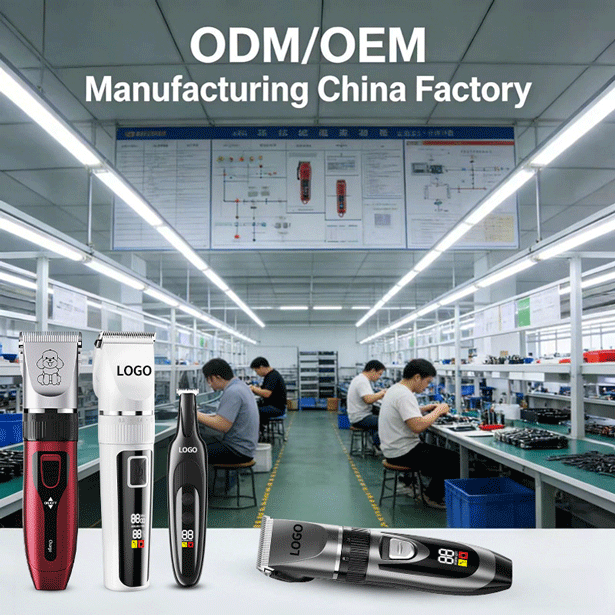
SUOKE Electric focuses on electric personal care and grooming products for international buyers. Its current range covers hair clippers, shavers, pet grooming products, nose hair trimmers, hair dryers, and electric toothbrushes. For OEM/ODM projects, buyers can discuss product configuration, branding, packaging, production requirements, and after-sales arrangements before moving into volume orders.A practical next step is to send the shortlisted model, target quantity, market, required accessories, and replacement-part expectations through the contact page. That gives both sides a clearer basis for quotation and sample confirmation.
Spare parts are easy to ignore when a new grooming appliance looks good and performs well in the sample room. They become much harder to ignore after the product reaches customers. Before ordering, retail buyers should know which accessories are included, which parts wear out, what can be reordered, and whether future batches will remain compatible. Those checks take little time compared with handling returns after launch.The best point to solve an accessory problem is before mass production starts.
Blades, foils, cutter heads, guide combs, charging cables, adapters, and frequently used attachments are good places to start.
It can be useful for products that may need local warranty or replacement support. The quantity should depend on sales volume and the product’s likely service needs.
If attachment mounts or charging systems change, spare parts from newer production may no longer fit products already sold.
Record the quantity, type, size, connector, material, color, and packaging position when those details affect compatibility or customer expectations.
Yes, where suitable parts are available and supply remains stable. Replacement items may also support repeat purchases and longer product use.